Learn about commercial asphalt paving options, planning, maintenance, and parking lot solutions for businesses in Houston and Spring, TX.
Commercial properties depend on safe and functional paved surfaces for daily operations. Parking areas, driveways, access roads, and walkways experience constant vehicle movement, weather exposure, and regular wear. Poor pavement conditions can affect safety, appearance, and how customers and employees interact with a property. Houston Asphalt and Concrete helps property owners understand the planning and maintenance involved with asphalt projects. Businesses researching commercial asphalt paving often want to learn about installation steps, material considerations, repair needs, and ways to maintain long-lasting pavement.
A successful asphalt project requires more than applying new material. Proper preparation, drainage planning, surface evaluation, and ongoing maintenance all influence the final performance of the pavement.
For businesses in Houston, TX and Spring, TX, understanding asphalt paving processes and maintenance practices can help them make informed decisions for commercial properties.
Why Commercial Asphalt Pavement Matters
Commercial pavement handles heavier use than many residential surfaces. Parking lots, business entrances, and access areas must support frequent vehicle traffic while maintaining a safe and organized environment.
A properly planned asphalt surface can help support:
Improved vehicle movement, safer walking areas, better property appearance, easier maintenance, and more efficient use of available space.
The condition of a parking lot or paved area also affects how visitors experience a commercial property.
Understanding Commercial Asphalt Paving
How Commercial Asphalt Paving Creates Durable Surfaces
Commercial asphalt paving in Houston, TX involves several stages that prepare, install, and finish asphalt surfaces for business properties.
The process typically begins with evaluating the site and understanding how the area will be used.
Site Evaluation and Planning
Before asphalt installation begins, the property should be reviewed to identify existing conditions.
Important factors include:
The current pavement condition, drainage patterns, soil stability, expected traffic levels, and the purpose of the paved area.
This evaluation helps determine the appropriate approach for the project.
Preparing the Surface
Preparation plays a major role in asphalt performance. The existing surface may require removal, grading, or repairs before new asphalt is placed.
Proper preparation helps create a stable foundation and reduces the likelihood of future pavement problems.
Base Installation
The base layer supports the asphalt surface above it. A properly prepared base helps distribute vehicle weight and improves pavement stability.
The strength of the foundation affects how well the finished surface handles daily use.
Asphalt Placement
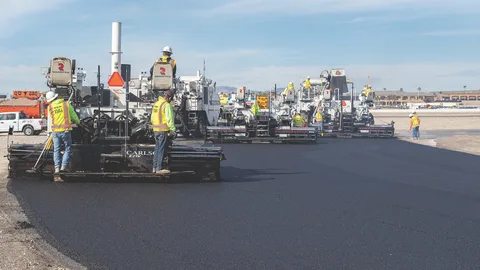
During installation, asphalt material is applied and compacted to create a smooth driving surface.
Proper compaction helps improve density, stability, and long-term performance.
Final Inspection and Finishing
After installation, the surface should be reviewed for proper grading, smoothness, drainage, and overall condition.
Finishing details may include striping, markings, and other features needed for commercial use.
Asphalt Paving Services for Business Properties
Asphalt paving services can support different commercial applications depending on the property’s needs.
Common commercial asphalt projects include:
Parking Lots
Parking areas require careful planning because they experience frequent vehicle movement. Proper layout, drainage, and markings help create a more organized space.
Business Driveways
Commercial driveways must support regular vehicle access while maintaining a smooth connection between the property and surrounding roads.
Private Roads and Access Areas
Industrial sites, apartment communities, and business properties may require internal roadways designed for regular traffic.
Repair and Resurfacing Projects
Existing asphalt may sometimes require repairs or resurfacing instead of complete replacement. The right solution depends on pavement condition and damage level.
Asphalt Parking Lot Paving Considerations
Asphalt parking lot paving in Spring, TX requires attention to traffic patterns, drainage, and layout design.
A well-planned parking lot should consider:
Vehicle flow, parking space arrangement, pedestrian movement, drainage areas, accessibility requirements, and future maintenance needs.
Poor planning can create problems such as water pooling, uneven surfaces, or inefficient traffic movement.
Comparing Asphalt Options
| Asphalt Solution | Best Use | Main Benefit |
| New Asphalt Installation | New commercial surfaces | Creates a fresh pavement system |
| Asphalt Resurfacing | Aging but stable pavement | Improves surface appearance and function |
| Asphalt Repairs | Localized damage | Addresses specific problem areas |
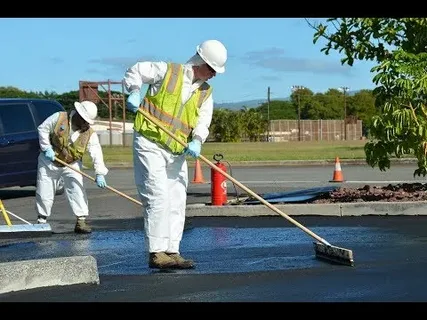
| Sealcoating | Surface protection | Helps protect against weather and wear |
The right option depends on pavement condition, budget considerations, and long-term property goals.
Common Commercial Asphalt Mistakes
Skipping Proper Drainage Planning
Water is one of the biggest causes of pavement damage. Poor drainage can weaken the asphalt structure over time.
Installing Asphalt Without Proper Preparation
A weak foundation can lead to cracking, sinking, and surface failures.
Ignoring Regular Maintenance
Small pavement issues can become larger repairs when maintenance is delayed.
Choosing Materials Without Considering Traffic
Commercial surfaces should match expected vehicle use and load requirements.
Delaying Crack Repairs
Small cracks allow moisture to enter the pavement structure, which may increase damage over time.
Best Practices for Asphalt Maintenance
Regular maintenance helps protect commercial pavement and extend its useful life.
Property owners should monitor pavement conditions, address cracks early, keep drainage areas clear, maintain proper markings, and schedule professional evaluations when signs of damage appear.
A consistent maintenance approach can reduce unexpected repair needs and keep surfaces safer.
Actionable Tips Before Starting an Asphalt Project
Before beginning a commercial asphalt project, property owners should:
Evaluate current pavement conditions, understand drainage requirements, consider future traffic needs, review the project timeline, and plan how the area will remain accessible during construction.
Clear planning helps reduce disruptions and supports better project results.
Factors That Affect Asphalt Performance
Several factors influence how asphalt performs over time:
- Traffic volume
- Weather conditions
- Drainage quality
- Installation methods
- Base preparation
- Maintenance schedule
- Pavement usage
- Material quality
Each commercial property has different conditions, so asphalt solutions should match the specific environment.
Conclusion
A durable pavement surface requires proper planning, quality installation, and ongoing maintenance. Commercial asphalt paving helps businesses create functional surfaces for parking areas, driveways, and access roads while supporting daily property use.
For businesses in Houston, TX and Spring, TX, understanding asphalt paving services and asphalt parking lot paving options can help with better pavement decisions. Houston Asphalt and Concrete helps property owners approach asphalt projects with practical attention to preparation, installation, maintenance, and long-term performance.
FAQ
What does commercial asphalt paving include?
Commercial asphalt paving can include site evaluation, preparation, base work, asphalt installation, compaction, finishing, and related pavement improvements for business properties.
How long does commercial asphalt pavement last?
The lifespan depends on traffic levels, installation quality, weather exposure, drainage, and regular maintenance practices.
When should a business consider asphalt repairs?
Businesses should consider repairs when they notice cracks, potholes, uneven areas, drainage problems, or surface deterioration.
What are asphalt paving services used for?
Asphalt paving services can be used for parking lots, driveways, private roads, access areas, repairs, and resurfacing projects.
How can businesses maintain an asphalt parking lot?
Regular inspections, crack repairs, drainage maintenance, sealcoating when appropriate, and timely repairs can help maintain an asphalt parking lot.