Learn how commercial asphalt paving supports durable surfaces, parking lots, and property access for businesses in Katy and Houston, TX.
Commercial properties depend on safe, functional paved surfaces for employees, customers, deliveries, and daily vehicle traffic. Parking areas, drive lanes, entrances, and access roads can develop cracks, potholes, drainage problems, and surface wear over time. Houston Asphalt and Concrete helps property owners understand how paving projects are planned and maintained. Commercial asphalt paving provides a practical way to create and maintain durable surfaces for businesses with different traffic and property requirements.
A successful asphalt project involves more than placing new material on the ground. Site conditions, drainage, traffic levels, base preparation, material selection, and maintenance all influence how the finished pavement performs.
For property owners and businesses in Katy, TX and Houston, TX, understanding paving options, preparation steps, and common mistakes can help them plan asphalt projects more effectively.
Why Commercial Asphalt Paving Matters
Commercial pavement handles frequent vehicle movement and often carries heavier loads than residential driveways. Without proper construction and maintenance, small surface problems can grow into larger repairs.
A well-planned asphalt surface can help provide:
- Reliable vehicle access
- Organized parking areas
- Improved property appearance
- Easier routine maintenance
- Better long-term pavement performance
The condition of the underlying base also matters. Surface asphalt cannot compensate for serious problems beneath the pavement.
Understanding Commercial Asphalt Paving
How Commercial Asphalt Paving in Katy, TX Supports Business Properties
Commercial asphalt paving in Katy, TX involves preparing the site, establishing a suitable base, placing asphalt, and creating a finished surface designed around the property’s use.
A typical paving project may include several stages.
Site Evaluation
Before paving begins, the property should be evaluated for existing conditions.
Important factors include:
- Current pavement condition
- Soil and base conditions
- Drainage patterns
- Vehicle traffic
- Property access
- Existing pavement damage
A detailed evaluation helps determine the appropriate scope of work.
Base Preparation
The base provides structural support beneath the asphalt. Poor preparation can contribute to cracking, settlement, and other pavement problems.
Preparation may include:
- Removing unsuitable material
- Grading the surface
- Addressing drainage concerns
- Compacting the base
- Establishing appropriate elevations
Proper preparation creates a more stable foundation for the asphalt surface.
Asphalt Placement
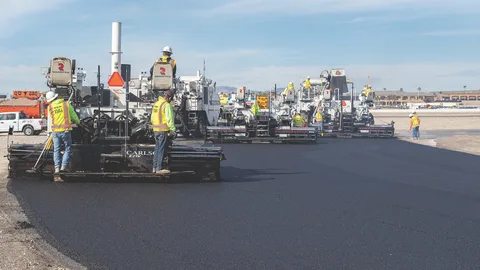
After the site and base are ready, asphalt is placed and compacted according to project requirements.
The work may involve:
- Delivering asphalt material
- Spreading the material evenly
- Establishing appropriate thickness
- Compacting the pavement
- Checking surface transitions
Consistent compaction helps create a more stable finished surface.
Asphalt Parking Lot Paving
Asphalt parking lot paving in Houston, TX requires planning around vehicle circulation, parking spaces, drainage, entrances, and pedestrian areas.
A commercial parking lot may need to accommodate:
- Passenger vehicles
- Delivery trucks
- Service vehicles
- Accessible parking spaces
- Loading areas
- Pedestrian movement
The layout should support safe and practical traffic flow while making efficient use of available property space.
Residential Asphalt Paving
Although commercial and residential projects differ in scale, residential asphalt paving in Houston, TX also depends on proper preparation and drainage.
Residential applications commonly include:
- Driveways
- Private access roads
- Small parking areas
- Home entrances
The expected traffic level and site conditions influence the appropriate paving approach.
Comparing Commercial and Residential Asphalt Paving
| Feature | Commercial Asphalt Paving | Residential Asphalt Paving |
| Traffic | Often higher and heavier | Usually lighter |
| Project Size | Frequently larger | Usually smaller |
| Design | Parking and traffic circulation | Driveway and access needs |
| Load Requirements | May include commercial vehicles | Primarily passenger vehicles |
| Planning | More detailed site coordination | More focused on property access |
Both applications require proper preparation, but the project requirements can differ considerably.
Common Asphalt Problems
Understanding common pavement problems helps property owners respond early.
Cracking
Cracks can develop from traffic, weather, aging, base movement, or moisture.
Potholes
Potholes often develop when water enters damaged pavement and weakens underlying materials.
Surface Settlement
Uneven areas may indicate problems beneath the asphalt or drainage issues.
Standing Water
Water that remains on the pavement can contribute to surface deterioration and may indicate drainage concerns.
Common Asphalt Paving Mistakes
Paving Over a Weak Base
New asphalt may not solve problems caused by unstable material underneath.
Ignoring Drainage
Poor drainage can shorten pavement life by allowing water to remain around or beneath the asphalt.
Choosing Thickness Without Considering Traffic
Pavement requirements should reflect how the property will actually be used.
Delaying Small Repairs
Minor cracks and surface damage can become more extensive when property owners postpone maintenance.
Best Practices for Asphalt Pavement Care
Property owners can help maintain pavement by:
- Inspecting surfaces regularly
- Addressing cracks early
- Keeping drainage paths clear
- Removing standing water when possible
- Managing heavy traffic areas
- Scheduling maintenance based on pavement condition
Routine observation can help identify problems before they require more extensive work.
Actionable Tips Before an Asphalt Project
Before beginning a paving project, property owners should:
- Identify the primary purpose of the paved area
- Review current pavement problems
- Consider expected vehicle traffic
- Evaluate drainage conditions
- Plan entrances and traffic flow
- Discuss future property changes
Planning around future needs can reduce the likelihood of major modifications later.
Factors That Affect Asphalt Performance
Several factors influence how long an asphalt surface performs well:
- Soil conditions
- Base preparation
- Drainage
- Asphalt thickness
- Traffic levels
- Weather exposure
- Maintenance practices
No single paving specification works for every property. Site conditions should guide the project.
Conclusion
Commercial pavement needs careful planning because business properties experience different traffic, drainage, and access demands. Commercial asphalt paving can provide durable surfaces for parking areas, drive lanes, entrances, and other commercial applications when contractors address the site and base conditions properly.
For businesses in Katy, TX and Houston, TX, understanding residential asphalt paving and asphalt parking lot paving options can help property owners plan appropriate improvements. Houston Asphalt and Concrete helps property owners approach paving projects with practical attention to preparation, surface performance, drainage, and long-term maintenance.
FAQ
What is commercial asphalt paving?
Commercial asphalt paving involves constructing or improving asphalt surfaces for business properties, including parking lots, drive lanes, entrances, and access areas.
How long does commercial asphalt paving take?
The timeline depends on project size, site conditions, preparation requirements, weather, and the type of paving work involved.
What is asphalt parking lot paving?
Asphalt parking lot paving involves preparing and surfacing an area designed for vehicle parking and circulation. The layout should account for traffic flow, drainage, and parking requirements.
Is residential asphalt paving different from commercial paving?
Yes. Residential asphalt paving generally serves lighter traffic and smaller areas, while commercial projects may require more extensive preparation and planning for heavier use.
How can I extend the life of an asphalt surface?
Regular inspections, prompt crack repair, proper drainage, and routine maintenance can help protect asphalt from premature deterioration.