Learn how asphalt paving services support durable driveways and parking areas in Houston and Spring, TX, with practical planning and maintenance tips.
A driveway or parking area has to handle daily traffic, changing weather, drainage, and regular wear. When the pavement begins to crack, settle, or lose its smooth surface, the problem can affect both appearance and usability. Houston Asphalt and Concrete helps property owners understand the planning and construction factors involved in pavement projects. Homeowners and property managers researching asphalt paving services in Houston, TX often want to understand material options, site preparation, installation methods, and long-term maintenance before starting a project.
Asphalt paving involves more than spreading material over an existing surface. The condition of the ground beneath the pavement, drainage, grading, traffic levels, and thickness all influence how the finished surface performs.
For property owners in Houston, TX and Spring, TX, understanding residential asphalt paving in Spring, TX and asphalt parking lot paving in Spring, TX can help with better project planning and more practical maintenance decisions.
Asphalt Paving Services in Houston, TX: What Matters Most
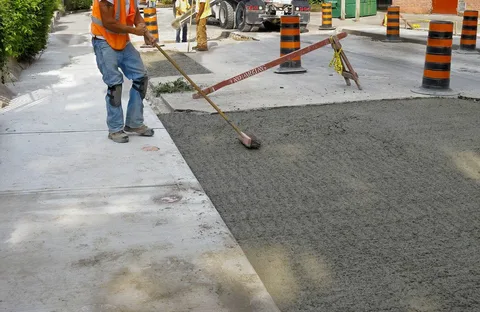
Asphalt paving services in Houston, TX should begin with an evaluation of the area that needs paving. The existing surface, soil conditions, drainage patterns, traffic requirements, and intended use all affect the appropriate paving approach.
A residential driveway may experience regular passenger vehicle traffic, while a commercial parking lot can handle much heavier and more frequent loads. These different demands can influence pavement thickness, base preparation, drainage planning, and maintenance requirements.
Site preparation also deserves close attention. A stable base helps support the asphalt and reduces the risk of premature movement or uneven areas. If weak soil or poor drainage remains underneath the pavement, surface repairs alone may not solve the underlying problem.
Residential Asphalt Paving
residential asphalt paving in Spring, TX can provide a practical surface for driveways, private roads, parking areas, and other home-access spaces. Homeowners should consider how many vehicles regularly use the area and whether larger vehicles will occasionally travel across it.
Drainage should also remain part of the design. Water that collects on or beside pavement can contribute to deterioration over time. Proper grading can help direct water away from the paved surface and nearby structures.
The edges of a driveway deserve attention as well. Unprotected edges can deteriorate when vehicles repeatedly drive over them or when surrounding soil shifts. A thoughtful layout can help the pavement maintain its shape and function.
Asphalt Parking Lot Paving
Asphalt parking lot paving in Spring, TX requires additional planning because commercial parking areas experience different traffic patterns. Vehicle entrances, exits, parking spaces, turning areas, pedestrian paths, and drainage all need to work together.
A parking lot should also account for future use. Property owners may need to consider delivery vehicles, service trucks, increased customer traffic, or changes to the building’s use.
Surface markings and traffic organization can also affect usability. Once the pavement has been completed, clearly defined parking and driving areas can help organize vehicle movement and make the property easier to navigate.
Comparing Asphalt and Other Paving Options
| Paving Type | Common Use | Main Consideration |
| Asphalt | Driveways and parking areas | Requires proper base preparation |
| Concrete | Driveways and commercial areas | Different installation and repair needs |
| Gravel | Rural access areas | Requires periodic grading |
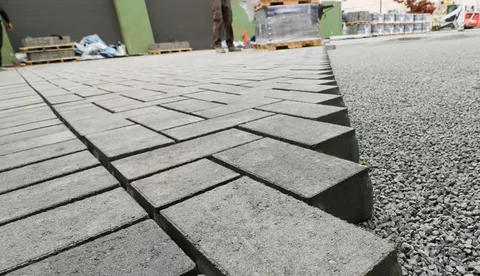
| Pavers | Decorative walkways and driveways | Individual units require joint maintenance |
The right material depends on traffic levels, property conditions, appearance preferences, drainage, maintenance expectations, and the intended use of the paved area.
Common Mistakes
One common mistake is paving over an unstable foundation. A smooth asphalt surface cannot compensate for weak soil, poor compaction, or drainage problems underneath it. Proper preparation should happen before the asphalt is placed.
Another mistake is ignoring water movement. Standing water can gradually affect pavement performance, especially when drainage problems remain unresolved.
Property owners may also underestimate traffic demands. A surface designed for occasional residential use may not provide the same performance requirements as an area that regularly handles commercial vehicles.
Delaying maintenance can create another problem. Small cracks and surface deterioration can become more extensive when water enters the pavement and reaches underlying materials.
Best Practices
Good pavement maintenance begins with regular observation. Property owners should look for cracks, potholes, uneven areas, edge deterioration, and places where water remains after rainfall.
Keeping drainage paths clear can also help protect the paved surface. Leaves, dirt, and other debris should not block areas designed to carry water away from the pavement.
Heavy loads should also match the intended use of the surface. Repeated exposure to vehicles beyond the pavement’s expected capacity can accelerate wear.
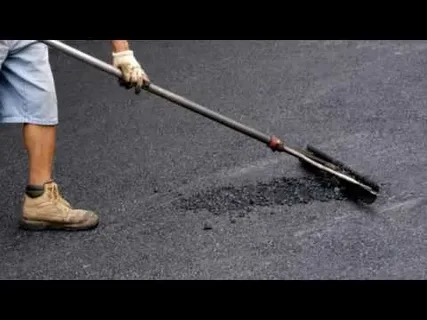
When repairs become necessary, addressing the underlying cause matters. Filling a crack without considering drainage or movement may only provide a temporary improvement.
Actionable Tips Before Paving
Before starting a paving project, identify how the area will be used every day. Consider passenger vehicles, commercial traffic, delivery vehicles, parking requirements, and pedestrian movement.
Inspect the surrounding property for drainage concerns. Look for areas where water currently collects, flows toward buildings, or erodes nearby soil.
It is also useful to determine whether the existing pavement requires repair or complete replacement. Widespread cracking, settlement, drainage problems, or structural deterioration may require more extensive work than isolated surface damage.
Property owners should also think about future needs. Planning for additional parking, heavier traffic, landscaping changes, or property expansion can influence the most practical paving design.
Factors That Affect Asphalt Performance
Several factors influence how asphalt performs over time. Base preparation, soil stability, drainage, asphalt thickness, traffic volume, weather exposure, installation quality, and maintenance all play a role.
Houston-area properties can also experience conditions that make drainage particularly important. Heavy rainfall can place additional demands on paved surfaces and surrounding drainage systems.
The age of the pavement matters as well. Even a properly installed surface eventually requires maintenance as normal traffic and weather exposure create gradual wear.
Conclusion
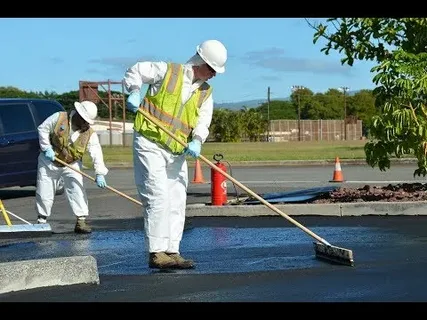
Well-planned asphalt paving services in Houston, TX can create practical surfaces for residential driveways, commercial parking areas, access roads, and other properties. Long-term performance depends on more than the asphalt itself. Proper site preparation, grading, drainage, material selection, installation, and maintenance all contribute to the finished result.
For property owners in Houston, TX and Spring, TX, understanding residential asphalt paving in Spring, TX and asphalt parking lot paving in Spring, TX can help create a more informed approach to pavement planning. Houston Asphalt and Concrete helps property owners consider site conditions, traffic requirements, surface performance, and ongoing maintenance when planning asphalt projects.
FAQ
What are asphalt paving services used for?
Asphalt paving services can be used for residential driveways, parking lots, private roads, access areas, and other surfaces that require a durable paved finish.
How long can an asphalt driveway last?
Service life depends on installation quality, drainage, traffic, weather exposure, maintenance, and the condition of the supporting base.
Is asphalt suitable for residential driveways?
Yes. Asphalt can be suitable for residential driveways when the surface receives proper preparation and matches the property’s traffic and drainage conditions.
What is involved in asphalt parking lot paving?
The process can include site evaluation, grading, base preparation, drainage planning, asphalt placement, compaction, and finishing according to the property’s requirements.
When should asphalt pavement be repaired?
Cracks, potholes, drainage problems, surface deterioration, and uneven areas should receive attention before they develop into more extensive pavement problems.