Choosing the right pavement involves more than deciding how the finished surface should look. Traffic volume, drainage, soil conditions, property use, maintenance expectations, and the condition of the existing surface all affect whether asphalt is appropriate. Houston Asphalt and Concrete provides professional asphalt paving services for driveways, parking areas, access roads, and other paved surfaces throughout Houston, TX. The best results begin with understanding the property, identifying existing site problems, and preparing the area correctly before any asphalt is placed.
New asphalt can be a practical choice when a property needs a durable paved surface, but replacement is not always necessary. Some areas may only need localized repair, resurfacing, or an overlay. Understanding the difference helps property owners make better decisions, avoid unnecessary work, and invest in the solution that best fits the condition of the pavement.
When Does New Asphalt Paving Make Sense?
New paving is generally worth considering when a property needs a completely new surface or when existing pavement has deteriorated beyond practical repair. An unpaved driveway, gravel parking area, access lane, or newly developed property may benefit from asphalt when the underlying ground can be properly graded, compacted, and prepared.
Existing pavement may also require replacement when widespread cracking, repeated potholes, severe settlement, or base failure affects a large portion of the surface. The decision should not depend on appearance alone because surface damage can sometimes be only a symptom of deeper issues. A contractor should look at the condition of the base, drainage, slope, and structural stability before recommending full replacement.
New paving may be appropriate when:
- A new property needs a driveway or parking area.
- A gravel surface needs a more permanent finish.
- Extensive deterioration makes repeated repairs impractical.
- Drainage or elevation problems require reconstruction.
- A commercial property needs pavement designed for regular traffic.
- Large sections of existing pavement show structural failure.
Minor isolated damage does not always justify complete replacement. If the pavement base remains stable, repairs or overlays may provide a more practical solution.
Site Preparation and Drainage Are Critical
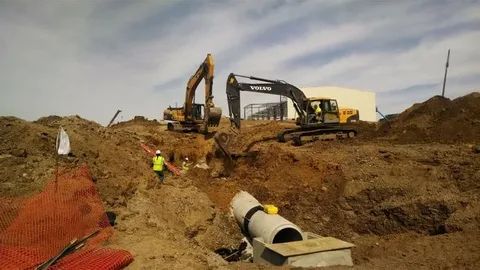
The visible asphalt layer is only one part of a successful pavement system. The material underneath the asphalt has a major effect on how the surface performs over time. Before paving begins, contractors may need to remove unsuitable material, establish the correct elevation, install or improve the aggregate base, and compact the area to create a stable foundation.
This is where experienced grading contractors become important. Proper grading helps establish slopes that support drainage and reduce low areas where water can collect. Weak subgrade, poor compaction, or inadequate slope can contribute to settlement, depressions, cracking, and premature pavement failure even when the asphalt itself is installed correctly.
Drainage should also be planned before paving rather than treated as an afterthought. Houston properties can experience substantial rainfall, so contractors should evaluate how water will move across the site, where runoff will drain, and whether the new pavement could direct water toward buildings or neighboring areas. A well-prepared surface should support both pavement stability and proper water movement.
Residential and Commercial Paving Require Different Planning
Not every paved surface experiences the same type of use, which means the paving approach should reflect how the property will function. Residential asphalt paving often involves driveways, private access areas, and smaller parking spaces where vehicle weight, drainage, garage transitions, and property layout influence the design.
Commercial asphalt paving services in Houston, TX may involve parking lots, business entrances, loading areas, service lanes, or other surfaces that experience more frequent vehicle movement. Commercial sites often require additional planning around traffic flow, delivery access, pedestrian movement, drainage, and future striping. The thickness of the pavement system and the amount of base preparation may also vary depending on expected use.
The correct solution should therefore be based on traffic demands and site conditions rather than applying the same construction method to every property.
Asphalt Parking Lots and Access Areas
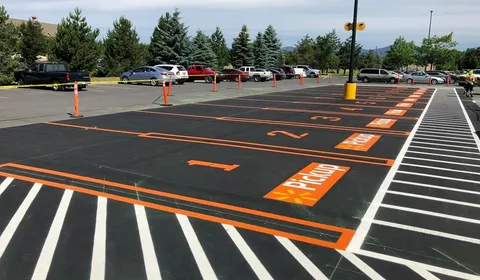
Asphalt is commonly used for parking areas because it can provide a smooth, continuous driving surface when the site is properly prepared. For asphalt parking lot paving in Katy, TX, contractors should evaluate entrances, exits, traffic circulation, drainage paths, pavement transitions, and expected vehicle use before installation begins.
The parking layout itself should also be considered early in the process. Once paving is complete, commercial properties may require striping for parking stalls, accessible spaces, directional arrows, fire lanes, loading areas, and pedestrian crossings. Treating paving as part of a larger site plan can help create a more organized and functional finished property.
Access roads and private lanes require similar planning. Property owners should consider turning areas, slope changes, drainage, shoulder conditions, and how the new pavement will connect with existing roads or structures.
Asphalt Paving in Houston, TX and Katy, TX
Houston presents several practical considerations for asphalt projects. Heat, strong sunlight, rainfall, traffic, drainage, and soil conditions can all influence how pavement performs. Older surfaces that repeatedly settle or crack in the same areas may indicate underlying problems that should be corrected before new asphalt is installed.
A site-specific evaluation helps determine whether the property needs complete reconstruction, localized repair, grading, or resurfacing. Houston Asphalt and Concrete evaluates pavement conditions before recommending a scope of work so property owners can better understand why a particular solution may be appropriate.
Similar principles apply to properties in Katy, TX. Residential driveways, commercial parking areas, private roads, and access lanes should be evaluated for base stability, drainage, traffic requirements, and existing surface conditions. Even nearby properties can have different grading, drainage, and soil conditions, so the paving method should be based on the actual site rather than location alone.
New Paving, Repair, or Asphalt Overlay?
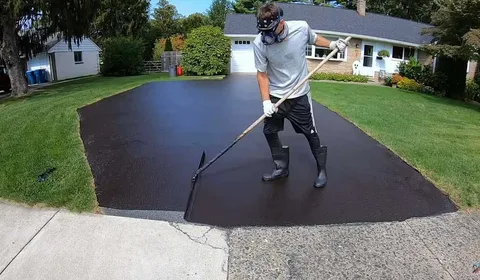
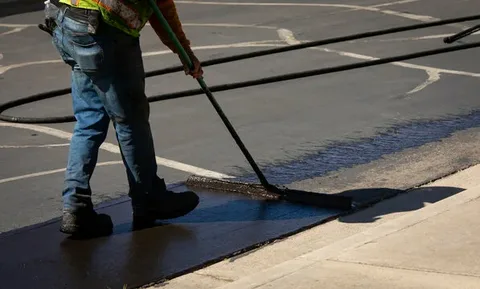
Complete paving is not always the most economical or technically appropriate option. When damage is limited to isolated potholes, cracks, edges, or small failed sections, pavement repair may address the immediate problem without replacing the entire surface. This approach is often suitable when most of the surrounding pavement remains stable.
An asphalt overlay can provide another option between localized repair and complete reconstruction. An overlay adds a new asphalt layer over suitable existing pavement and may restore a smoother surface when the underlying structure remains sound. However, severe settlement, widespread base failure, or major structural damage should be corrected before an overlay is considered.
The main question is whether the problem is primarily at the surface or deeper in the pavement system. Repeated repairs in the same area, widespread cracking, major depressions, or recurring drainage problems can indicate that the base or subgrade requires attention.
What Happens During an Asphalt Paving Project?
A properly planned paving project typically begins with a site evaluation and a clear scope of work. Existing pavement, vegetation, or unsuitable materials may need to be removed before the site is graded and prepared. The base is then shaped and compacted to provide a stable surface for asphalt placement.
Once the foundation is ready, asphalt is installed at a thickness appropriate for the intended use and compacted to create a dense, uniform surface. Contractors should also pay attention to edges, drainage areas, transitions, and connections with existing pavement. Commercial projects may require parking lot striping or other pavement markings after the asphalt has been completed.
Skipping preparation to reach the paving stage faster can lead to future problems. Strong pavement performance depends on proper site preparation, base stability, drainage, installation, and compaction working together.
Questions to Ask Before Hiring a Paving Contractor
Property owners do not need to understand every technical detail, but they should expect a contractor to explain the work clearly. A professional contractor should be able to describe the condition of the existing pavement, identify site concerns, and explain why the recommended solution fits the property.
Useful questions include:
- What condition is the existing pavement base in?
- Will any existing material need to be removed?
- How will drainage and low areas be handled?
- What grading or base preparation is required?
- How will the new asphalt connect with existing surfaces?
- How long should the pavement remain unused after installation?
- What maintenance should be expected later?
Reliable road paving contractors should be able to explain the reasoning behind the project scope instead of recommending a solution without discussing the site conditions.
Maintaining New Asphalt After Installation
New pavement still requires routine observation and maintenance. Property owners should keep the surface clean, monitor drainage, and address cracks or damaged areas before they expand. Standing water, depressions, edge deterioration, or recurring cracks may indicate problems that need professional evaluation.
Seal coating may later become part of a preventive maintenance plan when the pavement reaches an appropriate age and condition. It can help protect the surface from environmental exposure, but it should not be used as a substitute for structural repair.
Regular inspections can help identify small issues before they become larger problems. Maintenance decisions should always be based on the condition of the pavement rather than following a fixed schedule without considering how the surface is performing.
Conclusion
The decision to install new asphalt should be based on the condition of the entire pavement system, not appearance alone. Drainage, base stability, traffic demands, grading, existing damage, and property use all influence whether full paving, repair, or an overlay is the better option.
For property owners considering asphalt paving services in Houston, TX or planning pavement work in Katy, TX, a site-specific assessment is the best starting point. Houston Asphalt and Concrete can evaluate existing conditions and help determine which paving approach is appropriate for the property. Proper preparation and a carefully planned scope of work can support stronger, longer-lasting pavement performance.
FAQ’s
How do I know if I need new asphalt or just repairs?
Localized cracks, potholes, or edge damage may only require repair. Widespread cracking, major settlement, repeated failures, or unstable base conditions may indicate that new paving or reconstruction is more appropriate.
Why is grading important before asphalt paving?
Grading helps establish proper elevations, surface slopes, and drainage. Without correct grading, water may collect on the pavement or unstable areas may develop beneath the surface.
Can asphalt be installed over existing pavement?
Yes, in some cases. If the existing pavement is structurally stable, an overlay may be possible. Severe base failure or settlement should be corrected before new asphalt is placed.
Is asphalt suitable for both residential and commercial properties?
Yes. Asphalt can be used for residential driveways, private roads, commercial parking lots, access lanes, and other surfaces. The design and preparation should reflect the expected traffic and property use.
How should new asphalt be maintained?
Property owners should keep the surface clean, monitor drainage, repair developing cracks, and address damaged areas early. Seal coating may also become part of a maintenance plan when the pavement is in suitable condition.
What should I look for in an asphalt paving contractor?
Look for a contractor who evaluates the site, discusses drainage and base conditions, explains the proposed preparation, and clearly outlines why the recommended paving method fits the property.