Asphalt driveways face constant exposure to sunlight, rain, vehicle traffic, oil, dirt, and changing surface temperatures. Over time, these conditions can leave pavement looking faded, dry, and weathered. Houston Asphalt and Concrete helps property owners evaluate whether driveway seal coating is appropriate based on the current condition of the asphalt rather than treating it as a solution for every type of pavement damage.
For homeowners in Katy, TX, preventive surface care can help protect asphalt that remains structurally sound. Seal coating creates a protective surface layer that can limit environmental exposure and refresh the appearance of aging pavement. However, proper timing, preparation, existing damage, drainage, and previous repairs all affect whether the treatment is likely to perform as intended.
What Seal Coating Actually Does for an Asphalt Driveway
Seal coating places a protective layer over properly prepared asphalt. Its main purpose is to reduce direct exposure to sunlight, moisture, oxidation, and everyday surface wear while restoring a darker, more uniform finish.
It does not rebuild the pavement structure underneath. If the driveway has severe settlement, deep potholes, widespread structural cracking, or unstable base conditions, applying a coating over those problems will not correct them. Those areas should be evaluated and repaired before preventive surface treatment is considered.
When used on suitable pavement, driveway seal coating becomes part of an overall maintenance strategy rather than a substitute for repair or reconstruction.
Sunlight and Oxidation Gradually Age Asphalt
Fresh asphalt contains binding materials that help hold the pavement together. Exposure to sunlight and oxygen gradually changes those materials, which can leave the surface looking lighter, drier, and more brittle over time.
This aging process does not automatically mean a driveway needs replacement. If the pavement remains stable and major structural damage is absent, asphalt seal coating can provide an additional barrier between the asphalt surface and continued environmental exposure.
Property owners should still monitor the driveway after treatment. Seal coating can slow certain forms of surface deterioration, but it cannot stop every type of pavement aging or prevent damage caused by unstable ground.
Moisture Can Enter Through Cracks and Weak Areas
Water is another important consideration in asphalt maintenance. Rainfall can enter cracks, failed edges, potholes, and other openings in the pavement. Once moisture reaches deeper layers, it can contribute to weakening around already damaged sections.
A surface coating can help reduce moisture exposure across intact asphalt, but existing cracks and failures should be addressed first. Applying material directly over active structural damage may hide the problem temporarily without preventing continued movement underneath.
For asphalt seal coating in Katy, TX, contractors should review drainage patterns, cracking, low areas, and surface condition before determining whether the driveway is ready for treatment.
Surface Preparation Has a Major Effect on Results
A clean, stable surface is important before any coating is applied. Dirt, loose material, vegetation, oil contamination, and damaged asphalt can interfere with adhesion and prevent consistent coverage.
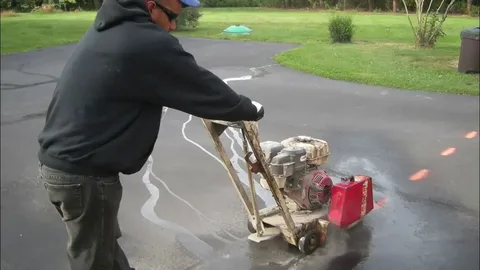
Preparation may include cleaning the pavement thoroughly, removing loose debris, treating appropriate cracks, and repairing failed sections. Edges and adjoining surfaces should also be considered so the coating can be applied cleanly without creating messy transitions.
Professional seal coating services should begin with pavement evaluation and preparation rather than moving directly to application. The finished appearance depends heavily on what happens before the coating reaches the asphalt.
Seal Coating Cannot Replace Structural Repairs
One of the most common misunderstandings about seal coating is that it can fix badly damaged pavement. It cannot restore structural support beneath a driveway or permanently correct deep failures.
Warning signs that may require repair first include:
- Deep or recurring potholes
- Large settled areas
- Extensive alligator cracking
- Broken pavement edges
- Significant rutting or depressions
- Areas that repeatedly hold water
- Cracks showing ongoing movement
- Soft or unstable pavement sections
When these conditions are present, pavement repair services may be necessary before surface protection is considered. Repairing failed areas first gives the remaining pavement a more suitable condition for maintenance.
Proper Timing Matters
Applying driveway seal coating too early, too often, or to pavement in poor condition may not provide the desired result. The treatment should be based on actual surface condition rather than a rigid schedule.
A contractor should consider pavement age, oxidation, previous treatments, crack development, traffic, drainage, and environmental exposure. A driveway that still has a healthy surface may not need immediate treatment, while older pavement showing visible oxidation may benefit from evaluation.
The objective is preventive maintenance at an appropriate stage—not repeatedly adding material simply because a certain amount of time has passed.
Vehicle Traffic Creates Different Wear Patterns
Driveways do not wear evenly. Areas where vehicles turn, brake, park, or repeatedly follow the same path may experience greater stress than lightly used sections.
Heavy vehicles can also place different demands on the pavement. Delivery trucks, work vehicles, trailers, or recreational vehicles may contribute to concentrated loading, especially when the underlying pavement or base was not designed for those demands.
Seal coating can protect the surface from environmental wear, but it does not increase the structural capacity of the driveway. If traffic-related movement is causing cracking or settlement, the underlying condition should be evaluated separately.
Oil and Automotive Fluids Can Affect Asphalt
Driveways commonly experience small leaks from vehicles. Oil, fuel, and other automotive fluids can stain the surface and may affect asphalt depending on the substance, amount, and length of exposure.
Cleaning contaminated areas is therefore important before coating. Applying a protective product over an oily or poorly prepared surface can interfere with adhesion and create inconsistent results.
Property owners should address active vehicle leaks as part of long-term pavement care. Preventive coating works best when the driveway is also kept reasonably clean and monitored for new damage.
Why Drainage Still Matters After Surface Treatment
Seal coating does not correct poor grading or major drainage problems. If water consistently collects in depressions, flows toward structures, or remains along pavement edges, the cause should be evaluated independently.
Standing water can reveal settlement or slope problems that require more than a surface treatment. Correcting drainage before maintenance can prevent property owners from repeatedly treating pavement that continues to experience the same underlying problem.
Good asphalt protection services should therefore consider the entire driveway environment, including drainage, edges, adjoining surfaces, and areas where water tends to collect.
Driveway Maintenance in Katy, TX
Katy driveways can experience strong sunlight, rainfall, regular vehicle use, and gradual surface aging. These conditions make routine inspection useful, particularly for older asphalt that has begun to fade or develop minor cracking.
Property owners should look beyond color alone. Fading may indicate oxidation, but cracks, low spots, soft areas, and repeated edge damage can provide more important information about overall pavement condition.
A well-maintained driveway should be evaluated as a complete system. Surface protection, drainage, repair, cleaning, and traffic patterns all influence how the pavement performs over time.
Seal Coating Considerations in Richmond, TX
Nearby properties in Richmond can experience many of the same pavement maintenance concerns. Residential driveways may need preventive treatment when asphalt remains stable but shows visible surface aging and weather exposure.
For seal coating services in Richmond, TX, the contractor should inspect cracks, previous repairs, drainage, pavement edges, and overall structural condition before application. This helps determine whether surface treatment is appropriate or whether repairs should be completed first.
The same maintenance product can produce very different results depending on the condition of the driveway beneath it, which is why property-specific evaluation matters.
How Seal Coating Fits Into a Larger Maintenance Plan
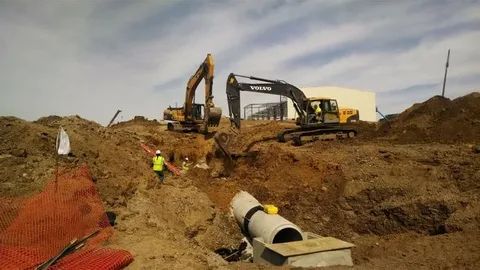
An asphalt driveway typically needs more than one type of care during its service life. Cleaning, crack evaluation, localized repairs, drainage improvements, surface treatments, and eventually resurfacing or replacement may all become appropriate at different stages.
A qualified asphalt maintenance company should distinguish between preventive maintenance and corrective work. Surface treatment is useful when the pavement is still serviceable; repair addresses localized failures; resurfacing can renew broader surface deterioration; and reconstruction becomes necessary when the pavement structure has significantly failed.
Choosing the right treatment at the right stage can help property owners avoid spending money on a maintenance method that does not address the actual pavement problem.
What Happens During a Seal Coating Project?
The process generally begins with inspection. Contractors evaluate the pavement to identify cracks, damaged areas, contamination, drainage concerns, and other conditions that could affect the finished treatment.
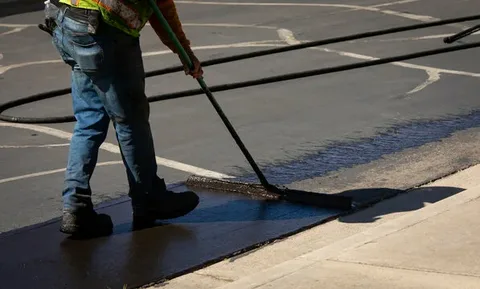
The driveway is then cleaned and prepared. Repairs that need to be completed beforehand should be addressed, and the surface should be suitable for proper adhesion. The coating is then applied evenly with attention to coverage, boundaries, edges, and surrounding surfaces.
After application, the treated driveway needs adequate time before normal vehicle use resumes. The contractor should provide instructions based on the product, conditions, and project rather than relying on a generic timeline.
Common Mistakes That Reduce Seal Coating Performance
One common mistake is coating pavement that needs structural repair. Another is applying material over dirt, oil, loose debris, or active pavement failures. These shortcuts may affect adhesion, appearance, and overall performance.
Other mistakes include ignoring drainage problems, treating severely deteriorated pavement as though it only needs cosmetic improvement, or repeatedly applying coatings without evaluating the buildup and condition of previous layers.
Effective driveway seal coating starts with determining whether the pavement is actually a suitable candidate. Preparation and timing matter as much as the application itself.
Questions to Ask Before Seal Coating Your Driveway
Property owners should understand what condition their asphalt is in before approving the work. A contractor should be able to identify any repairs that need attention and explain why the pavement is suitable for treatment.
Useful questions include:
- Is the asphalt structurally stable enough for seal coating?
- Do any cracks or potholes need repair first?
- How will oil or surface contamination be cleaned?
- Are there drainage problems that need attention?
- Have previous coatings affected the current surface?
- How will edges and adjoining concrete be handled?
- How long should vehicles remain off the driveway?
- What maintenance should follow the treatment?
These questions help distinguish preventive surface care from attempts to cover damage that requires a different solution.
Conclusion
Seal coating can help reduce asphalt surface wear when the driveway remains structurally sound and is properly prepared before treatment. It can limit exposure to sunlight, oxidation, moisture, and normal weathering while restoring a darker and more consistent appearance.
For property owners considering driveway seal coating in Katy, TX or preventive pavement care in Richmond, the condition of the asphalt should guide the decision. Houston Asphalt and Concrete can evaluate existing pavement, identify repairs that may be required, and determine whether surface treatment fits the current stage of the driveway’s maintenance cycle.
Using the right maintenance method at the right time provides more value than treating every faded or cracked surface the same way.
FAQ’s
What does driveway seal coating protect against?
It helps reduce direct exposure to sunlight, oxidation, moisture, and normal surface wear. It does not correct structural failures beneath the pavement.
Can seal coating fix driveway cracks?
No. Appropriate cracks should be evaluated and treated before coating. Large or active cracks may indicate deeper pavement problems that require additional repair.
Should potholes be repaired before seal coating?
Yes. Potholes and other failed areas should generally be repaired before a protective surface coating is applied.
How do I know when my asphalt driveway needs seal coating?
Look at the overall surface condition, oxidation, previous maintenance, cracking, drainage, and structural stability. A professional inspection can help determine whether the pavement is ready.
Does seal coating make an asphalt driveway stronger?
It protects the surface but does not strengthen a weak base or increase the structural capacity of the pavement.
Is seal coating the same as asphalt resurfacing?
No. Seal coating applies a protective surface layer. Resurfacing installs a new asphalt layer and is used when the pavement has more substantial surface deterioration.