Asphalt does not need to be completely rebuilt every time the surface begins to look worn, faded, or uneven. When the underlying pavement remains structurally stable, professional asphalt resurfacing services can restore a smoother driving surface while preserving much of the existing pavement system. This approach can work well for parking lots, private roads, access lanes, and other paved areas in Spring, TX.
Houston Asphalt and Concrete evaluates more than visible wear before recommending resurfacing. Cracking patterns, drainage, depressions, previous repairs, pavement movement, base stability, traffic demands, and transitions all influence whether a new asphalt layer is appropriate. Understanding these conditions helps property owners choose between resurfacing, localized repair, or complete reconstruction.
What Asphalt Resurfacing Actually Does
Resurfacing typically involves preparing an existing asphalt surface and installing a new asphalt layer over pavement that still has enough structural integrity to remain in place. Depending on site conditions, preparation may include cleaning, localized repairs, milling, leveling, crack treatment, and correcting transitions before the new material is installed.
Unlike a simple cosmetic treatment, asphalt resurfacing services are intended to renew the driving surface and address broader surface deterioration. The process can improve ride quality, create a more uniform appearance, and restore worn areas without automatically removing the entire pavement structure.
However, resurfacing cannot correct every pavement problem. If large sections have lost support beneath the asphalt, covering those areas with new material may only conceal the symptoms temporarily. That is why inspection and preparation are critical parts of the project.
When Worn Pavement Is a Good Candidate for Resurfacing
The best candidates usually have surface deterioration but a reasonably stable foundation. Fading, oxidation, moderate cracking, shallow surface irregularities, and general wear may indicate that the pavement has aged without completely losing structural support.
A contractor should examine whether cracking is limited mainly to the upper pavement layers or reflects deeper movement. Repeated settlement, severe alligator cracking, widespread rutting, or potholes that consistently return after repair can indicate problems below the surface that resurfacing alone will not solve.
Properties should therefore be evaluated individually. Two parking lots can look equally worn from a distance while requiring very different solutions once the base, drainage, and existing pavement structure are examined.
Surface Preparation Determines the Quality of the Result
A new layer of asphalt performs only as well as the surface beneath it allows. Loose material, failed patches, unstable edges, dirt, vegetation, significant depressions, and poorly repaired sections should be addressed before resurfacing begins.
Preparation may involve removing failed asphalt, correcting localized base problems, cleaning the surface, adjusting elevations, and improving transitions around curbs, concrete sections, entrances, and drainage structures. Experienced asphalt overlay contractors should determine which steps are necessary from the actual pavement condition rather than applying the same preparation method to every project.
Ignoring preparation can allow existing defects to affect the new surface. Spending more time evaluating and preparing the pavement before installation can therefore be more valuable than focusing only on the appearance of the finished asphalt.
Why Drainage Must Be Checked Before Resurfacing
Water movement is an important part of pavement performance. Existing low areas may hold water after rainfall, while settlement can alter slopes that originally directed runoff properly. Installing another asphalt layer without considering these conditions can preserve or even worsen drainage problems.
Before asphalt resurfacing services begin, the contractor should evaluate where water currently collects and where it needs to move after the elevation of the pavement changes. Drainage inlets, curbs, adjoining concrete, building entrances, and nearby paved areas should all be considered.
Spring-area properties can experience periods of substantial rainfall, making surface drainage particularly important. Resurfacing should work with the property’s drainage plan instead of simply creating a new surface over an existing water-management problem.
Milling Helps Control Elevations and Transitions
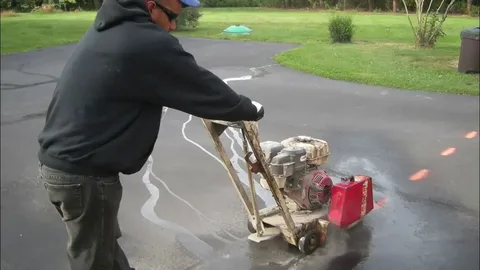
Milling removes a controlled amount of existing asphalt before new pavement is installed. It can be especially useful where simply adding another layer would raise the finished surface too high around curbs, gutters, drainage structures, garage approaches, sidewalks, or adjoining pavement.
Milling can also help remove severely deteriorated surface material and improve uneven areas. Not every resurfacing project requires the same amount of milling, and some properties may only need work around selected transitions.
The finished elevation matters because pavement does not operate independently of the rest of the property. Entrances, curbs, drainage points, and adjoining surfaces need to connect properly after the new asphalt is installed.
Pavement Repairs May Be Needed Before Resurfacing
Resurfacing should not be used to hide obvious failed areas. Potholes, soft sections, broken edges, or localized depressions may require repair before the broader surface receives a new asphalt layer.
Professional pavement repair services in Spring, TX can address isolated failures where underlying problems would otherwise affect the resurfaced pavement. Contractors may remove deteriorated material, repair the affected base when needed, and rebuild the section before continuing with the larger project.
This preparation helps distinguish proper resurfacing from simply covering damaged pavement. The objective is to give the new surface consistent support wherever reasonably possible.
Resurfacing Commercial Parking Lots
Commercial parking lots face different stresses than lightly used residential pavement. Repeated vehicle movement, turning traffic, delivery vehicles, loading activity, and concentrated traffic near entrances can cause some areas to deteriorate faster than others.
For parking lot overlays, contractors should review traffic patterns, drainage, curbs, concrete aprons, loading areas, pedestrian routes, and pavement markings before work begins. Failed sections may require repair, while selected areas may need milling to maintain proper elevations.
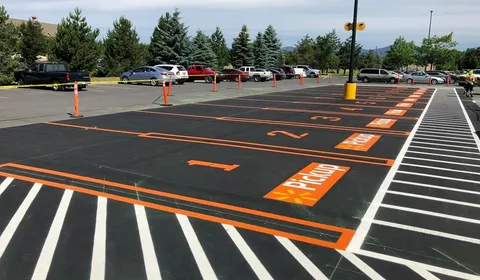
After the new asphalt has been placed and is ready for the next phase of work, parking stalls, directional arrows, accessible spaces, fire lanes, loading zones, and other pavement markings may need to be restored. Planning these steps together helps create a more complete parking lot improvement.
Asphalt Resurfacing in Spring, TX
Properties in Spring can include commercial parking areas, private access roads, driveways, service lanes, and mixed pavement surfaces. Traffic level, rainfall, drainage conditions, surrounding development, and existing pavement age can all influence how these areas deteriorate.
Choosing asphalt resurfacing services should therefore begin with an inspection rather than an assumption that every worn surface needs another asphalt layer. A contractor should look for structural movement, recurring failures, drainage problems, edge deterioration, and signs that the pavement base is no longer providing consistent support.
If most of the pavement remains stable, resurfacing can preserve existing material while renewing the upper surface. When failures extend through large areas, more extensive reconstruction may offer a better solution.
Resurfacing Considerations for Houston Properties
Similar evaluation principles apply to larger commercial and residential pavement projects in Houston. High-use parking areas may experience significant turning traffic, delivery activity, weather exposure, and repeated repairs that should be assessed before a resurfacing plan is developed.
For parking lot overlays in Houston, TX, contractors should consider whether the existing pavement can support another layer and whether drainage or elevation changes will affect curbs, sidewalks, entrances, or stormwater structures.
The location may change the scale and use of the project, but the central rule remains the same: new asphalt should be installed over pavement capable of supporting it.
When Replacement Is Better Than Resurfacing
There is a point where preserving the existing pavement is no longer practical. Widespread structural cracking, deep rutting, significant settlement, large unstable sections, recurring potholes, or extensive base failure may indicate that reconstruction is needed.
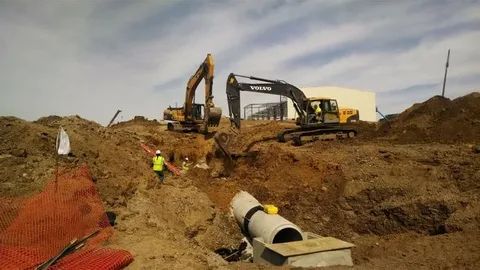
Replacement allows contractors to remove damaged pavement and access the layers below it. Unsuitable material can then be corrected, the base rebuilt, elevations adjusted, and drainage issues addressed before new asphalt is installed.
The presence of cracking alone does not automatically require replacement. The pattern, depth, extent, and cause of the damage matter more than whether cracks are visible. A professional assessment should determine how much of the pavement system has actually failed.
Resurfacing, Repair, or Complete Reconstruction?
The right choice depends on the extent and cause of the deterioration. Localized damage with otherwise stable pavement may be suited to paving repair services, while broader surface aging over a strong foundation may justify resurfacing. Extensive structural failure can make reconstruction more appropriate.
This distinction matters because each method solves a different level of pavement problem. Repair focuses on individual failures, resurfacing renews a larger stable surface, and reconstruction addresses pavement whose underlying structure can no longer reliably support traffic.
A contractor who recommends one of these options should be able to explain what was found during the inspection and why that condition supports the proposed method.
How Asphalt Resurfacing and Overlays Are Installed
Once the pavement has been evaluated, the project typically moves through preparation, repairs, elevation adjustments, and surface cleaning. Milling may be completed where necessary, and failed sections should be corrected before the new asphalt layer is placed.
During asphalt resurfacing and overlays, the new material is installed and compacted to create a dense, consistent surface. Edges, transitions, drainage areas, entrances, and connections with existing pavement need careful attention because these locations can strongly affect how the completed area functions.
Commercial properties may require additional coordination to maintain access during construction and restore pavement markings afterward. The exact sequence should reflect the property’s layout and operational needs.
What Property Owners Should Ask Before Resurfacing
Property owners should understand why the contractor believes resurfacing is suitable before approving the project. The proposal should explain existing pavement conditions, preparation requirements, areas that need repair, and how drainage or transitions will be handled.
Useful questions include:
- Is the existing pavement base stable enough for resurfacing?
- Which failed sections require repair first?
- Will any areas require milling?
- How will existing drainage problems be handled?
- Will pavement elevation change near curbs or entrances?
- How will adjoining concrete and asphalt transitions be treated?
- Are any sections too damaged to resurface?
- What maintenance should follow the completed work?
Clear answers demonstrate that the recommendation is based on site conditions rather than simply applying new asphalt because the pavement looks old.
Maintaining Resurfaced Asphalt
Resurfacing renews the pavement surface, but regular observation remains important. Property owners should monitor drainage, developing cracks, surface depressions, edges, and areas that carry frequent turning or heavy vehicle traffic.
Small defects should be evaluated before they expand. If water repeatedly collects in one location or cracks return in the same pattern, the condition may indicate movement beneath the new surface rather than normal cosmetic aging.
Preventive maintenance can support pavement performance, but no surface treatment should be expected to correct an unresolved structural problem. Maintenance decisions should continue to reflect the actual condition of the pavement.
Conclusion
Resurfacing can restore worn asphalt when the existing pavement still provides a stable foundation. Proper evaluation, localized repairs, milling where necessary, drainage planning, surface preparation, asphalt placement, and compaction all contribute to the quality of the completed project.
For property owners considering asphalt resurfacing services in Spring, TX, the most important first step is determining whether deterioration is limited mainly to the surface or extends into the pavement structure. Houston Asphalt and Concrete can assess the condition of the existing pavement and help determine whether resurfacing, targeted repair, or full reconstruction better fits the property.
When the underlying pavement is suitable, resurfacing can provide a smoother, more consistent surface without removing pavement that still has useful structural value.
FAQ’s
How do I know if my asphalt can be resurfaced?
A good candidate typically has a stable pavement structure with surface aging, moderate cracking, oxidation, or general wear. Major settlement, widespread structural cracking, or extensive base failure may require reconstruction.
Can resurfacing fix potholes?
Potholes should generally be repaired before the broader resurfacing layer is installed. Covering an unstable pothole without correcting the failed material beneath it can allow the problem to return.
Does asphalt need to be milled before resurfacing?
Not always. Milling may be needed around curbs, drains, entrances, concrete transitions, or deteriorated areas where pavement height and surface condition need adjustment.
How is resurfacing different from seal coating?
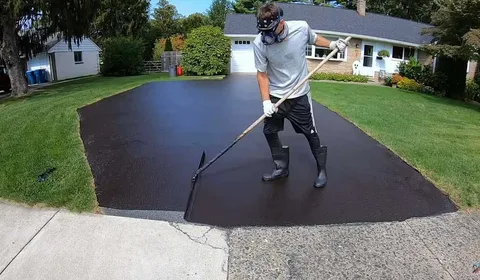
Seal coating applies a protective surface treatment to suitable asphalt. Asphalt resurfacing services involve installing a new layer of asphalt and are intended for more substantial surface deterioration.
Can a commercial parking lot be resurfaced?
Yes, when the underlying pavement remains structurally suitable. Repairs and milling may be required first, and parking lot markings typically need to be restored after the resurfacing work.
When is complete replacement a better option?
Replacement may be more appropriate when pavement has widespread base failure, severe settlement, extensive structural cracking, recurring deep potholes, or drainage problems that require major reconstruction.