Asphalt surfaces play an important role in keeping residential and commercial properties accessible, safe, and attractive. From private driveways to busy parking lots, properly installed pavement creates a smooth surface for everyday use. However, weather changes, vehicle traffic, and poor drainage can affect pavement over time. Property owners in Katy, TX, need practical paving solutions that suit local conditions and daily traffic demands.
Choosing reliable Asphalt Paving services helps property owners build durable surfaces and manage long-term maintenance needs. A well-planned project starts with proper ground preparation, suitable materials, and careful installation. Moreover, regular inspections can help identify minor surface problems before they require major repairs.
Houston Asphalt and Concrete provides paving-related solutions for residential and commercial properties. Understanding the paving process helps property owners make informed decisions about their driveways, access roads, and parking areas. Additionally, knowing what affects pavement durability can make future maintenance easier.
Whether a property needs a new asphalt surface or improvements to an existing one, the right approach makes a difference. Therefore, understanding materials, installation methods, drainage, and maintenance can help protect your investment in Katy and nearby Houston.
Understanding Asphalt Paving for Residential and Commercial Properties
Asphalt offers a practical surface for many types of properties. Its smooth finish supports comfortable vehicle movement and creates a clean appearance. Furthermore, asphalt works well for driveways, parking lots, private roads, and other paved areas.
Property owners often choose asphalt because it offers flexibility in design and maintenance. However, every project requires proper planning. The intended use, ground conditions, traffic levels, and drainage needs should guide the installation process.
Why Asphalt Works for Different Property Types
Residential driveways usually experience lighter traffic than commercial parking areas. Consequently, contractors must consider different thicknesses, base materials, and preparation methods for each project.
For example, a family driveway may need a design that supports regular passenger vehicles. In contrast, a commercial property may require a stronger pavement structure for delivery trucks and frequent vehicle movement.
Several factors influence a successful project:
- Property usage: Contractors should understand the type and frequency of vehicle traffic.
- Ground conditions: Soil stability affects the strength of the pavement foundation.
- Surface drainage: Proper grading helps direct water away from the paved area.
- Pavement thickness: The design should match expected traffic loads.
- Long-term maintenance: Owners should consider future inspection and repair needs.
Moreover, property owners should discuss their expectations before construction begins. A clear project plan helps avoid misunderstandings and supports better results.
Benefits of Professional Asphalt Paving in Katy, TX
Professional installation can improve pavement performance and reduce avoidable problems. Although asphalt may look simple from the surface, its durability depends on several construction stages. Each stage contributes to the strength and stability of the finished pavement.
Katy properties also experience changing weather conditions. Heat, rain, and regular vehicle traffic can affect pavement performance. Therefore, choosing suitable materials and installation methods matters.
How Quality Asphalt Paving Supports Long-Term Performance
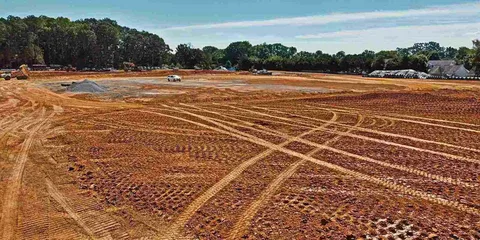
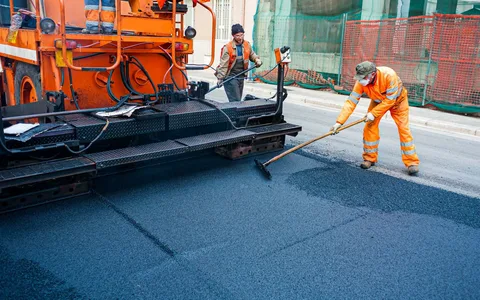
Expert Asphalt Paving begins with a suitable design and careful site preparation. Contractors assess the ground, remove unsuitable materials, and establish a stable base before applying asphalt.
Here are five practical benefits property owners can consider:
- Smooth vehicle movement: A properly finished surface supports comfortable driving and parking.
- Improved appearance: Fresh asphalt gives driveways and parking areas a clean, consistent finish.
- Flexible maintenance: Owners can address cracks and surface deterioration through suitable repairs.
- Practical installation: Asphalt suits many residential and commercial paving projects.
- Better site organization: Clearly defined paved areas can improve parking and vehicle access.
Furthermore, professional planning helps determine the right pavement structure. Property owners should ask about material specifications, drainage plans, and expected project timelines.
A reliable contractor should also explain the preparation process. This information helps customers understand what the project involves and why each step matters.
Choosing Asphalt Repair Contractors and Paving Services
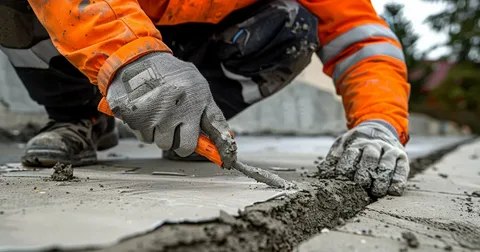
Existing asphalt surfaces do not always need complete replacement. In many cases, targeted repairs can address specific problems and extend pavement usability. However, the right solution depends on the damage, its underlying cause, and the overall condition of the surface.
Cracks, potholes, uneven areas, and water accumulation can indicate developing pavement problems. Therefore, property owners should arrange an inspection when these issues appear.
What to Look for in Asphalt Repair Contractors
Experienced asphalt repair contractors service should evaluate more than visible surface damage. They should also consider drainage, foundation conditions, pavement age, and traffic patterns.
Consider these five points when comparing contractors:
- Relevant experience: Look for experience with projects similar to your property.
- Clear assessments: A contractor should explain the damage and possible repair options.
- Material knowledge: Ask about the asphalt materials and repair methods involved.
- Project planning: Discuss preparation, scheduling, and access during construction.
- Written estimates: Request clear details about the proposed work and expected costs.
Additionally, ask whether the contractor recommends patching, resurfacing, or full replacement. Each option serves a different purpose.
Commercial Asphalt Paving for Parking Lots and Business Properties
Commercial properties need pavement that supports regular vehicle movement and customer access. Parking lots, business entrances, loading areas, and private access roads all require careful planning.
Commercial pavement often experiences heavier traffic than residential driveways. Delivery vehicles, customer cars, and service trucks can place repeated stress on the surface. Consequently, contractors must consider traffic volume when developing a paving plan.
Planning a Functional Commercial Asphalt Surface
Reliable commercial asphalt paving in Houston, TX starts with an understanding of how people and vehicles use the property. A parking lot serving a small office has different requirements from a busy retail location.
Property owners should consider these five practical factors:
- Traffic volume: Estimate the number and types of vehicles using the area.
- Parking layout: Plan spaces, driving lanes, and turning areas carefully.
- Drainage design: Prevent water from collecting around entrances and parking spaces.
- Surface markings: Include suitable parking lines and directional markings.
- Future expansion: Consider whether the property may need additional paved space.
Moreover, businesses should plan construction around their operating schedules. Dividing work into manageable sections may help maintain access during certain projects.
Clear communication also matters. Contractors should explain which areas require temporary restrictions and when normal access may resume.
A properly designed commercial surface supports everyday operations while creating a more organized environment for employees, customers, and visitors.
Asphalt Maintenance Practices That Help Protect Your Pavement
Even well-installed asphalt requires regular attention. Sun exposure, rain, vehicle loads, and everyday wear gradually affect the surface. However, simple maintenance practices can help property owners identify problems early.
Preventive maintenance also helps owners understand when a surface needs professional attention. Instead of waiting for visible deterioration to spread, regular inspections provide an opportunity to address smaller concerns.
Five Practical Ways to Maintain Asphalt Surfaces
Professional Asphalt Paving should include a long-term maintenance plan. Property owners can follow these five useful practices:
- Inspect regularly: Check driveways and parking areas for cracks, potholes, and uneven sections.
- Maintain drainage: Keep drains and nearby channels clear of leaves and debris.
- Address cracks early: Arrange suitable repairs before water reaches deeper pavement layers.
- Manage heavy traffic: Avoid unnecessary heavy vehicle movement across unsuitable pavement.
- Schedule professional evaluations: Ask a qualified contractor to assess developing problems.
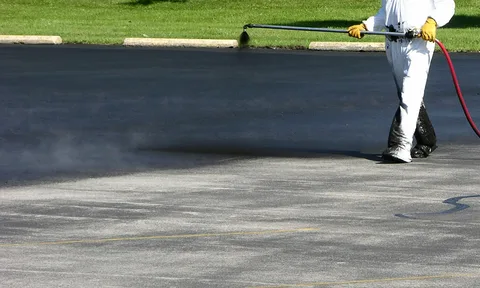
Furthermore, sealcoating may help protect suitable asphalt surfaces from moisture and surface wear. However, it does not repair structural damage or replace proper pavement maintenance.
Property owners should also avoid using unsuitable repair products. Different types of pavement damage require different solutions. Therefore, a professional assessment can help determine the most appropriate approach.
Consistent maintenance supports pavement performance and helps owners plan repairs before larger problems develop.
Planning Your Next Asphalt Paving Project in Katy and Houston
A successful paving project starts long before installation. Property owners should understand their site requirements, project goals, budget, and expected use. This preparation helps contractors recommend suitable materials and construction methods.
Additionally, comparing project estimates can help owners understand the proposed work. However, the lowest price does not always represent the best value. Material quality, preparation, drainage, and workmanship all influence pavement performance.
Five Steps Before Starting a Paving Project
Consider these five steps when planning residential or commercial improvements:
- Define your requirements: Identify whether you need a driveway, parking lot, access road, or repair.
- Review the site: Assess existing pavement, ground conditions, and drainage concerns.
- Compare proposals: Review material details, preparation work, and project scope.
- Discuss scheduling: Confirm the expected timeline and access arrangements.
- Understand maintenance: Ask how to care for the finished surface after installation.
Furthermore, property owners should discuss any concerns before approving the work. Clear communication helps establish realistic expectations.
Houston Asphalt and Concrete can be considered when exploring paving solutions for properties in the Katy and Houston areas. Property owners should discuss their specific project requirements and request details about the available services.
Conclusion
A well-maintained asphalt surface contributes to property appearance, accessibility, and everyday convenience. Residential driveways need dependable surfaces for regular vehicle use, while commercial properties require pavement that handles more frequent traffic. Therefore, selecting suitable materials and planning the installation carefully can make a meaningful difference.
Property owners should pay attention to ground preparation, pavement thickness, drainage, and installation quality. Moreover, regular inspections help identify cracks and other surface problems before they become more difficult to address. Timely maintenance can also help preserve the condition of existing pavement.
For property owners seeking reliable asphalt paving services in Katy, TX, understanding the available options is a useful starting point. Comparing contractors, reviewing project details, and discussing maintenance requirements can help you make a confident decision.
Properties in Houston, TX, also benefit from careful paving plans that consider traffic demands and local weather conditions. Additionally, commercial property owners should prioritize practical parking layouts and suitable drainage systems.
Ultimately, successful paving involves more than applying asphalt to the ground. It requires proper preparation, informed material selection, skilled installation, and ongoing care. By considering these factors, homeowners and businesses can make better decisions about their paving projects and protect their property improvements over time.
FAQs
1. How long does an asphalt driveway typically last?
An asphalt driveway can last around 15–20 years with proper installation and regular maintenance. Actual lifespan depends on traffic, drainage, climate, and upkeep.
2. When should I repair my asphalt driveway?
You should consider repairs when you notice cracks, potholes, uneven areas, or water accumulation. Early attention can help prevent further deterioration.
3. Is asphalt suitable for commercial parking lots?
Yes. Asphalt works well for many commercial parking lots because it provides a smooth driving surface and supports different traffic requirements when properly designed.
4. What affects the cost of an asphalt paving project?
Project size, excavation requirements, base preparation, asphalt thickness, drainage, and site accessibility can all influence the total cost.
5. How can I maintain my asphalt pavement?
Inspect the surface regularly, maintain proper drainage, repair cracks promptly, and consider professional maintenance when necessary.