Loading docks are important parts of warehouses, distribution centers, retail facilities, and other commercial properties. These areas support regular deliveries, material handling, and vehicle movement throughout the business day. Their pavement must accommodate trucks, forklifts, delivery vehicles, and other equipment while providing a stable surface for loading and unloading. Houston Asphalt and Concrete helps commercial property owners address paving requirements with solutions suited to their site conditions and operational needs.
Unlike ordinary parking areas, loading zones often experience concentrated traffic and repeated vehicle movements. Trucks may stop, turn, reverse, and remain stationary near dock entrances. These activities can place additional stress on pavement, particularly around turning points and areas where vehicles repeatedly apply pressure.
Commercial asphalt loading dock paving requires careful planning because the surface must support the property’s daily operations. Ground conditions, drainage, vehicle weight, access routes, and the condition of existing pavement all influence the project. Proper preparation and installation can help create a functional loading area that supports regular commercial activity.
Understanding the Pavement Needs of Loading Dock Areas
Loading docks experience different traffic patterns from standard commercial driveways and parking lots. Delivery vehicles may enter and leave throughout the day, while larger trucks need enough room to approach the dock and position themselves for unloading. Forklifts and other equipment may also move across the paved area.
These activities create specific pavement requirements. The surface should provide stable vehicle access, practical turning space, and suitable transitions between the loading area and nearby roads or buildings. Uneven pavement can make vehicle movement more difficult and interfere with daily loading operations.
Property owners should identify the types of vehicles and equipment that regularly use the site. A facility that receives occasional small deliveries may have different requirements from a distribution center handling frequent heavy truck traffic. Understanding these differences helps establish an appropriate construction plan.
The layout should also account for pedestrian movement. Employees may need to walk between loading areas, storage spaces, and building entrances. Clearly planned routes and suitable surface conditions can help make the working environment more organized.
Evaluating Existing Pavement Before Construction
Before beginning a new paving project, the loading area should be inspected to understand its current condition. Existing pavement may have cracks, potholes, depressions, damaged edges, or areas where water collects. These problems can indicate surface deterioration or issues beneath the pavement.
For commercial asphalt loading dock paving, the inspection should consider more than the visible surface. The underlying base, ground stability, drainage pattern, and connection to nearby pavement can affect the construction requirements. Areas showing repeated settlement or extensive damage may need additional preparation before new asphalt is placed.
Property owners should also identify locations that experience the greatest vehicle activity. Dock approaches, truck turning areas, entrance points, and sections where vehicles stop frequently may require particular attention. Reviewing these locations helps determine how the pavement should be prepared for its intended use.
Experienced asphalt paving contractors can assess the existing pavement and help determine whether the project requires new installation, repairs, or improvements to the existing surface. The appropriate approach depends on the site’s condition and operational requirements.
Preparing the Site for a Stable Loading Area
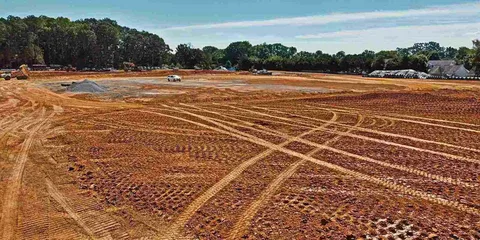
Site preparation establishes the conditions needed for a successful paving project. Before asphalt installation, unsuitable material, loose debris, and damaged pavement may need to be removed. The ground should then be prepared according to the planned pavement elevations and foundation requirements.
Some commercial properties have uneven ground or soft areas that cannot provide consistent support. These sections may require additional excavation or corrective work. Leaving unstable areas untreated can contribute to settlement and surface damage after the loading area is put into use.
The preparation process should also account for nearby structures and existing access points. Loading docks often connect directly to warehouse entrances, concrete dock aprons, driveways, and other paved surfaces. These connections should be reviewed so the finished pavement provides practical transitions without creating abrupt changes in elevation.
Planning the work carefully can also help businesses manage disruption. Loading areas are often essential to daily operations, so property owners should discuss construction access, delivery schedules, and temporary traffic arrangements before work begins.
Why Proper Grading and Drainage Matter
Water management is an important consideration for loading dock pavement. Rainwater that collects near dock entrances can interfere with vehicle movement and create inconvenience for employees. Standing water may also contribute to pavement deterioration when it enters cracks or damaged sections.
Grading establishes the slopes and elevations needed to direct water toward appropriate drainage points. The site should be evaluated to identify low areas, existing drainage structures, and the direction water naturally moves across the property.
The loading area should be graded with nearby buildings and dock entrances in mind. Water should not be directed toward building openings or areas where it could create operational problems. Drainage planning should consider the complete paved area rather than focusing on one isolated section.
Proper grading also helps establish consistent pavement thickness. Uneven elevations can create difficulties during asphalt placement and may result in sections that do not perform as intended. Addressing these conditions before installation supports a more consistent finished surface.
Building a Suitable Base for Heavy Commercial Traffic
The foundation beneath asphalt pavement helps support vehicle loads and distribute pressure across the prepared ground. This is especially important in loading areas where heavy trucks may stop, turn, and repeatedly use the same sections.
Base preparation may involve placing suitable aggregate material and compacting it to create a stable foundation. The required work depends on existing soil conditions, traffic demands, and the construction specifications for the project. Areas expected to carry heavier vehicles should receive appropriate attention during planning.
Heavy-duty asphalt paving requires coordination between the ground preparation, base layer, and finished pavement. If the base is weak or uneven, the asphalt may develop depressions, cracking, or other damage under repeated traffic. Proper preparation helps provide consistent support across the loading area.
Property owners should ask what base work is included in the proposed project. Understanding whether excavation, additional material, and compaction are required helps clarify the construction process and the expected scope of work.
Asphalt Installation Around Loading Docks
Once the site has been prepared, asphalt can be placed according to the planned dimensions and pavement requirements. The material should be distributed evenly and compacted appropriately to create a consistent surface.
Loading dock areas may include several different pavement sections. These can include truck approach lanes, turning areas, staging spaces, and access routes connecting the dock to the rest of the property. Each section should be considered as part of the overall layout.
Transitions between asphalt pavement and concrete dock aprons also need attention. Uneven connections can affect truck movement and create areas where water collects. The construction plan should account for adjoining surfaces and their elevations before the final pavement is installed.
The finished surface should support the property’s regular vehicle movements. Proper placement and compaction help create a practical driving area, while suitable grading supports water movement across the site.
Commercial Loading Dock Paving for Richmond Businesses
Commercial properties in Richmond may include warehouses, retail facilities, distribution locations, and businesses that depend on regular deliveries. Their loading areas need pavement suited to the type and frequency of vehicles using the property.
A warehouse with frequent truck activity may require particular attention to turning areas and dock approaches. A smaller commercial property may need a more compact loading space that connects directly to an existing driveway or parking area. In both cases, the site should be evaluated before construction begins.
Businesses planning commercial asphalt loading dock paving in Richmond should consider the condition of the existing ground, drainage requirements, and expected traffic. These details help determine the preparation and installation work needed for the property.
Property owners can review commercial paving services in Richmond, TX when considering improvements to their paved access and loading areas. A project based on the site’s actual requirements can help support regular deliveries and vehicle movement.
Asphalt Loading Areas for Businesses in Rosenberg, TX
Rosenberg businesses may use loading areas for receiving inventory, moving materials, and coordinating commercial deliveries. These spaces need practical access for vehicles while allowing employees to carry out daily work around the dock.
Existing pavement should be inspected for cracks, potholes, worn sections, and drainage problems. Damage near dock entrances or truck turning areas may become more noticeable when vehicles repeatedly use the same sections. Identifying these conditions early helps property owners understand whether localized repairs or broader pavement improvements are needed.
The loading area should also connect properly with the property’s other paved sections. Driveways, parking areas, and delivery routes should be considered together so vehicles can move through the site without unnecessary obstacles.
Businesses looking for commercial loading dock pavement in Rosenberg, TX can learn more through the Rosenberg, TX service . Reviewing local paving options can help property owners consider improvements that match their facility’s access and traffic needs.
Common Problems in Commercial Loading Areas
Loading dock pavement can experience damage over time due to repeated vehicle movement, weather exposure, drainage issues, and changes beneath the surface. Recognizing common problems helps property managers identify when an inspection may be necessary.
Some issues to monitor include:
- Potholes: Broken pavement areas can affect truck movement and create difficulties for employees working near the loading zone.
- Surface cracking: Cracks may develop because of pavement aging, repeated traffic stress, or movement beneath the surface.
- Depressions: Low areas can indicate settlement and may allow water to collect after rainfall.
- Damaged pavement edges: Edges near dock aprons and adjoining surfaces may deteriorate when they receive repeated vehicle pressure.
- Drainage problems: Blocked drains or unsuitable surface slopes can contribute to standing water around the loading area.
The cause of damage should be evaluated before repairs are selected. A surface crack may require a different solution from a depression caused by weak base material. Addressing the underlying problem can help reduce the chance of recurring damage.
Maintaining Commercial Asphalt Loading Areas
Regular inspections help property owners monitor pavement condition and identify developing issues. Loading zones should receive particular attention because trucks and equipment may use the same sections repeatedly throughout the day.
Debris should be cleared from paved surfaces and drainage points. Property managers should also check for standing water, damaged edges, and cracks that may allow moisture to enter the pavement.
Traffic patterns can influence how quickly certain sections deteriorate. Turning areas, dock approaches, and places where trucks frequently stop may experience more stress than other parts of the property. Monitoring these locations can help property owners identify maintenance needs.
Commercial pavement repair should be considered when damage begins affecting the condition or use of the loading area. The appropriate method depends on the size and cause of the problem. Some sections may need localized repairs, while widespread deterioration may require more extensive paving work.
Choosing a Contractor for Loading Dock Paving
Choosing a contractor involves reviewing the proposed work and understanding how the team plans to address the property’s requirements. Commercial loading areas have specific access and traffic needs, so the contractor should consider the types of vehicles using the site and the condition of the existing pavement.
Property owners should ask about site evaluation, grading, drainage, base preparation, asphalt placement, and compaction. These details help explain how the project will be completed and what work is necessary before the new surface is installed.
It is also important to discuss construction scheduling. Since loading docks often support daily deliveries, businesses may need to coordinate temporary access arrangements or adjust delivery schedules while work is underway.
Houston Asphalt and Concrete provides paving services for commercial and residential properties. Reviewing the property’s condition and operational requirements can help establish a suitable plan for improving loading areas and other paved surfaces.
Improve Your Commercial Loading Area with Proper Asphalt Paving
A functional loading area supports deliveries, material movement, and daily business operations. Its pavement needs to accommodate the vehicles and equipment that regularly use the property while providing practical access to nearby buildings and paved sections.
Commercial asphalt loading dock paving should include careful site evaluation, grading, drainage planning, base preparation, and proper asphalt installation. Considering these stages together helps property owners plan a surface suited to their facility’s needs.
For businesses in Richmond and Rosenberg, the right paving approach depends on existing ground conditions, traffic requirements, and the layout of the loading area. Houston Asphalt and Concrete can help property owners review their paving needs and discuss suitable solutions for their commercial properties. Contact the team to discuss your loading dock paving project.