Commercial concrete parking lots support daily vehicle movement, customer access, employee parking, and delivery activity. Over time, repeated traffic, ground movement, water exposure, and general wear can cause cracks, uneven sections, and damaged concrete panels. Houston Asphalt and Concrete provides paving and repair services for commercial properties, helping business owners assess damaged surfaces and plan suitable improvements. Addressing concrete problems early can help maintain access and prevent isolated damage from becoming a larger pavement concern.
Why Commercial Concrete Parking Lots Need Proper Maintenance
Concrete parking areas are exposed to different types of pressure throughout the day. Passenger vehicles enter and leave parking spaces, delivery vehicles use access lanes, and turning movements place repeated stress on certain sections. These conditions can gradually affect the surface, particularly when the supporting ground or drainage is not performing as expected.
Cracks may appear along individual panels, while broken edges and surface deterioration can develop around heavily used areas. Water entering cracks can contribute to further damage, especially when the supporting material beneath the concrete becomes weak or unstable. Uneven panels may also affect vehicle movement and create uncomfortable transitions for pedestrians.
Routine inspections help property owners identify these problems before they spread. A small crack, for example, may need a different response from a panel that has settled or broken into several pieces. Understanding the cause and extent of the damage helps determine whether a localized repair, panel replacement, or more extensive reconstruction is appropriate.
Common Concrete Parking Lot Problems
Commercial property owners should understand the types of damage that can affect concrete parking areas. Each problem has different possible causes, so the repair method should be selected after reviewing the affected pavement and its supporting conditions.
Cracks Across Concrete Panels
Cracks can develop because of shrinkage, ground movement, repeated loading, or inadequate construction details. Their size, direction, and pattern can help indicate whether the problem is limited to the surface or may involve deeper movement. Cracks should be evaluated rather than covered without understanding why they formed.
Spalling and Surface Deterioration
Spalling occurs when sections of the concrete surface begin to chip, flake, or break away. It can affect the appearance of the parking lot and may create rough areas that require attention. The damaged section should be inspected to determine how deeply the deterioration extends and whether the concrete can be repaired.
Uneven or Settled Panels
Concrete panels may become uneven when the supporting soil or base shifts. Settlement can create height differences between adjoining sections and may allow water to collect in low areas. Depending on the condition, repairs may involve addressing the supporting material and restoring the affected pavement section.
Broken Corners and Edges
Concrete corners and edges can be vulnerable to repeated vehicle pressure, impact, or inadequate support. Once an edge breaks, the damaged area may continue to deteriorate if the underlying cause remains unresolved. Repair planning should consider the condition of the surrounding concrete and the support beneath it.
How Commercial Concrete Parking Lot Repair Is Carried Out
Commercial concrete parking lot repair should begin with an inspection of the damaged pavement. Contractors need to understand the type of damage, the condition of the surrounding panels, and whether the supporting base has been affected. This assessment helps determine which sections can be repaired and where replacement may be necessary.
1. Inspecting the Damaged Area
The contractor reviews visible cracks, spalling, broken edges, and uneven panels. The inspection should also consider how vehicles use the area and whether the damage is concentrated near entrances, turning points, loading areas, or parking spaces.
Drainage conditions are also important. Water collecting around damaged panels may contribute to deterioration or indicate that the surface levels need attention. Identifying these conditions helps establish the scope of the repair.
2. Selecting the Appropriate Repair Method
Not every damaged concrete section requires full replacement. Some surface defects may be suitable for localized repairs, while severely broken or settled panels may need to be removed and replaced. The correct approach depends on the depth of the damage, the stability of the surrounding concrete, and the condition of the base.
A repair plan should explain which areas will be treated and why. This helps property owners understand whether the proposed work addresses the cause of the damage or only improves its visible appearance.
3. Removing Unsuitable Concrete
Where a panel cannot be repaired effectively, the damaged concrete may need to be cut and removed. The affected area should be cleared carefully so the surrounding pavement is not unnecessarily disturbed. Loose fragments and unsuitable material are removed before the underlying area is prepared for reconstruction.
The size of the removal area depends on the extent of the damage. Contractors should avoid leaving weak or broken concrete around the repair boundary because it may affect the new section.
4. Preparing the Base
After removing damaged concrete, the exposed base should be inspected. If the supporting material is loose, wet, or unstable, it may require additional preparation. A suitable base provides support for the replacement concrete and helps reduce the risk of future settlement.
The area should also be checked for drainage concerns. Replacing a concrete panel without addressing a continuing water or ground problem may allow similar damage to develop again.
5. Placing and Finishing New Concrete
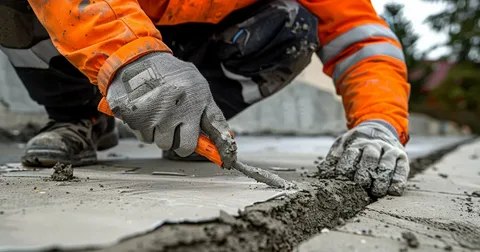
Once the base is ready, new concrete can be placed in the prepared section. The material is distributed and finished to match the planned surface levels and surrounding pavement. Contractors should consider the adjoining panels, joints, edges, and drainage profile during this stage.
The finish should be appropriate for a commercial parking area, where vehicles and pedestrians use the surface regularly. Proper curing is also important, and the repaired section should remain closed to traffic for the period recommended by the contractor.
6. Final Inspection and Reopening
Before the repaired area returns to normal use, the finished work should be reviewed. Contractors should check the surface, edges, joints, and transitions with surrounding pavement. Property owners should follow the instructions provided about curing time and when vehicles can safely use the repaired section.
Commercial Concrete Parking Lot Repair in Houston, TX
Commercial properties in Houston include retail centers, office buildings, warehouses, and other facilities with different parking requirements. Some sites experience frequent customer traffic, while others have regular delivery vehicles and heavier commercial use. These differences can influence where concrete damage develops and what type of repair is appropriate.
Property owners should pay attention to areas that experience repeated turning, stopping, and loading activity. Concrete panels near entrances and delivery routes may require closer inspection because vehicles place repeated pressure on these sections. Damaged panels should be assessed alongside nearby pavement to determine whether the issue is isolated or part of a wider pattern.
Businesses researching commercial concrete pavement repair in Houston, TX can review the commercial concrete paving and repair services in Houston, TX area page. A site inspection can help identify the affected sections and determine whether localized repair, panel replacement, or broader pavement work is needed.
Concrete Parking Lot Repair Considerations for Businesses in Katy, TX
Commercial properties in Katy may have concrete parking spaces, access lanes, sidewalks, and other paved areas connected to asphalt surfaces. Each section needs to work with the property’s overall layout. When concrete panels become uneven or damaged, the repair plan should consider how vehicles and pedestrians move between adjoining surfaces.
Drainage and surface transitions should be reviewed before work begins. If water collects near a damaged panel, the contractor should consider whether the problem is related to the concrete itself, the supporting base, or the surrounding ground. The finished repair should also connect properly with adjoining pavement without creating unnecessary height differences.
Business owners looking for concrete parking lot repair in Katy, TX can visit the commercial concrete paving and repair services in Katy, TX area page. The repair approach should be based on the property’s pavement condition, traffic patterns, and the extent of the damage.
Repair or Replace: How to Make the Right Decision
One of the main decisions for commercial property owners is whether damaged concrete can be repaired or whether an entire panel needs replacement. The answer depends on the condition of the concrete and the supporting material beneath it.
Localized surface damage may be suitable for a targeted repair if the surrounding concrete remains stable. However, a panel with extensive cracking, significant settlement, or multiple broken sections may not provide a reliable foundation for a small repair. In these cases, removing and replacing the affected section may be more appropriate.
Property owners should also consider whether similar problems are appearing across several areas. Repeated damage may indicate a broader issue involving drainage, base preparation, or ground movement. Treating individual symptoms without addressing the underlying condition can lead to recurring repair needs.
A professional inspection helps identify the extent of the problem and compare the available options. Houston Asphalt and Concrete can assess concrete pavement conditions and discuss suitable repair or replacement work based on the property’s requirements.
Maintaining a Commercial Concrete Parking Lot
Regular maintenance can help property managers monitor concrete conditions and identify damage before it affects larger areas. Parking lots should be inspected periodically, with additional checks after heavy rainfall or unusual vehicle activity.
Important maintenance tasks include:
- Inspecting cracks: Check for new cracks, widening openings, and damage around existing repair areas.
- Checking panel levels: Look for uneven sections, settlement, and changes in height between adjoining panels.
- Monitoring drainage: Identify standing water and keep drainage points clear of debris.
- Reviewing joints: Check concrete joints for deterioration or material loss that may require attention.
- Checking vehicle-use areas: Pay attention to entrances, loading zones, and turning areas where repeated traffic can affect the pavement.
Property managers should also keep the parking area clear of debris and address fluid spills using suitable cleaning methods. If a damaged section creates an access concern, it should be assessed promptly so the appropriate repair can be planned.
Choosing a Commercial Concrete Repair Contractor
Selecting a suitable contractor is important because concrete damage can have different causes. Business owners should choose a team that evaluates the affected sections and explains the proposed repair method before work begins.
Ask the contractor whether the damage is limited to the surface or extends into the concrete panel and supporting base. It is also useful to discuss how damaged material will be removed, how the base will be prepared, and how the replacement concrete will connect with surrounding pavement.
A written estimate should explain the work area, repair or replacement method, materials, preparation requirements, and project schedule. Commercial property owners should also discuss how construction will affect customer parking, employee access, delivery routes, and pedestrian movement.
Experienced concrete parking lot contractors should be able to explain the work in clear terms and identify any additional conditions that may affect the project. Understanding the scope before construction helps property owners plan around temporary access restrictions and make informed decisions.
Restore Your Commercial Parking Area With Professional Concrete Repair
Cracked panels, spalling, broken edges, and uneven concrete can affect the condition and usability of a commercial parking lot. The appropriate repair method depends on the extent of the damage, the stability of the supporting base, and the drainage conditions around the affected area. A detailed assessment helps determine whether localized repairs or panel replacement is more suitable.
Commercial concrete parking lot repair should address the condition of the pavement rather than simply cover visible damage. Businesses in Houston and Katy should consider traffic patterns, surface levels, drainage, and adjoining pavement when planning repairs.
Houston Asphalt and Concrete provides concrete paving and repair, asphalt services, grading, and other pavement solutions for commercial and residential properties. Business owners can discuss their parking lot concerns with the team and request an assessment to identify suitable repair options.