Construction projects need a stable, well-prepared site before builders can begin their work. Uneven ground, poor drainage, and loose soil can create problems for foundations, driveways, parking areas, and outdoor spaces. Proper site preparation helps reduce these risks and gives every project a stronger starting point. In Richmond, TX, changing weather and heavy rainfall make careful ground preparation especially important for residential and commercial properties.
Reliable grading services help shape the land, establish the correct elevations, and direct water away from important structures. Contractors evaluate existing ground conditions before moving soil or adjusting slopes. They also consider the intended use of the property, the surrounding landscape, and the project’s drainage requirements. As a result, proper grading supports safer construction and helps prevent avoidable repairs.
Houston Asphalt and Concrete works in the construction industry, where accurate site preparation plays an important role in the success of paving and concrete projects. Property owners in Richmond and nearby Rosenberg can benefit from understanding how grading affects the work that follows. Furthermore, knowing what to expect from site preparation makes it easier to discuss project requirements, compare contractor proposals, and plan realistic timelines.
From clearing uneven areas to preparing surfaces for pavement, every step requires careful planning. The right approach depends on soil conditions, site elevations, water movement, and the finished surface. Therefore, understanding the grading process can help property owners make informed decisions before construction begins.
Why Proper Site Grading Matters for Construction Projects
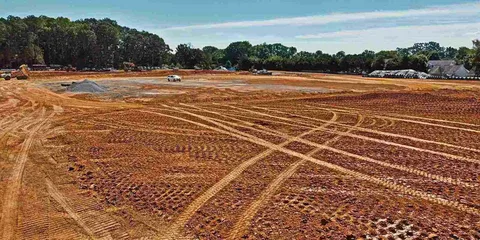
Site grading involves changing the elevation and shape of the ground to create a suitable surface for construction. Contractors may remove excess soil, fill low areas, or establish gradual slopes. These adjustments help create the conditions needed for foundations, concrete slabs, roads, and other structures.
In Richmond, TX, proper ground preparation deserves special attention because rainfall can expose drainage problems quickly. Water that collects around a building or paved surface may contribute to soil erosion, standing water, and surface deterioration. However, a carefully planned grading layout can direct runoff toward suitable drainage areas.
How Accurate Ground Preparation Supports Construction
A well-prepared site offers several practical benefits. First, it creates a more consistent base for construction activities. Second, it helps contractors establish the correct elevations before installing concrete or asphalt. Finally, it supports drainage planning and reduces the likelihood of water collecting in unwanted areas.
For example, a commercial parking lot needs an appropriate slope to guide rainwater toward designated drainage points. Likewise, a residential driveway needs a suitable elevation to provide access while directing water away from the garage and surrounding structures.
Experienced grading contractors assess these requirements before operating heavy equipment. They consider existing elevations, nearby structures, and the intended finished surface. Moreover, they coordinate grading with other construction activities to avoid unnecessary rework.
Property owners should also understand that grading alone cannot solve every drainage problem. Some sites require additional drainage systems, soil stabilization, or engineering recommendations. Consequently, contractors should evaluate the entire site rather than focus only on making the ground appear level.
How Professional Grading Services Prepare a Construction Site
Every construction site has different requirements. A vacant residential lot may need vegetation removal and general leveling, while a commercial property may require extensive earthmoving and precise elevation control. Therefore, contractors should develop a preparation plan that reflects the property’s condition and intended use.
Professional grading services involve more than moving dirt from one location to another. Contractors must understand the site’s layout, identify high and low points, and determine how the finished ground should perform.
Essential Steps for Reliable Site Preparation
Expert grading services begin with a clear assessment of the property. This initial review helps contractors identify potential obstacles before excavation or filling begins.
The following five practical steps help guide the process:
- Site assessment: Examine the existing terrain, access points, visible drainage issues, and nearby structures.
- Ground preparation: Remove vegetation, debris, and unsuitable materials when the project requires it.
- Elevation planning: Establish the required grades and identify areas that need cutting or filling.
- Soil placement: Move suitable soil into designated areas and distribute it according to the project plan.
- Final inspection: Check the finished elevations, surface consistency, and drainage direction before the next construction phase.
Additionally, contractors may use laser levels, surveying equipment, or other measurement tools to verify elevations. The specific equipment depends on the project’s size and accuracy requirements.
Houston Asphalt and Concrete can be considered when planning grading work connected to asphalt and concrete construction. However, property owners should confirm the company’s specific capabilities, equipment, project scope, and service availability before hiring.
Good planning also reduces delays. For instance, completing grading before paving helps crews prepare a more consistent base for the finished surface. As a result, the project can move forward with fewer avoidable interruptions.
Drainage, Soil Conditions, and Land Preparation
Water movement and soil stability influence how well a construction site performs over time. Even a surface that appears level may have drainage problems if contractors overlook its surrounding elevations. Similarly, unsuitable soil can affect how a prepared area responds to traffic, rainfall, and construction loads.
Property owners should consider these factors before choosing a grading plan. In addition, contractors need to evaluate the relationship between the soil, the intended structure, and the property’s drainage requirements.
Understanding Land Grading and Water Management
Reliable land grading services help establish elevations that support the planned use of a property. The objective is not always to make the entire site flat. Instead, contractors shape the ground to meet construction requirements while allowing water to move toward appropriate drainage locations.
Five practical considerations can improve the planning process:
- Existing slope: Identify how the land naturally directs water during rainfall.
- Soil quality: Determine whether the soil can support the intended work or needs further evaluation.
- Drainage outlets: Confirm where runoff can safely flow without creating problems for neighboring properties.
- Compaction needs: Establish whether the project requires testing or controlled compaction of placed soil.
- Erosion prevention: Consider temporary or permanent measures to limit soil movement during and after construction.
Furthermore, contractors should avoid directing runoff onto neighboring properties or public walkways. Drainage plans must account for applicable local requirements and site conditions.
However, grading is only one part of effective water management. Some properties may need catch basins, drainage pipes, swales, or other improvements. Therefore, complicated drainage concerns may require a qualified engineer or drainage specialist.
Driveway Grading for Residential and Commercial Properties
Driveways and access areas need more than an attractive finish. They must provide practical access, support expected traffic, and handle rainwater without developing avoidable surface problems. Proper preparation helps establish the slope and base conditions needed for a durable finished driveway.
In Richmond and Rosenberg, property owners should consider how rain affects their entrances, parking areas, and paved surfaces. A poorly prepared driveway may develop uneven areas or collect water near buildings. Therefore, contractors should assess the existing surface and underlying ground before recommending repairs or replacement.
Preparing a Stable Base for Driveways
Professional driveway grading services in Rosenberg, TX help establish the proper elevation and surface profile before paving or other finishing work begins. The exact preparation depends on the driveway material, soil conditions, vehicle loads, and drainage layout.
Five practical steps can help improve the process:
- Check existing conditions: Identify potholes, low spots, loose soil, and areas where water collects.
- Set the required slope: Establish a suitable surface profile that supports access and drainage.
- Prepare the subgrade: Remove unsuitable material and address weak areas according to project requirements.
- Compact the base: Apply the specified compaction process to create a more consistent supporting layer.
- Inspect before finishing: Confirm that the prepared surface meets the project’s elevation and drainage requirements.
Additionally, contractors should consider the connection between the driveway and the street, sidewalk, garage, or parking area. Poor transitions can create access problems and interfere with water movement.
Not every driveway needs complete reconstruction. Some surfaces require localized grading, while others have deeper base or drainage issues that need additional work. A site assessment helps determine the appropriate solution.
Finally, property owners should ask what materials and preparation methods the contractor plans to use. Clear explanations make it easier to understand the scope of work and avoid confusion about the finished result.
Choosing Qualified Grading Contractors for Your Project
Selecting a contractor involves more than comparing prices. Property owners should evaluate experience, project planning, equipment, communication, and the contractor’s understanding of site conditions. A clear proposal also helps establish expectations before work begins.
The right contractor should explain how the proposed grading plan supports the project’s intended use. Moreover, they should identify potential challenges rather than promise results without evaluating the property.
Five Ways to Evaluate a Grading Contractor
When comparing providers, consider these five practical points:
- Relevant experience: Ask about previous residential, commercial, paving, or concrete site preparation projects.
- Project assessment: Look for a contractor who evaluates elevations, drainage, and soil conditions before providing a final scope.
- Written estimates: Request a breakdown of labor, equipment, material handling, and additional work where applicable.
- Safety and compliance: Confirm that the contractor follows applicable safety requirements and local regulations.
- Communication: Choose a provider who explains the schedule, expected outcomes, and possible complications clearly.
Furthermore, ask whether the project requires surveying, soil testing, permits, or engineering input. These requirements vary by property and project type.
Before hiring Houston Asphalt and Concrete, confirm the company’s relevant grading experience, insurance coverage, references, and ability to complete the specific work. Property owners should also establish who will handle drainage concerns and any unexpected soil conditions.
Cost deserves careful consideration, but the lowest estimate may not include all necessary preparation. For example, one proposal may include soil removal and compaction, while another may cover only basic leveling. Consequently, comparing identical scopes of work provides a more useful picture of value.
A thorough selection process helps property owners make informed decisions and establishes a clearer path toward completing the project.
Maintaining Graded Surfaces After Construction
Proper grading provides a foundation for construction, but ongoing observation remains important. Rainfall, vehicle traffic, erosion, and nearby landscaping can change the way water moves across a property. Therefore, property owners should monitor graded areas after construction and address developing problems early.
Maintenance needs depend on the surface type and the site’s intended use. An unpaved access road may require periodic reshaping, while a paved driveway may need attention to cracks, settlement, and drainage issues.
Practical Ways to Protect a Graded Site
Reliable grading services should support the project’s long-term requirements, not just its initial appearance. Property owners can help protect the finished site by following several practical steps:
- Inspect after heavy rain: Look for standing water, erosion, and unexpected changes in drainage.
- Address low spots: Investigate areas where water repeatedly collects instead of simply covering the problem with loose soil.
- Protect exposed ground: Use suitable vegetation or erosion-control measures where the project requires them.
- Maintain drainage paths: Keep designated drainage areas clear of debris that could obstruct water flow.
- Monitor paved surfaces: Check for settlement, cracks, or uneven transitions that may indicate an underlying problem.
Additionally, avoid making major elevation changes without considering the existing drainage plan. Even a small adjustment can redirect water toward a building or neighboring property.
If a graded area develops recurring problems, a qualified contractor can inspect the surface and identify possible causes. The solution may involve reshaping the ground, improving drainage, or correcting an underlying soil issue.
Property owners should also keep project records, including grading plans and relevant inspection results. These documents can help future contractors understand the original design and make appropriate repairs.
Ultimately, regular inspections and timely maintenance help preserve the function of a prepared site. They also make it easier to identify concerns before they affect nearby structures or paved surfaces.
Conclusion
Proper site preparation plays a major role in the performance of residential and commercial construction projects. Accurate elevations, suitable soil preparation, and effective drainage help create a stable starting point for foundations, driveways, parking areas, and other improvements. In Richmond, TX, these considerations are particularly relevant when rainfall exposes weaknesses in the ground or existing drainage layout.
Property owners should begin by identifying the intended use of the site and evaluating its current conditions. Next, they should discuss elevation requirements, soil quality, drainage routes, and compaction needs with a qualified contractor. Furthermore, requesting a detailed estimate makes it easier to understand the proposed work and compare providers fairly.
Experienced grading contractors in Richmond, TX, can help property owners understand the preparation required for their projects. However, the right solution depends on the specific site, and some projects may require surveying, soil testing, or engineering guidance. Clear communication helps ensure that everyone understands the scope, schedule, and expected results.
Houston Asphalt and Concrete may be an option for property owners considering grading work related to asphalt or concrete construction. Before making a decision, confirm the company’s service availability, relevant experience, project requirements, and written estimate.
Finally, remember that grading does not end when construction begins. Monitoring drainage, inspecting surfaces after heavy rain, and addressing settlement early can help protect the finished property. With careful planning and appropriate maintenance, property owners can create better conditions for construction and reduce the likelihood of avoidable ground-related problems.
FAQs
What are grading services used for in construction?
Grading services shape and prepare land for construction. They establish required elevations, improve surface consistency, and help direct water toward appropriate drainage areas.
Why is proper grading important in Richmond, TX?
Heavy rainfall can expose drainage problems and contribute to erosion. Proper grading helps manage surface water and prepares the ground for construction.
How do contractors determine the correct site elevation?
Contractors evaluate site conditions and project plans. Depending on the project, they may use surveying equipment, elevation measurements, and engineering guidance.
Do all driveway projects require grading?
Not every driveway needs extensive grading. However, new installations and many repairs require some level of surface or base preparation to support drainage and stability.
How can property owners choose a reliable grading contractor?
Review relevant experience, written estimates, insurance coverage, project references, and the contractor’s approach to drainage and soil preparation. Confirm that the proposed work meets the project’s requirements.