Concrete surfaces play an important role in the safety, appearance, and function of residential and commercial properties. Driveways, sidewalks, parking lots, and patios handle daily traffic and exposure to changing weather. However, concrete can develop cracks, uneven areas, and surface damage over time. Proper installation and timely maintenance help property owners avoid larger problems.
Choosing reliable Concrete Paving and Repair services can help protect your investment and keep outdoor surfaces functional. The right approach depends on the condition of the existing concrete, the purpose of the surface, drainage requirements, and expected traffic. Therefore, understanding the construction and repair process helps you make informed decisions.
In Tomball, TX, property owners need concrete surfaces that can handle regular use and changing weather conditions. Heavy rainfall, moisture, soil movement, and temperature changes can affect concrete performance. Nearby communities such as Spring, TX, face similar challenges when maintaining driveways, walkways, and commercial pavement.
Houston Asphalt and Concrete helps property owners understand the practical considerations involved in concrete paving and maintenance. Knowing when to repair existing concrete, when to replace damaged sections, and how to maintain finished surfaces can make a significant difference. With proper planning and regular care, concrete can provide dependable service for many years.
Understanding Concrete Paving and Common Surface Problems
Concrete paving creates durable surfaces for vehicles, pedestrians, and outdoor activities. Property owners commonly use concrete for driveways, sidewalks, patios, loading areas, and commercial parking spaces. However, the quality of the finished surface depends on more than the concrete mixture.
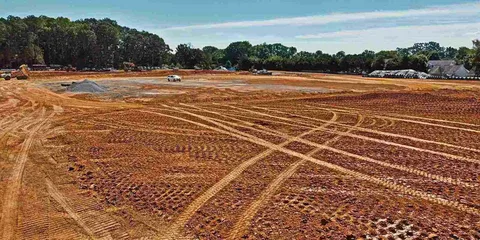
Site preparation, soil stability, drainage, reinforcement, and curing all influence the final result. If contractors overlook these factors, even newly installed concrete can develop problems earlier than expected.
What Causes Concrete to Crack or Deteriorate?
Concrete can crack for several reasons. Poor ground preparation may allow the surface to settle unevenly. Likewise, excessive water in the mixture, inadequate curing, and missing or poorly placed control joints can contribute to cracking.
Weather conditions also affect concrete performance. Heavy rain can expose drainage problems, while changing temperatures can contribute to expansion and contraction. Furthermore, standing water may weaken surrounding soil and increase the risk of settlement.
Property owners should pay attention to several warning signs:
- Hairline cracks that gradually become wider.
- Uneven sections that create trip hazards.
- Pitting, flaking, or crumbling along the surface.
- Water collecting near driveways or walkways.
- Damaged edges around joints and corners.
These problems do not always require complete replacement. A qualified contractor can inspect the damage and recommend an appropriate solution.
For example, a small, stable crack may need sealing, while extensive settlement may require removing and replacing the affected section. Therefore, an early inspection can help prevent minor defects from becoming more expensive repairs.
Planning Reliable Concrete Paving for Residential and Commercial Properties
Successful paving starts with a clear understanding of how the surface will be used. A residential driveway has different requirements from a commercial loading area. Consequently, contractors should evaluate traffic levels, ground conditions, drainage, and the intended lifespan before recommending a construction method.
Professional Concrete Paving and Repair requires careful planning at every stage. The goal is to create a stable surface that suits the property rather than applying the same solution to every project.
How to Choose the Right Paving Approach
Before selecting a paving solution, property owners should discuss the project’s practical requirements with an experienced contractor. The following considerations can help guide the process.
- Purpose: Identify whether the surface will support passenger vehicles, delivery trucks, pedestrians, or outdoor activities.
- Ground preparation: Confirm that the contractor will evaluate and compact the underlying soil or base material.
- Drainage: Plan the slope so water flows away from buildings and does not collect on the finished surface.
- Thickness and reinforcement: Select suitable specifications based on expected loads, soil conditions, and local requirements.
- Curing: Allow the concrete to cure properly before exposing it to heavy traffic.
Commercial properties may need additional planning to manage vehicle movements and minimize disruption. Meanwhile, homeowners may prioritize driveway access, appearance, and pedestrian safety.
A contractor should explain the proposed work, material choices, schedule, and expected maintenance needs. In addition, ask whether permits or inspections apply to the project.
Clear communication helps property owners compare estimates fairly. Rather than choosing a contractor based on price alone, review the scope of work and the preparation methods included in the proposal.
Concrete Repair Options for Damaged Driveways and Pavement
Not every damaged surface requires replacement. The appropriate repair depends on the type, location, and severity of the problem. Some defects affect only the surface, while others indicate deeper structural issues.
Reliable concrete repair contractors service inspect the surrounding area before recommending a repair method. This assessment helps determine whether the existing concrete can remain in place or whether damaged sections need replacement.
Selecting the Right Repair Method
Different concrete problems require different solutions. A repair that works for a small crack may not address extensive settlement or widespread deterioration.
Common repair options include:
- Crack sealing: Suitable products can seal certain cracks and reduce water penetration. However, sealing alone may not correct movement beneath the slab.
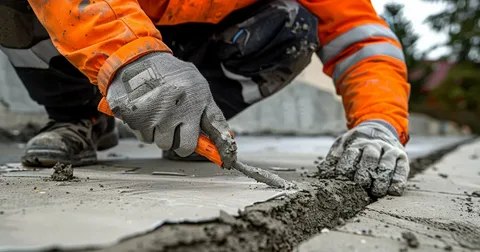
- Patching: Localized patches can address small areas of surface damage when the surrounding concrete remains stable.
- Slab leveling: Depending on the cause and condition, specialized lifting methods may help correct uneven concrete.
- Joint repair: Damaged joints may need cleaning and resealing to reduce water infiltration and debris buildup.
- Section replacement: Severely cracked, unstable, or extensively deteriorated sections may require removal and new concrete.
The repair process should also address the cause of the damage. For instance, repairing a driveway crack without correcting a nearby drainage problem may lead to recurring issues.
Property owners should ask contractors whether the proposed repair will restore structural performance or mainly improve the surface. This distinction matters when comparing quotes.
Ultimately, a careful assessment helps property owners select a practical solution instead of paying for unnecessary work.
Commercial Concrete Paving and Residential Maintenance Needs
Concrete surfaces serve different purposes across residential and commercial properties. Homeowners often need safe driveways, smooth walkways, and attractive patios. Businesses, on the other hand, may require parking areas, loading zones, accessible paths, and surfaces that accommodate frequent vehicle traffic.
Consequently, installation and maintenance plans should reflect the property’s daily demands.
Maintaining Surfaces in Tomball and Spring
Local conditions can influence how concrete performs over time. Rainfall, soil moisture, drainage patterns, and repeated traffic may contribute to wear or settlement. Therefore, property owners in Tomball and Spring should inspect their surfaces regularly.
Several maintenance practices can help protect concrete:
- Clean surfaces regularly: Remove dirt, leaves, and debris before they accumulate around joints and drainage areas.
- Monitor drainage: Check for standing water and investigate changes in how water moves across the property.
- Inspect cracks: Record changes in crack width, surface height, or nearby settlement.
- Protect edges: Avoid repeatedly driving heavy vehicles over unsupported slab edges.
- Schedule timely repairs: Address developing problems before water intrusion or continued movement makes them worse.
For businesses, commercial concrete paving should also support safe movement throughout the property. Clearly defined pedestrian routes, suitable surface slopes, and well-maintained access points can reduce hazards.
Residential properties benefit from similar attention. In particular, residential concrete repair can help address localized damage before it spreads across a driveway or walkway.
Property owners should also follow any maintenance instructions provided by the contractor. Appropriate care depends on the concrete finish, repair materials, exposure conditions, and intended use.
Choosing a Contractor and Understanding Project Costs
Selecting a contractor involves more than comparing estimates. Property owners should understand the proposed work, the materials involved, and the steps required to complete the project correctly.
A detailed estimate makes it easier to evaluate the actual value of a service. For example, one quote may include excavation, base preparation, and debris removal, while another may cover only the concrete installation.
What to Review Before Approving the Work
Before hiring a contractor, consider these practical points:
- Experience: Ask about previous projects involving similar surfaces and traffic conditions.
- Written estimates: Request a clear breakdown of labor, materials, preparation, removal, and cleanup.
- Insurance and licensing: Verify applicable insurance coverage and any required local licenses.
- Project schedule: Discuss site access, weather delays, curing time, and restrictions on using the finished surface.
- Warranty terms: Ask which defects are covered, how long coverage lasts, and what maintenance responsibilities apply.
Cost depends on several factors, including project size, concrete thickness, reinforcement, excavation needs, site accessibility, and the extent of existing damage.
Furthermore, unexpected soil problems or drainage corrections may increase the total cost. A responsible contractor should explain these possibilities before work begins whenever they can reasonably anticipate them.
Experienced concrete repair contractors in Spring, TX should also be willing to explain why they recommend a particular repair or replacement method. Clear answers help customers understand the project’s value and limitations.
For projects in Tomball or Spring, obtain estimates that describe comparable work. This approach makes it easier to evaluate differences in material specifications, preparation, and repair methods.
Finally, confirm that the contractor has documented the agreed scope before construction starts. Written details help prevent misunderstandings about project responsibilities and completion expectations.
Long-Term Benefits of Proper Concrete Paving and Repair
Well-planned concrete work can support daily property use while reducing the need for repeated maintenance. However, long-term performance depends on installation quality, suitable design, environmental conditions, and timely repairs.
Property owners should view maintenance as an ongoing responsibility rather than a task that ends when construction finishes.
How to Extend the Life of Concrete Surfaces
A consistent maintenance routine can help identify developing problems before they require major work. Regular inspections are especially useful after heavy rainfall, noticeable ground movement, or periods of intensive vehicle use.
Here are five practical ways to protect concrete:
- Inspect regularly: Look for cracks, uneven sections, damaged joints, and signs of settlement.
- Keep drainage clear: Prevent water from collecting near slabs, foundations, and pavement edges.
- Follow curing guidance: Respect the contractor’s instructions before allowing vehicles or heavy equipment onto new concrete.
- Use suitable cleaning methods: Choose cleaning products and tools appropriate for the concrete finish.
- Repair damage early: Ask a qualified professional to assess changes that may indicate structural problems.
In some situations, protective sealers may help reduce surface absorption or staining. However, their benefits depend on the product, surface condition, and exposure. Ask the contractor whether sealing is appropriate and how often the surface may need treatment.
For businesses, commercial concrete paving maintenance can also help preserve access routes and reduce disruptions caused by deteriorating pavement. Similarly, timely residential concrete repair may restore the usability of driveways and walkways.
Reliable Concrete Paving and Repair decisions begin with an accurate assessment and continue through regular maintenance. By understanding the property’s needs, homeowners and business owners can make practical choices that support safety, durability, and long-term value.
Conclusion
Concrete surfaces support many everyday activities, from parking vehicles to welcoming visitors and providing safe pedestrian access. However, cracks, uneven slabs, drainage issues, and surface deterioration can affect their usefulness over time. Proper planning and timely maintenance help property owners address these concerns before they become more difficult to manage.
For projects in Tomball, TX, and Spring, TX, start by evaluating the condition of the existing surface. Consider how the area is used, whether water drains properly, and whether the damage affects the surface or the underlying structure. These details help determine whether a targeted repair or complete replacement makes more sense.
When comparing contractors, review their preparation methods, material specifications, written estimates, and project timelines. In addition, ask about curing requirements and recommended maintenance after the work is complete. A clear understanding of these details can help prevent avoidable problems.
Property owners seeking reliable concrete repair contractors in Tomball, TX, should prioritize careful inspections, clear communication, and solutions that address the underlying cause of damage. The lowest estimate may not provide the best long-term value if it leaves important issues unresolved.
Ultimately, dependable pavement begins with sound construction practices and continues with regular care. By making informed decisions and responding to early signs of damage, property owners can keep their concrete surfaces functional, attractive, and safer for everyday use.
FAQs
How long can a concrete driveway last?
A properly installed and maintained concrete driveway can often last several decades. Its lifespan depends on installation quality, soil conditions, drainage, traffic, and maintenance.
When should concrete be repaired instead of replaced?
Repair may work when the damage is limited and the surrounding slab remains stable. Extensive cracking, major settlement, or widespread deterioration may require replacement.
What causes cracks in concrete pavement?
Common causes include soil movement, poor drainage, inadequate base preparation, shrinkage during curing, and repeated loading. An inspection can help identify the likely cause.
How soon can vehicles use newly poured concrete?
Many residential projects require around seven days before regular passenger vehicles use the surface, although conditions and specifications vary. Full design strength is commonly assessed at 28 days. Always follow the contractor’s instructions.
How can property owners maintain concrete surfaces?
Clean surfaces regularly, keep drainage clear, inspect cracks and joints, avoid excessive edge loading, and arrange repairs when damage develops. Follow any product-specific maintenance guidance.