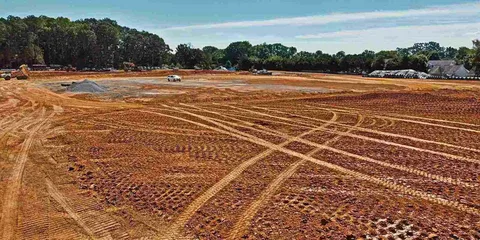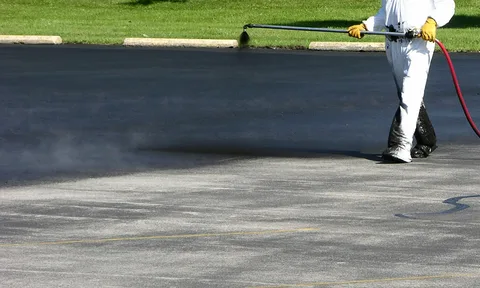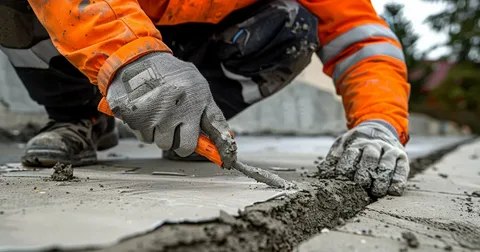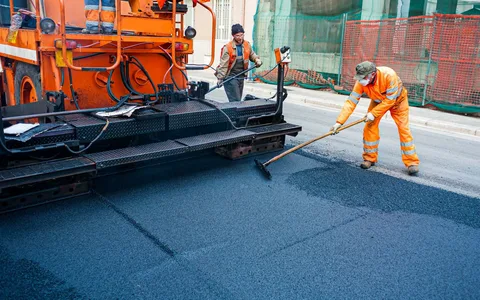
A well-prepared property starts with properly shaped and leveled ground. Site grading helps create a stable surface for construction, improve drainage, and prevent water from collecting around buildings. Without proper grading, properties may experience soil erosion, uneven surfaces, standing water, and foundation concerns. Therefore, property owners should consider ground conditions before starting construction or outdoor improvements.
In Richmond, TX, changing weather and heavy rainfall can create drainage challenges. Poorly prepared land may allow water to move toward structures instead of flowing away. Additionally, uneven ground can affect driveways, parking areas, landscaping, and building foundations. Proper preparation helps reduce these risks and supports long-term property maintenance.
Houston Asphalt and Concrete understands how ground preparation affects residential and commercial properties. A carefully planned grading project considers soil conditions, property slopes, drainage patterns, and the intended use of the land. Furthermore, experienced contractors evaluate the site before selecting suitable equipment and grading methods.
Choosing reliable grading services can help property owners prepare their land for construction and improve existing outdoor areas. From minor surface adjustments to larger site preparation projects, the right approach creates a more functional and stable property.
Understanding the Importance of Professional Site Grading
Site grading involves adjusting the ground surface to achieve the required elevation, slope, and shape. Contractors remove excess soil, fill low areas, and create suitable ground levels for different property needs. Consequently, proper grading supports construction projects and improves the performance of outdoor spaces.
A poorly graded property can create several problems. Rainwater may collect near foundations, damage paved surfaces, or wash away loose soil. Moreover, uneven ground can make construction work more difficult and increase preparation costs.
How Proper Ground Preparation Protects Your Property
Professional contractors begin by examining existing ground conditions. They identify high and low areas, check natural water movement, and determine the required finished elevations.
For example, a residential property may need a gentle slope away from the house. A commercial development may require carefully planned elevations for buildings, parking lots, and access roads.
Here are several benefits of proper grading:
- Improved drainage: Directs surface water toward suitable drainage areas.
- Better stability: Creates a more consistent surface for construction.
- Reduced erosion: Helps control soil movement during rainfall.
- Construction readiness: Prepares land for foundations and pavement.
- Improved usability: Makes outdoor areas easier to maintain and access.
Furthermore, professional grading requires more than simply moving dirt. Contractors must understand elevation changes and how they affect surrounding areas. Therefore, proper planning helps prevent drainage problems from transferring to neighboring properties.
How Reliable Grading Services Improve Drainage and Stability
Drainage plays a major role in maintaining residential and commercial properties. When water cannot flow away naturally, it may collect in low areas and create ongoing maintenance concerns. However, properly planned ground elevations help guide water toward appropriate drainage locations.
Professional affordable grading services can address uneven surfaces and improve the overall layout of a property. Contractors assess the existing slope before making adjustments. They also consider nearby structures, paved areas, and natural drainage patterns.
Planning Effective Grading Services for Different Properties
Every property has different grading requirements. Therefore, contractors should develop a plan based on the site’s purpose and existing conditions.
For example, residential projects may require surface leveling around homes, while commercial developments often need larger grading areas.
Five practical considerations help guide the process:
- Property inspection: Identify drainage issues and uneven ground.
- Elevation planning: Establish suitable finished ground levels.
- Water management: Direct runoff away from buildings.
- Soil assessment: Understand the soil’s ability to support planned improvements.
- Surface preparation: Create consistent conditions for future construction.
Additionally, contractors should consider how rainfall affects the property throughout the year. Richmond experiences weather conditions that make effective water management especially useful.
Choosing Experienced Site Grading Contractors in Richmond, TX
Selecting the right contractor can influence the quality and durability of a grading project. Experienced professionals understand how soil conditions, equipment selection, and elevation planning affect the finished surface.
However, property owners should not choose a contractor based on price alone. They should also evaluate project experience, communication, equipment capabilities, and the proposed work plan.
What to Look for in a Grading Contractor
Reliable expert site grading contractors should explain the preparation process clearly. They should also identify potential challenges before beginning the work.
Consider these five practical points when comparing contractors:
- Relevant experience: Look for experience with projects similar to yours.
- Site evaluation: Ask whether the contractor inspects the property first.
- Clear estimates: Request a detailed explanation of labor and equipment costs.
- Drainage knowledge: Confirm that the contractor understands water flow and slope requirements.
- Project communication: Choose professionals who explain timelines and progress.
Furthermore, ask how the contractor plans to protect nearby structures and existing landscaping. This discussion helps establish realistic expectations.
Houston Asphalt and Concrete provides property improvement solutions that involve proper surface preparation and ground planning. Property owners should discuss their project requirements before work begins.
Ultimately, a qualified contractor focuses on both immediate results and the long-term performance of the property.
Residential and Commercial Applications of Ground Grading
Grading supports many types of property improvement projects. Residential homeowners may need ground preparation for driveways, patios, landscaping, or home additions. Meanwhile, commercial property owners often require larger areas prepared for buildings, parking spaces, and access routes.
Although the basic principles remain similar, each project requires a different approach. Contractors must consider the property’s size, intended use, soil conditions, and drainage requirements.
Preparing Different Surfaces for Long-Term Use
Residential projects often focus on improving everyday property functions. For instance, uneven ground near a driveway can create water collection and surface problems.
Professional reliable driveway grading services in Rosenberg, TX help establish suitable slopes and prepare surfaces for paving. However, the contractor must evaluate existing pavement and soil before recommending adjustments.
Commercial projects require additional planning because they often involve larger paved areas and more complicated drainage patterns.
Five practical applications include:
- Home construction: Prepare land for foundations and building work.
- Driveway improvements: Correct uneven surfaces and support proper drainage.
- Parking areas: Establish suitable elevations for vehicle access.
- Commercial developments: Prepare larger sites for planned structures.
- Landscape preparation: Shape outdoor areas for functional use.
Additionally, contractors may need to coordinate grading with excavation, utility installation, and drainage work. This coordination helps avoid unnecessary changes later.
Property owners in Richmond and surrounding communities should explain the intended use of their land before requesting a grading estimate.
Essential Steps Before Starting a Grading Project
Successful grading begins with preparation. Before moving soil, contractors need to understand the property’s existing conditions and the owner’s goals. This planning stage helps reduce mistakes and supports a more organized project.
Furthermore, grading can affect drainage beyond the immediate work area. Therefore, contractors should consider nearby properties, sidewalks, roads, and existing structures.
Five Practical Steps for Better Project Planning
A clear preparation process makes it easier to manage expectations and identify potential challenges.
Consider these five steps:
- Define project goals: Decide whether the work involves construction, drainage, or surface improvement.
- Inspect the property: Identify uneven areas, standing water, and soil concerns.
- Check site requirements: Determine whether permits or professional surveys are necessary.
- Plan drainage: Establish where surface water should flow.
- Discuss the schedule: Confirm equipment access, preparation time, and project expectations.
Moreover, property owners should ask contractors about soil compaction. Proper compaction helps create a stable base for many construction and paving applications.
Weather also affects grading work. Heavy rainfall can change soil conditions and delay certain activities. Consequently, contractors may need to adjust their schedules.
Good planning helps property owners understand the work involved and make informed decisions before construction begins.
Maintaining Your Property After Professional Grading
Completing a grading project does not mean property maintenance should stop. Soil conditions can change over time because of rainfall, construction activity, erosion, and regular outdoor use.
Therefore, property owners should inspect graded areas periodically. Early attention to minor changes can help prevent larger problems.
Simple Maintenance Practices That Support Ground Stability
Professional commercial grading services help prepare land for business properties, parking areas, and other developments. However, regular inspections remain useful after project completion.
Consider these five maintenance practices:
- Inspect after heavy rain: Look for standing water and unusual runoff.
- Monitor soil movement: Check for erosion or developing low spots.
- Maintain drainage paths: Keep suitable water channels free from debris.
- Check paved surfaces: Watch for uneven areas or signs of settlement.
- Address changes early: Consult a contractor when drainage or surface problems appear.
Additionally, avoid placing heavy equipment on recently prepared soil without confirming its stability. Excessive loads can affect unfinished surfaces.
Property owners should also maintain gutters and drainage outlets. Blocked drainage systems can create water problems even when the original grading work was completed correctly.
Regular attention helps preserve the benefits of ground preparation. It also makes future property improvements easier to manage.
Conclusion
Proper ground preparation plays an important role in protecting property value and supporting successful construction. From residential improvements to commercial developments, grading helps establish suitable elevations, improve drainage, and create stable surfaces. Therefore, property owners should evaluate their land before beginning major outdoor or construction projects.
Richmond, TX, has residential and commercial properties with different ground preparation requirements. Some projects need minor surface adjustments, while others require detailed elevation planning and drainage improvements. Additionally, nearby communities such as Rosenberg have properties that may benefit from professional site preparation.
Working with experienced contractors helps property owners understand soil conditions, project requirements, and suitable grading methods. Furthermore, a proper inspection can identify potential concerns before they become expensive maintenance issues.
For homeowners planning driveway improvements, reliable driveway grading services in Richmond, TX, can help prepare surfaces for better drainage and everyday use. Commercial property owners can also benefit from professional planning that considers parking areas, building locations, and water management.
Before starting a project, discuss your goals, request a detailed estimate, and ask about the contractor’s preparation process. Clear communication helps everyone understand the expected results.
Houston Asphalt and Concrete can help property owners explore suitable solutions for their ground preparation and surface improvement needs. A well-planned grading project provides a practical starting point for a more functional and properly prepared property.
FAQs
What are grading services used for?
Grading services adjust ground elevations and slopes to prepare land for construction, improve drainage, and create more stable surfaces.
Why is proper site grading important in Richmond, TX?
Proper grading helps manage rainwater, reduce soil erosion, and prevent water from collecting near buildings and paved areas.
How do I know if my property needs grading?
Standing water, uneven surfaces, soil erosion, and drainage problems may indicate that your property needs professional evaluation.
How long does a typical grading project take?
Project duration depends on property size, soil conditions, equipment requirements, weather, and the amount of grading involved.
Can grading improve an existing driveway?
Yes. Driveway grading can correct certain uneven surfaces and improve water movement. However, damaged pavement may require additional repairs or replacement.