A smooth, durable pavement makes a property more accessible, attractive, and practical. From residential driveways to commercial parking lots, a well-planned surface supports daily traffic and helps reduce maintenance problems. Property owners in Katy, TX, often deal with heavy rain, summer heat, and changing weather conditions. Therefore, choosing the right paving materials and installation methods can make a noticeable difference in pavement performance.
Professional planning also helps prevent common issues such as standing water, surface cracks, and premature wear. Reliable asphalt paving provides a practical option for properties that need a durable, smooth surface without unnecessary maintenance complications. However, long-term results depend on more than the asphalt itself. Proper grading, a stable foundation, suitable drainage, and correct installation all contribute to pavement quality.
Houston Asphalt and Concrete helps property owners understand the factors that influence paving projects, from preparing the site to maintaining the finished surface. Homeowners may need a new driveway, while commercial property managers may require parking areas that accommodate regular vehicle traffic.
Additionally, understanding repair options and maintenance requirements helps property owners make informed decisions. Whether a project involves a new surface or an aging pavement, careful preparation and timely attention can improve its service life. The following guide explains essential paving considerations for properties in Katy and nearby Houston, TX.
Understanding the Benefits of Asphalt Pavement
Asphalt is a widely used paving material for residential driveways, parking lots, private roads, and other paved areas. Its combination of flexibility, smoothness, and practical installation makes it suitable for many property types. However, the quality of the finished surface depends heavily on site conditions and construction methods.
Before selecting a paving solution, property owners should consider how they use the area, how much traffic it receives, and what maintenance they can manage. These factors help determine whether asphalt suits the project.
Why Asphalt Works for Different Properties
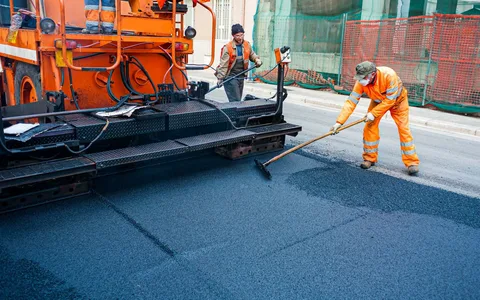
A properly installed asphalt surface creates a consistent driving area that supports everyday vehicle movement. Moreover, its dark finish provides a neat appearance that complements many residential and commercial properties.
Asphalt can also accommodate different project sizes. For example, a homeowner might need a short driveway, while a business could require a large parking lot with marked spaces and designated access lanes.
Here are several practical benefits to consider:
- Smooth vehicle access: A properly finished surface provides comfortable access for cars and light commercial vehicles.
- Flexible applications: Asphalt works for driveways, parking areas, private lanes, and selected access roads.
- Repair options: Contractors can address many surface problems without replacing the entire pavement.
- Defined appearance: Clean edges and a consistent finish help maintain the property’s overall presentation.
- Maintenance planning: Regular inspections help identify minor problems before they spread.
Nevertheless, asphalt requires a suitable foundation and effective drainage. Poor preparation can cause settling, cracks, or surface deterioration even when the visible finish initially looks good.
Property owners should also consider expected traffic loads. Areas that regularly accommodate delivery trucks may require a different pavement design from a private residential driveway.
Planning a Successful Asphalt Paving Project
A successful paving project starts before the first layer of asphalt reaches the site. Contractors need to assess the existing ground, determine the intended use, and identify potential drainage concerns. These steps help establish the requirements for a stable, long-lasting surface.
Furthermore, property owners should discuss access needs, project boundaries, and any existing pavement damage before work begins. Clear planning reduces confusion and helps keep the project aligned with its intended purpose.
Reliable Asphalt Paving Begins with Proper Preparation
Reliable asphalt paving requires careful attention to the ground beneath the finished surface. Even high-quality materials can fail when the supporting base lacks strength or proper drainage.
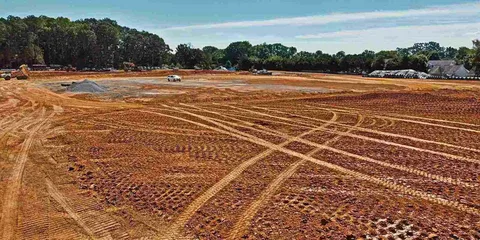
A contractor should examine the soil conditions and existing pavement before recommending a construction approach. Depending on the site, preparation may involve removing damaged material, correcting grades, compacting the base, and managing water runoff.
Consider these five practical planning steps:
- Assess the site: Identify uneven ground, drainage problems, and existing pavement damage.
- Define the project: Determine the required surface area and the types of vehicles that will use it.
- Prepare the foundation: Establish a stable base that can support the expected traffic.
- Plan water management: Direct runoff away from buildings and vulnerable pavement edges.
- Review the proposal: Confirm the work area, materials, preparation methods, and project scope.
Additionally, ask the contractor to explain the proposed pavement thickness and base requirements. These specifications should reflect the site’s conditions and expected loads rather than follow a single standard for every property.
For properties in Katy and Houston, effective drainage deserves particular attention. Heavy rainfall can expose grading problems and allow water to weaken the pavement’s supporting layers.
A clear plan also helps property owners understand which conditions might affect cost, scheduling, and long-term maintenance.
Residential and Commercial Paving Considerations
Residential driveways and commercial parking lots share some construction principles, but their requirements can differ considerably. A residential driveway generally serves household vehicles, while a commercial surface may experience frequent turning, deliveries, and heavier traffic.
Therefore, contractors should evaluate each property according to its intended use. Choosing the right construction method helps reduce premature wear and supports safer vehicle movement.
Choosing the Right Service for Your Property
For homeowners, residential asphalt paving service can create a smooth driveway that improves everyday access. The project may involve a new driveway, replacement of a deteriorated surface, or improvements to an existing paved area.
Commercial properties often require additional planning. Parking spaces, entrance lanes, loading areas, and pedestrian routes must work together. Consequently, the contractor should consider traffic flow and the weight of vehicles using the property.
Five practical considerations can guide the decision:
- Residential traffic: Account for household vehicles and any regular service or delivery vehicles.
- Commercial traffic: Identify loading areas and locations that experience frequent vehicle turning.
- Surface dimensions: Measure the driveway or parking area accurately before preparing the estimate.
- Access requirements: Maintain suitable entry and exit routes during planning and construction.
- Future use: Consider whether planned property improvements could increase traffic or require additional paving.
Moreover, commercial asphalt paving projects may need parking space markings, accessible routes, suitable slopes, and clearly defined traffic patterns. Property owners should discuss applicable building codes and accessibility requirements with qualified professionals.
For businesses, a well-organized parking lot can improve vehicle circulation and make better use of available space. However, the design should also account for drainage and pedestrian safety.
Residential projects benefit from similar attention to detail. Properly shaped edges, a stable base, and thoughtful water management help protect the driveway and surrounding landscaping.
Recognizing Pavement Damage and Repair Needs
Asphalt surfaces gradually change with regular use and exposure to weather. Small cracks, faded areas, loose aggregate, and depressions can indicate developing maintenance needs. Recognizing these signs early helps property owners decide whether a localized repair or a larger rehabilitation project makes sense.
However, not every crack requires the same treatment. The cause, depth, location, and extent of damage all influence the appropriate repair method.
When to Contact Asphalt Repair Contractors
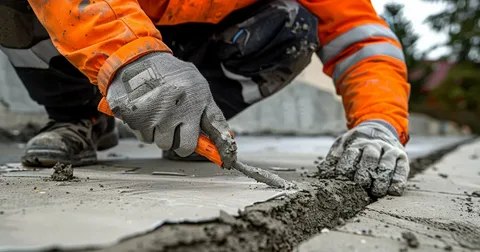
Experienced asphalt repair contractors can inspect pavement problems and explain the available options. A surface crack may require sealing, while deeper damage could indicate a problem with the base or drainage system.
Before selecting a repair, consider these five practical points:
- Inspect visible cracks: Look for widening cracks, interconnected patterns, and recurring damage.
- Check for depressions: Low areas may collect water and suggest problems beneath the surface.
- Notice loose material: Crumbling edges or loose aggregate can indicate surface deterioration.
- Examine drainage: Standing water may contribute to pavement damage and should not be ignored.
- Compare repair options: Ask whether localized repairs, resurfacing, or reconstruction best address the underlying problem.
Additionally, asphalt repair contractors in Houston, TX should explain what caused the damage and how their proposed solution addresses it. Simply covering a damaged area may not resolve an unstable base or persistent water intrusion.
The timing of repairs also matters. Small defects can allow water to enter pavement layers, especially when cracks remain untreated during wet weather. Therefore, regular inspections can help property owners identify problems before they affect larger areas.
Property owners should request a clear explanation of the recommended work, including preparation, materials, and any limitations. This information makes it easier to compare estimates and understand expected results.
Maintaining Asphalt for Long-Term Performance
Routine maintenance helps preserve pavement appearance and identifies problems before they become more expensive to address. Although asphalt can handle regular vehicle use, its performance depends on traffic, installation quality, drainage, and environmental exposure.
A consistent inspection schedule allows property owners to monitor changes and arrange appropriate repairs. Furthermore, maintenance requirements may vary between a lightly used driveway and a busy commercial parking lot.
Practical Ways to Protect Your Pavement
Property owners can take several straightforward steps to maintain their paved surfaces. These actions support pavement condition, although they cannot eliminate normal wear or compensate for poor construction.
Consider these five maintenance practices:
- Inspect regularly: Examine the pavement for cracks, potholes, loose material, and drainage problems.
- Keep surfaces clean: Remove accumulated dirt, leaves, and debris that may obstruct drainage.
- Address water problems: Correct drainage issues before water weakens the pavement foundation.
- Arrange timely repairs: Treat suitable cracks and localized damage before deterioration spreads.
- Follow maintenance advice: Ask the contractor when to consider sealcoating and other protective treatments.
In addition, avoid assuming that every asphalt surface needs the same maintenance schedule. The correct timing depends on pavement condition, climate exposure, traffic levels, and the manufacturer’s or contractor’s recommendations.
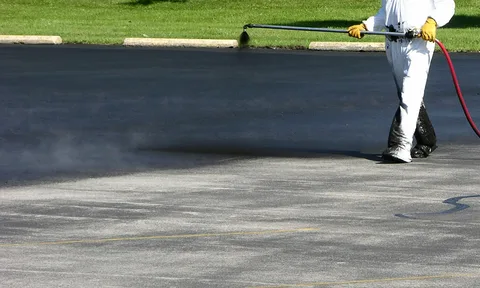
Sealcoating can help protect suitable asphalt surfaces from moisture and oxidation. However, it does not repair structural failures, deep potholes, or an unstable foundation. Those problems require appropriate repairs first.
After installation, follow the contractor’s guidance regarding when vehicles can use the new surface. Temperature, material conditions, and installation methods can affect curing and initial use recommendations.
Finally, keep records of inspections and completed repairs. These records help property owners recognize recurring problems and make better decisions about future maintenance.
Conclusion
A well-planned pavement can improve property access, create a cleaner appearance, and support everyday vehicle movement. However, achieving reliable results requires more than selecting asphalt. Proper site preparation, a stable foundation, effective drainage, and suitable construction methods all influence the finished surface.
Property owners should evaluate their needs before starting a project. For example, a residential driveway may require a different design from a commercial parking lot that handles frequent deliveries. Likewise, visible cracks or uneven areas deserve attention because they can indicate underlying drainage or foundation problems.
When comparing contractors, ask about site preparation, material selection, pavement thickness, project scheduling, and maintenance recommendations. A detailed estimate should explain the proposed work and identify any conditions that could affect the final result. These conversations help property owners make informed decisions instead of focusing on price alone.
For homeowners seeking reliable residential asphalt paving in Katy, TX, evaluating drainage, driveway dimensions, and expected vehicle use can help establish the right project requirements. Businesses should also consider parking layouts, traffic patterns, and accessibility when planning improvements.
Property owners dealing with deteriorating pavement may benefit from consulting qualified asphalt repair contractors in Katy and Houston, TX. An inspection can help determine whether localized repairs, resurfacing, or more extensive reconstruction offers the most practical solution.
Ultimately, regular inspections and timely maintenance can help extend pavement service life. By combining sound construction practices with realistic maintenance planning, property owners can keep their paved areas functional and attractive for years.
FAQs
What affects the cost of asphalt paving in Katy, TX?
Project size, site preparation, pavement thickness, material requirements, drainage improvements, and accessibility can all affect the total cost.
How long does an asphalt driveway last?
Its service life depends on installation quality, traffic, climate exposure, drainage, and maintenance. Regular inspections and timely repairs can help extend its useful life.
When should I repair an asphalt surface?
Consider an inspection when you notice cracks, potholes, standing water, crumbling edges, or uneven areas. Early evaluation can help identify the appropriate repair.
Is asphalt suitable for commercial parking lots?
Yes. Asphalt can suit many commercial parking areas when contractors design the pavement for expected traffic, vehicle loads, drainage, and site conditions.
How can I maintain an asphalt driveway?
Keep the surface clean, monitor drainage, inspect for cracks, and arrange repairs when needed. Follow professional recommendations for sealcoating and other maintenance treatments.