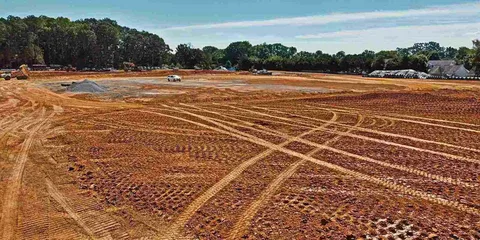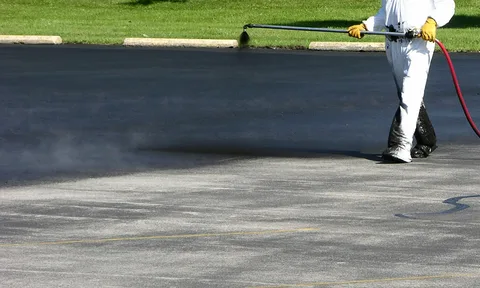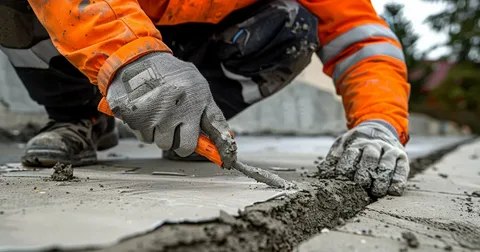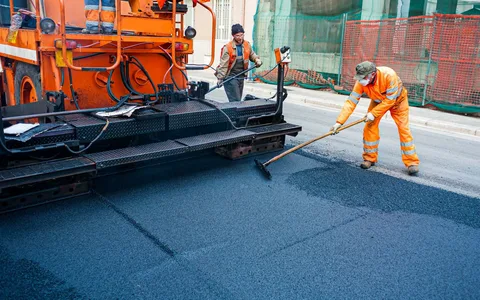
A well-prepared property starts with properly shaped and leveled ground. Before building a driveway, installing landscaping, or starting a construction project, property owners need to consider how the land handles water and supports future improvements. Uneven surfaces, low spots, and poor drainage can create problems over time.
Professional land preparation helps create a stable surface while directing rainwater away from important areas. In Richmond, TX, changing weather and heavy rainfall make proper ground preparation especially valuable. Nearby properties in Rosenberg also benefit from thoughtful grading before major outdoor improvements.
Reliable expert Grading Services help property owners address uneven terrain, improve surface drainage, and prepare land for different projects. The right approach depends on soil conditions, property layout, drainage patterns, and the intended use of the space.
Houston Asphalt and Concrete understands the importance of preparing outdoor surfaces correctly. Careful planning and suitable grading methods can help reduce future maintenance concerns. Moreover, a properly prepared property provides a better starting point for driveways, concrete installations, landscaping, and other improvements.
Understanding the grading process allows property owners to make informed decisions. It also helps them recognize potential ground issues before those problems affect construction or everyday property use.
Why Proper Land Grading Matters for Your Property
Land grading does more than make a property look level. It shapes the ground to support drainage, improve accessibility, and create suitable conditions for construction. Without proper preparation, uneven surfaces can affect everything from outdoor walkways to building foundations.
In Richmond, rainfall can expose weaknesses in poorly graded areas. Water may collect in low spots, soften the soil, or flow toward structures. Consequently, property owners should consider drainage before beginning outdoor projects.
How Professional Grading Supports Property Conditions
Experienced contractors evaluate the existing terrain before moving soil. They identify high areas, low points, and natural water-flow patterns. Then, they determine how much adjustment the property needs.
The goal is not always to create a completely flat surface. Instead, proper grading establishes suitable slopes that help water move toward appropriate drainage areas.
Here are several benefits of professional ground preparation:
- Improved drainage: Proper slopes help reduce unwanted standing water.
- Better surface stability: Correct preparation supports future construction.
- Improved accessibility: Even surfaces make outdoor areas easier to navigate.
- Reduced erosion concerns: Appropriate slopes can help manage surface runoff.
- Project readiness: Graded land provides a suitable starting point for improvements.
Furthermore, professional reliable Grading Services can help property owners identify existing ground problems before construction begins.
The final grading plan should always consider the property’s surroundings. Water should not be redirected toward neighboring properties or public walkways. Local drainage requirements also deserve attention.
How Expert Grading Services Prepare Land for Construction
Construction projects require more than moving soil from one location to another. Contractors must understand the property’s existing conditions and prepare the ground according to the project’s requirements.
For example, a future concrete driveway needs a suitable base and proper surface elevation. Similarly, landscaping projects require ground preparation that supports healthy drainage and stable outdoor surfaces.
What Happens During Professional Ground Preparation?
Professional affordable Grading Services typically begin with an evaluation of the property. Contractors examine soil conditions, existing slopes, drainage concerns, and the planned use of the area.
The preparation process may include several important steps:
- Site assessment: Contractors inspect the terrain and identify problem areas.
- Ground clearing: They remove unwanted vegetation, debris, and other obstructions when necessary.
- Soil adjustment: Crews cut high areas and fill low spots according to the project plan.
- Surface shaping: Equipment creates the required slopes and elevations.
- Final inspection: Contractors review the prepared surface for consistency and drainage.
Each project requires a different approach. Some properties need minor adjustments, while others require more extensive earthwork.
Additionally, contractors should consider soil composition and moisture conditions. Soil that contains too much moisture may require additional preparation before construction.
For larger projects, property owners may also need professional surveying or engineering guidance. This helps ensure the grading plan meets applicable construction and drainage requirements.
Common Signs Your Property Needs Professional Grading
Many property owners overlook grading problems until they notice standing water or uneven outdoor surfaces. However, early identification can make property improvements easier to plan.
Richmond and Rosenberg properties may experience drainage challenges due to rainfall, soil conditions, and changes in surrounding development. Therefore, regular property inspections can help identify areas that need attention.
Warning Signs to Watch For
Look for these common indicators around your property:
- Standing water: Puddles remain in the same areas after rainfall.
- Uneven ground: Certain sections appear noticeably higher or lower.
- Soil erosion: Rainwater carries soil away from exposed areas.
- Poor driveway conditions: The surface develops uneven sections or drainage problems.
- Water near structures: Runoff collects close to buildings instead of moving away.
These problems do not always require extensive earthwork. Sometimes, targeted adjustments can address the underlying issue.
Experienced professional grading contractors in Rosenberg, TX evaluate the entire area rather than focusing on one visible problem. They consider where water originates, how it moves, and where it should drain.
Property owners should also understand that grading alone may not solve every drainage concern. Some situations require additional drainage solutions, such as suitable swales or drainage systems.
A proper assessment helps determine the most suitable solution for each property.
Choosing the Right Grading Contractors for Your Project
Selecting a contractor is an important part of any land preparation project. The quality of the work can influence drainage performance, surface stability, and the condition of future improvements.
However, property owners should look beyond the lowest estimate. A reliable contractor should understand the project requirements and explain the proposed work clearly.
Five Things to Consider Before Hiring
Use these practical points when comparing contractors:
- Relevant experience: Look for contractors familiar with residential and commercial grading projects.
- Project assessment: Choose professionals who inspect the property before recommending work.
- Equipment suitability: Different projects require different machinery and preparation methods.
- Clear estimates: Ask for details about labor, equipment, materials, and project scope.
- Local knowledge: Contractors familiar with Richmond and Rosenberg may better understand regional site conditions.
Moreover, ask how the contractor plans to manage water runoff. A clear explanation shows that drainage forms part of the project rather than an afterthought.
Houston Asphalt and Concrete provides a point of contact for property owners planning asphalt, concrete, and related outdoor improvements. Before proceeding, discuss the specific grading requirements and confirm which services the project includes.
It also helps to request information about project timelines and site preparation. Weather, soil moisture, and project size can affect the schedule.
Finally, confirm that the proposed work follows applicable local requirements. This step helps prevent avoidable complications during construction.
Understanding Driveway Grading and Long-Term Surface Performance
Driveways need proper ground preparation to provide a dependable surface. Even quality paving materials can experience problems when contractors install them over poorly prepared ground.
Driveway grading helps establish suitable elevations and slopes before paving or other surface work begins. It also helps manage rainwater and reduce unwanted pooling.
Five Practical Considerations for Better Driveway Preparation
Before starting a driveway project, consider these important factors:
- Existing ground conditions: Inspect the soil for soft spots, uneven areas, and unstable sections.
- Water direction: Plan slopes that direct runoff away from buildings and neighboring properties.
- Base preparation: Establish a suitable foundation according to the selected driveway material.
- Surface elevation: Consider connections to garages, sidewalks, roads, and existing concrete.
- Future maintenance: Plan for drainage and surface conditions that remain manageable over time.
Professional driveway grading services can address uneven terrain before installation begins. However, the correct method depends on the driveway design, soil conditions, and expected vehicle use.
For example, a residential driveway may require different preparation from a commercial access road. Heavier traffic can place additional demands on the supporting base.
Additionally, contractors should check the finished slope before installing the final surface. Small elevation problems can affect water movement and everyday usability.
Proper preparation does not eliminate every future maintenance concern. Nevertheless, it gives the driveway a more suitable foundation and helps reduce problems associated with poor ground conditions.
Conclusion
Preparing land correctly is an important part of maintaining a functional and attractive property. From residential construction to driveway installation, grading influences how outdoor spaces perform over time. Therefore, property owners should address uneven ground and drainage concerns before starting major improvements.
Richmond and Rosenberg property owners can benefit from understanding their property’s soil conditions, natural slopes, and water-flow patterns. A professional assessment helps identify the work required and prevents unnecessary ground adjustments.
Furthermore, choosing experienced contractors makes it easier to plan each stage of the project. Property owners should discuss their goals, compare detailed estimates, and confirm that the proposed work addresses drainage and surface stability.
For those planning outdoor improvements, reliable grading contractors in Richmond, TX can help establish suitable ground conditions for future construction and paving projects. The right preparation also supports better results when installing driveways, concrete surfaces, or landscaping features.
Ultimately, successful land preparation starts with a clear understanding of the property. Careful evaluation, appropriate equipment, and proper grading methods can help create a stable surface that serves its intended purpose.
Taking time to prepare the ground properly can make future property improvements easier to manage and maintain.
FAQs
What are grading services used for?
Grading services shape and level land to improve drainage, prepare construction areas, and create suitable surfaces for outdoor improvements.
How do I know if my property needs land grading?
Standing water, uneven ground, soil erosion, and poor surface drainage can indicate a need for professional grading.
How long does a typical grading project take?
The timeline depends on property size, soil conditions, weather, equipment requirements, and the amount of ground adjustment needed.
Can grading improve driveway drainage?
Yes. Proper driveway grading establishes suitable slopes that help rainwater flow away from the driveway and nearby structures.
Do I need professional contractors for land grading?
Professional contractors can assess elevations, soil conditions, and drainage requirements to determine an appropriate grading approach for your property.