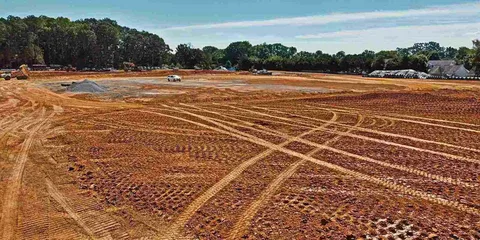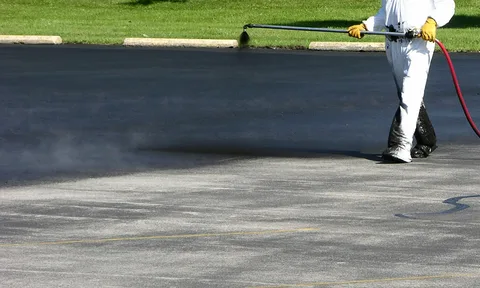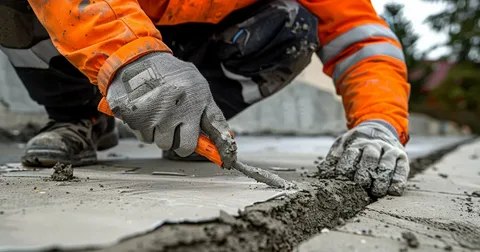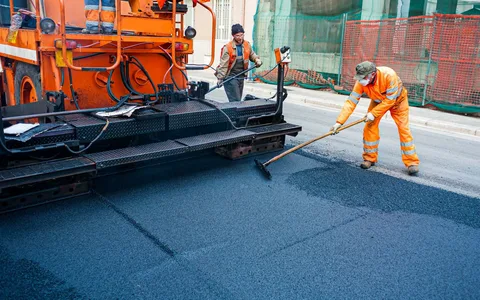
A commercial parking lot needs a properly prepared surface to support vehicle movement and manage rainwater. Uneven ground, poorly planned slopes, and low areas can cause water to collect, affect pavement conditions, and create inconvenience for customers and employees. Houston Asphalt and Concrete provides paving and site preparation services for commercial properties, including grading work that helps prepare areas for pavement installation and improvement. Planning the ground levels before paving can help create a more functional parking area.
Why Parking Lot Grading Matters for Commercial Properties
Grading establishes the shape, elevation, and slope of the ground before or during a paving project. In a commercial parking lot, these details influence how vehicles move across the property and where rainwater flows. A properly graded area can help direct water toward suitable drainage points instead of allowing it to collect in parking spaces, drive lanes, or near building entrances.
Poor grading can create several problems. Low areas may hold standing water, while incorrect slopes can direct runoff toward buildings or neighboring properties. Uneven ground can also make it difficult to install a consistent pavement surface. Addressing these conditions during site preparation can reduce complications during later construction stages.
Grading is important for both new parking lots and existing paved areas undergoing major improvements. For new construction, it helps establish the foundation and planned elevations. For existing properties, a grading assessment can identify ground or drainage concerns that may need attention before resurfacing, repairs, or other pavement work.
Common Signs That a Parking Lot Needs Grading Attention
Commercial property owners may notice several signs that indicate the ground levels or drainage arrangements need professional evaluation. Some problems appear gradually, while others become noticeable after heavy rainfall or changes to the surrounding property.
Standing Water After Rain
Water that remains in parking spaces or drive lanes after rainfall may indicate low spots or unsuitable surface slopes. Persistent pooling can inconvenience visitors and may contribute to pavement deterioration if water repeatedly enters cracks or damaged sections. The location and extent of the water should be assessed to identify whether grading adjustments or drainage improvements are needed.
Uneven Pavement and Depressions
Depressions can develop when the supporting ground settles or when the pavement structure loses stability. These areas may collect water and create uneven driving conditions. Grading alone may not correct every depression, particularly if the pavement or underlying base has already failed. The contractor should determine whether ground preparation, pavement repair, or reconstruction is necessary.
Runoff Moving Toward Buildings
A parking lot should be planned so surface water does not unnecessarily flow toward building entrances, foundations, or other vulnerable areas. If runoff repeatedly moves toward a structure, the existing elevations and drainage paths may need to be reviewed. Correcting the slope may be part of the solution, depending on the site’s layout and available drainage outlets.
Uneven Transitions and Access Areas
The areas where parking lots connect with sidewalks, entrances, loading spaces, and access roads need suitable elevations. Poor transitions can create awkward changes in surface height and affect vehicle movement. These locations should be included in the grading plan rather than treated as separate details after the main area has been prepared.
How Commercial Parking Lot Grading Is Completed
Commercial parking lot grading requires a planned approach that considers the property’s existing ground, intended pavement layout, and drainage requirements. The work should be based on site conditions rather than applying the same slope or elevation to every commercial property.
1. Site Inspection and Assessment
The process begins with reviewing the property and identifying its existing elevations, low spots, slopes, and drainage patterns. Contractors also consider the locations of buildings, sidewalks, access roads, parking spaces, and other features that affect the proposed layout.
This assessment helps establish what needs to change before paving or improvement work begins. If the site already has drainage structures, their positions and condition should also be considered when planning the grading work.
2. Establishing Elevations and Slopes
After the inspection, the proposed ground levels and slopes can be planned. The goal is to create a practical surface profile that supports vehicle movement and directs runoff toward suitable drainage locations.
The plan should account for the entire parking area, not just individual low spots. Drive lanes, parking rows, entrances, and pedestrian routes need to connect properly. A suitable layout helps avoid creating new drainage problems while correcting existing ones.
3. Clearing and Preparing the Ground
Before grading begins, the work area may need to be cleared of vegetation, debris, loose material, and other obstacles. If unsuitable soil or unstable material is present, it may need to be removed or addressed according to the project requirements.
Proper preparation gives the grading equipment access to the work area and helps establish a more consistent surface. The amount of preparation depends on whether the project involves undeveloped ground, an existing parking lot, or an area being rebuilt.
4. Cutting, Filling, and Shaping the Surface
Grading may involve cutting higher areas and using suitable fill material to raise lower sections. The ground is shaped according to the planned elevations and slopes. This work should be controlled carefully so that the finished profile supports the intended pavement design.
Fill material may need to be placed in suitable layers and compacted to provide stable support. Simply adding soil to a low area without proper preparation can lead to settlement and uneven surfaces later.
5. Compaction and Final Checks
Once the surface has been shaped, compaction helps create a stable foundation for the next construction stage. The prepared area should then be checked against the project requirements, including elevations, slopes, and transitions.
If asphalt or concrete paving is planned, the grading work must be suitable for the pavement structure being installed. Final checks help identify areas that need adjustment before paving begins.
Commercial Parking Lot Grading in Spring, TX
Commercial properties in Spring can include retail locations, offices, warehouses, and other businesses with different parking and access requirements. A busy retail property may need clearly defined parking rows and drive lanes, while a warehouse may require wider areas for delivery vehicles and loading access. The grading plan should reflect these uses and the property’s physical layout.
Rainwater management is an important part of planning a commercial site. Property owners should consider where runoff currently collects and whether the existing drainage paths are suitable for the planned improvements. Low areas near entrances, loading zones, and parking spaces may require particular attention during the site assessment.
Businesses researching commercial site grading in Spring, TX can visit the commercial paving and grading services in Spring, TX area page for local service information. A site inspection can help determine the grading work needed before new pavement is installed or an existing parking area is improved.
Parking Lot Grading Considerations for Businesses in Houston, TX
Houston commercial properties vary in size and layout, from small business parking areas to larger facilities with multiple access points. The grading requirements depend on the available land, existing pavement, building positions, and expected vehicle activity. A plan for a compact parking lot may not be appropriate for a larger commercial site with delivery lanes and separate customer parking.
Property owners should also consider nearby surfaces and drainage connections. Changes to one part of a parking lot can affect how water moves across adjoining areas. For example, raising a section without reviewing the surrounding elevations may redirect runoff toward another parking row or building entrance.
Businesses looking for parking lot drainage solutions in Houston, TX can review the commercial paving and grading services in Houston, TX area page. The proposed work should account for the full site so grading improvements support the property’s access, pavement, and drainage requirements.
How Grading Supports Asphalt and Concrete Paving
Grading is an important part of preparing a site for new pavement. Asphalt and concrete surfaces need a suitable foundation, and the ground beneath them should be shaped according to the planned pavement levels. If the preparation is inconsistent, the finished surface may develop uneven areas or drainage concerns.
For asphalt projects, the prepared ground and base need to support the planned pavement structure. The grading process helps establish the required elevations before the base and asphalt layers are installed. This preparation is particularly important in commercial parking lots where vehicles regularly turn, stop, and move between parking spaces.
Concrete paving also requires attention to elevations and drainage. Concrete parking areas, walkways, and access sections should connect properly with adjoining surfaces. Their slopes and finished heights need to be considered during site preparation so water does not collect in unwanted locations.
Surface water management should remain part of the project throughout planning and construction. Property owners should discuss existing drainage structures, runoff routes, and low areas with the contractor before work begins. Grading can help establish suitable surface slopes, but it must be coordinated with the property’s overall drainage arrangements.
Maintaining a Commercial Parking Lot After Grading
After grading and paving improvements are complete, regular inspections can help property owners identify developing issues. Check the parking lot after rainfall to see whether water drains as expected. New puddles or recurring wet areas may indicate a change in the surface, a blocked drainage point, or another condition that needs investigation.
Property managers should also inspect paved sections for cracks, potholes, and settlement. These problems may develop because of traffic, water movement, or changes in the supporting ground. Addressing damage when it first appears can help prevent it from spreading across larger sections of the parking area.
Keep drainage inlets and other water collection points clear of leaves, litter, and debris. Blocked drainage structures can prevent runoff from leaving the property as intended. Parking lot markings should also be maintained so drivers can identify parking spaces, traffic lanes, and pedestrian routes.
A planned parking lot maintenance schedule can help businesses monitor pavement conditions and arrange repairs when needed. Houston Asphalt and Concrete provides paving, grading, repair, and related services that property owners can discuss when planning improvements to their commercial sites.
Choosing a Contractor for Commercial Site Grading
The contractor should understand how grading affects the entire property, including pavement installation, vehicle access, and drainage. Before approving a project, business owners should ask how the existing elevations will be assessed and how the proposed surface profile will be established.
A clear project estimate should explain the preparation work, grading activities, material requirements, and compaction procedures. It should also identify whether additional pavement or drainage work is included. If the site has existing low spots, damaged pavement, or drainage concerns, these issues should be discussed before construction begins.
Commercial property owners should also confirm how the work may affect business operations. Depending on the size of the site, grading and paving activities may require temporary restrictions around entrances, parking rows, or delivery areas. A clear work plan can help businesses prepare for these changes and maintain access where possible.
Experienced contractors should explain the difference between correcting ground elevations, repairing damaged pavement, and installing drainage improvements. These activities may work together, but they address different site conditions. Understanding the proposed scope helps property owners make informed decisions about the project.
Improve Your Commercial Property With Professional Parking Lot Grading
A properly graded parking lot supports pavement installation, vehicle access, and effective surface drainage. The work begins with understanding the existing ground and planning suitable elevations for the entire property. Site preparation, cutting and filling, compaction, and final checks all contribute to creating a suitable foundation for paving.
Commercial parking lot grading should be planned around the property’s layout, traffic requirements, and drainage conditions. Businesses in Spring and Houston should evaluate these factors before installing new pavement or improving an existing parking area. Addressing ground and surface concerns during planning can help reduce avoidable problems during later construction.
Houston Asphalt and Concrete provides commercial paving, asphalt repair, overlays, grading, and other pavement services in the Houston area. Business owners can discuss their site requirements with the team and request an assessment to determine which preparation and paving services may be appropriate for their property.