A well-built parking lot is an important part of a commercial property’s functionality, appearance, and accessibility. Businesses need parking areas that can handle regular vehicle traffic while providing organized spaces for customers, employees, and deliveries. Houston Asphalt and Concrete helps commercial property owners plan paving projects with attention to site conditions, surface requirements, and long-term performance. Choosing the right materials and installation process can help create a parking area that supports daily business operations.
Concrete is a practical option for commercial properties that need a firm, stable pavement surface. It can be used for customer parking spaces, employee parking areas, access lanes, loading zones, and other paved sections. However, a successful project involves more than pouring concrete over an existing surface. Proper planning, grading, drainage, and base preparation all contribute to the quality of the finished parking lot.
Commercial concrete parking lot installation should begin with an evaluation of the property and its intended use. The size of the parking area, expected vehicle traffic, ground conditions, drainage requirements, and layout all influence the work involved. Reviewing these details before construction helps property owners understand the project’s requirements and avoid problems that could affect the finished pavement.
Planning a Commercial Parking Lot for Daily Business Traffic
Every commercial property has different parking requirements. A retail center may need clearly organized customer parking, while a warehouse may require wider access lanes for delivery vehicles. Office buildings often need convenient spaces near entrances, accessible parking areas, and pedestrian routes connecting different sections of the property.
The layout should account for how vehicles enter, move through, and leave the parking area. Turning space, parking dimensions, traffic flow, and pedestrian access should be considered before construction begins. A poorly planned layout can create unnecessary congestion and make the finished parking lot less convenient for visitors.
Property owners should also consider future business needs. If the site may require additional parking, expanded access areas, or changes to its traffic pattern, these possibilities should be reviewed during the planning stage. A practical design can make the property easier to use and reduce the likelihood of major layout changes later.
Site Evaluation and Concrete Installation Requirements
Before construction begins, the existing property should be inspected to identify conditions that could affect pavement performance. The ground may contain soft areas, uneven elevations, standing water, or sections of old pavement that need to be removed. Identifying these conditions helps determine the preparation work required before concrete placement.
For commercial concrete parking lot installation, the property must be evaluated for its soil condition, expected loads, drainage pattern, and surface elevation. These factors help determine how the site should be prepared and what construction requirements should be considered. The installation plan should also account for areas where vehicles regularly turn, stop, or carry heavier loads.
Working with experienced commercial concrete parking lot installation professionals can help property owners address the main construction requirements, including site preparation, concrete placement, and surface finishing. The appropriate approach depends on the property’s condition and the intended use of the parking area.
Why Proper Grading Matters Before Concrete Placement
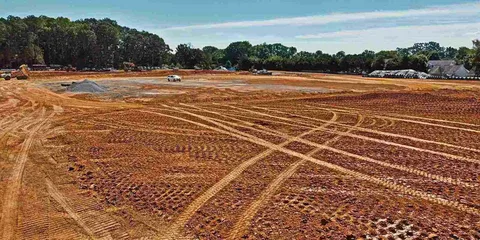
Grading establishes the elevations and slopes needed for a functional parking surface. If the site is not graded correctly, water may collect in low areas or move toward building entrances. Standing water can create inconvenience for customers and may contribute to surface deterioration over time.
The grading process involves preparing the ground to achieve the planned elevations. High areas may need to be reduced, while low sections may require additional material to create a suitable foundation. The goal is to establish a stable surface that supports the planned pavement layout and allows water to move toward appropriate drainage areas.
Commercial properties should not rely on the concrete surface alone to correct drainage problems. Water management needs to be considered before the pavement is installed. Existing drains, nearby structures, surrounding ground levels, and the direction of water flow should all be reviewed during site preparation.
Proper grading also helps create consistent pavement thickness and supports the installation process. When the ground is uneven or unstable, the finished concrete may not perform as expected. Addressing these conditions early can help reduce avoidable construction issues.
Preparing a Stable Base for Commercial Concrete Paving
The base beneath a concrete parking lot plays an important role in supporting the finished pavement. A properly prepared foundation helps distribute vehicle loads and provides a consistent surface for concrete placement. If the base is weak or uneven, the pavement may experience settlement, cracking, or other performance problems.
Site preparation may involve removing unsuitable soil, correcting soft areas, placing appropriate base material, and compacting the foundation. The exact work depends on the property’s existing conditions and the requirements of the project. Areas expected to carry heavier vehicles may need particular attention during the preparation stage.
Commercial concrete paving requires coordination between excavation, grading, base preparation, and concrete placement. Each stage should be completed with the next stage in mind. For example, the prepared base should provide the necessary support and elevations before the concrete is placed.
Property owners should avoid treating base preparation as an unnecessary construction expense. Problems beneath the pavement can be difficult to address after the parking lot is complete. Proper preparation helps establish the conditions needed for a stable and functional surface.
Concrete Placement and Surface Finishing
Once the site and base are ready, the concrete placement stage can begin. The concrete must be distributed according to the planned parking lot dimensions and construction requirements. Workers need to maintain the intended surface elevations and thickness while ensuring that the material is properly placed across the prepared area.
Finishing is another important part of the process. The surface should be finished to provide a practical texture for vehicle and pedestrian use. The required finish may vary depending on whether the concrete is used for standard parking spaces, access lanes, walkways, or other sections of the property.
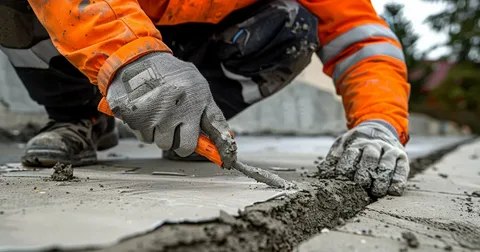
Control joints should also be included as part of the construction plan. Concrete naturally expands, contracts, and responds to changes in temperature and moisture. Properly planned joints help manage where cracking may occur as the material changes over time.
After placement and finishing, the concrete needs appropriate curing time. Allowing the material to cure under suitable conditions helps it develop strength. Vehicle traffic should not be introduced before the pavement is ready for use. Following the construction team’s guidance about curing and access restrictions is important for protecting the new surface.
Concrete Parking Lot Construction for Katy Businesses
Commercial properties in Katy include retail locations, offices, industrial facilities, and other businesses with different parking requirements. Each site needs a layout and pavement plan that reflects its daily traffic, available space, and drainage conditions.
For property owners considering concrete parking lot contractors in Katy, the project should be evaluated based on more than the visible surface. Site preparation, base stability, pavement layout, and finishing all contribute to the completed parking area. A clear construction plan can help business owners understand how the work will be carried out and what the property needs before installation begins.
You can explore concrete paving services in Katy, TX to learn more about paving solutions available for local properties. Whether the project involves a new parking area or improvements to an existing paved section, the property’s specific conditions should guide the construction approach.
Concrete Parking Lot Projects in Richmond, TX
Richmond commercial properties may have different site conditions depending on the property’s age, ground elevations, and existing pavement. Some projects involve developing a new parking area, while others require replacing an outdated surface or improving sections that no longer meet the property’s needs.
Before construction, property owners should review the condition of the ground and determine whether existing drainage patterns could affect the new pavement. Areas with uneven elevations or poor water movement may require additional preparation before concrete placement. The parking layout should also provide practical access for customers, staff, and service vehicles.
Businesses looking for commercial concrete paving in Richmond, TX can consider the property’s intended use, available space, and long-term maintenance requirements when planning a project. More information about local paving services is available on the Richmond, TX service area page.
Benefits of a Properly Installed Concrete Parking Area
Concrete parking areas can offer several practical advantages for commercial properties when they are designed and installed according to site requirements.
- Stable driving surface: A properly prepared concrete pavement provides a firm surface for regular vehicle movement.
- Organized parking layout: Concrete installation can support clearly defined parking spaces, access lanes, and pedestrian areas.
- Long-term functionality: Appropriate base preparation, drainage, and construction practices help support pavement performance.
- Suitable for different property uses: Concrete can be used for customer parking, employee areas, access sections, and other commercial applications.
- Professional property appearance: A clean and well-planned parking area can improve the overall presentation of a business location.
These advantages depend on the property’s conditions and the quality of the installation. Concrete is not automatically suitable for every site, so the expected traffic, ground stability, drainage, and project budget should be considered before selecting a pavement material.
Maintaining a Commercial Concrete Parking Lot
After installation, regular inspections can help property owners identify developing issues before they become more difficult to manage. Small cracks, damaged joints, surface wear, and drainage concerns should be reviewed as part of routine property maintenance.
Debris should be removed from the parking area to keep the surface clean and reduce the chance of blocked drainage points. Property managers should also pay attention to areas where water collects after rainfall. Persistent pooling may indicate that drainage or surface elevations need further evaluation.
Vehicle traffic should be managed according to the intended use of the pavement. Repeated heavy loads in areas that were not designed for them may contribute to premature damage. Loading zones, delivery routes, and turning areas should receive particular attention during inspections.
If damage develops, the affected section should be assessed to determine its cause and the appropriate repair method. Surface cracks may have different causes than settlement or broken pavement sections. A proper assessment helps determine whether localized repair or more extensive work is needed.
Choosing the Right Contractor for a Commercial Concrete Project
Selecting a contractor is an important decision for any commercial paving project. Property owners should look for a team that understands the complete installation process, from initial site evaluation to final surface finishing. A contractor should be able to explain the work required and how site conditions may influence the project.
Ask about the proposed grading, drainage planning, base preparation, concrete placement, and curing process. These details provide a clearer understanding of how the parking area will be constructed. It is also useful to discuss the expected project schedule and how construction may affect access to the business.
Reliable concrete parking lot contractors should consider the property’s actual requirements instead of recommending the same construction approach for every site. A retail parking area, industrial access lane, and office parking lot may have different traffic patterns and functional needs.
Houston Asphalt and Concrete provides paving-related services for property owners who need practical solutions for commercial and residential surfaces. Reviewing the property’s condition and installation requirements helps establish a suitable plan for the project.
Build a Functional Commercial Parking Area
A successful commercial parking lot depends on careful planning and a consistent installation process. Site evaluation, grading, base preparation, drainage, concrete placement, and curing all contribute to the finished surface. Addressing these stages properly can help create a parking area that supports business activity and provides convenient access for customers and employees.
For businesses planning commercial concrete parking lot installation in Katy or nearby Richmond, the property’s size, traffic requirements, and ground conditions should guide the project. A well-planned approach can help avoid preventable construction issues and support the long-term use of the paved area.
Houston Asphalt and Concrete can help property owners review their paving needs and consider suitable solutions for their commercial properties. Contact the team to discuss your project and determine the work required for a functional concrete parking area.