Faded asphalt, spreading surface cracks, and worn parking areas can make a property look neglected. Homeowners and business owners considering professional asphalt seal coating services in Katy, TX, often want to preserve their existing pavement before minor wear becomes a more expensive problem. A properly applied seal coat creates a protective surface layer that helps reduce exposure to sunlight, moisture, and everyday traffic.
Houston-area weather places considerable demands on asphalt. Strong sunlight accelerates oxidation, while heavy rainfall can contribute to pavement deterioration when water enters existing cracks. However, seal coating works best on pavement that remains structurally sound. Deep potholes, unstable foundations, and significant depressions require appropriate repairs before protective coatings are applied.
Houston Asphalt and Concrete provides asphalt paving, seal coating, repairs, and pavement maintenance for residential and commercial properties throughout Greater Houston, including Katy and Tomball.
Proper surface preparation, suitable application conditions, and an appropriate maintenance schedule all influence the finished result. Property owners who understand these factors can make better decisions about protecting their driveways, parking lots, and access roads.
How Asphalt Seal Coating Protects Existing Pavement
Asphalt contains binding materials that gradually deteriorate through sunlight exposure, oxidation, and regular traffic. As the surface ages, it may lose its dark appearance and become increasingly vulnerable to wear.
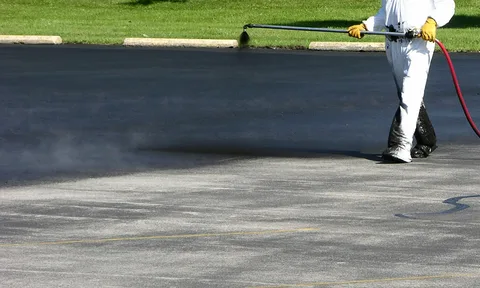
Professional asphalt seal coating services apply a protective coating over suitable existing pavement. This treatment can reduce surface exposure to damaging environmental conditions while restoring a more uniform appearance.
Key Benefits of Asphalt Seal Coating
- Surface Protection: Helps limit oxidation caused by sunlight and environmental exposure.
- Moisture Resistance: Reduces water penetration through the coated surface.
- Improved Appearance: Restores a darker, more consistent asphalt finish.
- Easier Maintenance: Creates a more uniform surface for routine cleaning.
- Preventive Care: Supports pavement maintenance when combined with timely repairs.
Seal coating does not restore a damaged foundation or eliminate structural cracking. Therefore, contractors should inspect existing pavement before recommending treatment.
When Should You Schedule Asphalt Seal Coating?
Timing affects coating adhesion, curing, and overall surface performance. Applying sealant to damaged, wet, or contaminated pavement can reduce the quality of the finished application.
Property owners seeking reliable driveway seal coating services should evaluate pavement conditions rather than relying on a fixed maintenance schedule.
Signs Your Asphalt May Need Attention
Watch for these five conditions:
- Faded Color: Asphalt has changed from dark black to a dull gray.
- Minor Surface Wear: The upper pavement layer shows early signs of deterioration.
- Previous Coating Wear: Older protective coatings have gradually worn away.
- Small Cracks: Limited cracking requires evaluation and possible repairs.
- Water Exposure: Rainwater frequently collects or moves across vulnerable areas.
Homeowners considering residential asphalt driveway sealing in Katy, TX should also assess drainage and surface stability.
Furthermore, newly installed asphalt needs adequate curing before seal coating. The required waiting period depends on pavement conditions and the coating manufacturer’s specifications.
Preparing Asphalt Surfaces Before Seal Coating
Surface preparation directly affects how well a protective coating bonds to asphalt. Dust, loose debris, oil contamination, and damaged pavement can interfere with application.
Experienced asphalt seal coating contractors inspect the surface and complete necessary preparation before applying sealant.
Essential Steps in Surface Preparation
A typical project involves five important activities:
- Pavement Inspection: Identify cracking, potholes, and unstable sections.
- Surface Cleaning: Remove dirt, leaves, and loose materials.
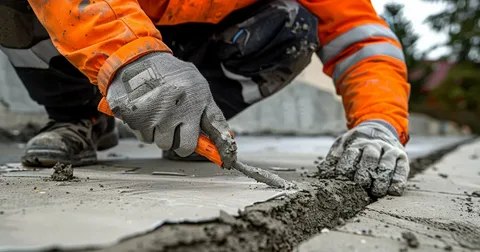
- Crack Treatment: Address suitable cracks with compatible repair materials.
- Oil Spot Preparation: Treat contaminated areas according to product requirements.
- Application Planning: Check weather conditions and establish appropriate work boundaries.
For example, coating over loose debris may prevent proper bonding. Similarly, untreated cracks can continue allowing water into the pavement.
Careful preparation supports more consistent coverage and helps property owners avoid unnecessary repeat applications.
Residential Driveway and Commercial Parking Lot Seal Coating
Driveways and commercial parking lots experience different traffic patterns. Residential surfaces generally support passenger vehicles, while business properties may accommodate delivery trucks, frequent turning movements, and continuous parking activity.
Therefore, commercial parking lot seal coating requires planning around vehicle loads, operating schedules, and the condition of existing pavement.
Important Differences Between Residential and Commercial Projects
Five factors influence the approach:
- Traffic Volume: Commercial surfaces often experience more frequent vehicle movement.
- Surface Dimensions: Larger parking areas require coordinated application sections.
- Access Requirements: Businesses may need phased work to maintain essential access.
- Existing Pavement Damage: High-traffic areas can develop concentrated wear.
- Parking Markings: Striping may require renewal after the coating cures.
Business owners exploring parking lot asphalt maintenance in Tomball, TX should coordinate coating schedules with daily operations.
Additionally, customers and employees must remain off treated areas until the coating meets reopening requirements. The contractor should explain the expected curing conditions before work begins.
Understanding Asphalt Seal Coating Costs
Seal coating prices depend on pavement size, surface condition, preparation requirements, and accessibility. A driveway with minor wear generally requires less preparation than a commercial parking area with multiple cracks and damaged sections.
Property owners comparing affordable asphalt seal coating services should review the complete project scope instead of focusing exclusively on the lowest quote.
Factors That Influence Seal Coating Pricing
Consider these five expenses:
- Pavement Area: Larger surfaces require more coating material and labor.
- Cleaning Requirements: Heavy debris or oil contamination may need additional preparation.
- Crack Repairs: Existing damage can increase the work required before coating.
- Application Conditions: Property access and project scheduling may affect labor.
- Additional Services: Parking lot striping or pavement repairs may involve separate charges.
Additionally, severely damaged pavement may need patching or resurfacing instead of routine coating.
A detailed estimate should explain surface preparation, coating application, included repairs, and expected access restrictions.
Choosing a Qualified Asphalt Seal Coating Contractor
Contractor selection affects preparation quality, application consistency, and communication throughout the project. Property owners should work with professionals who evaluate pavement conditions before recommending maintenance.
Houston Asphalt and Concrete offers asphalt maintenance solutions that include seal coating, surface preparation, repairs, and related paving work.
What to Check Before Hiring a Contractor
Consider these five qualifications:
- Relevant Experience: Review previous driveway and parking lot projects.
- Pavement Assessment: Confirm that existing damage receives proper evaluation.
- Material Selection: Ask about coating products and application requirements.
- Written Estimates: Review preparation, labor, and included services.
- Project Scheduling: Discuss weather conditions, curing, and reopening procedures.
A dependable contractor should explain when seal coating is suitable and when more extensive pavement repairs are necessary.
Moreover, clear project communication helps homeowners and businesses plan around temporary access restrictions.
Conclusion
Asphalt seal coating can help property owners maintain existing pavement while improving its appearance and resistance to routine environmental exposure. However, the effectiveness of this treatment depends on pavement condition, preparation quality, and proper application.
Homeowners in Katy, TX, should inspect driveways for fading, minor cracking, and surface wear before scheduling maintenance. Likewise, commercial property managers should evaluate parking areas, traffic patterns, drainage, and access requirements.
Choosing expert asphalt seal coating services in Katy, TX provides an opportunity to address surface deterioration before it develops into more extensive damage. Property owners should also understand that seal coating cannot correct unstable pavement or significant structural problems.
For businesses in Tomball, TX, coordinating pavement maintenance with operating schedules helps reduce unnecessary disruption.
Houston Asphalt and Concrete provides seal coating, asphalt repair, and related paving solutions for residential and commercial properties throughout the surrounding Houston communities.
Regular inspections, timely repairs, and suitable protective treatments can help preserve pavement condition. Rather than waiting until widespread deterioration occurs, property owners can use a planned maintenance approach to manage long-term pavement expenses.
FAQ’s
What does asphalt seal coating do?
Seal coating adds a protective layer over suitable asphalt pavement. It helps reduce surface exposure to sunlight, oxidation, moisture, and everyday wear while refreshing the pavement’s appearance.
How often should asphalt driveways be seal coated?
Many asphalt surfaces are evaluated for recoating every two to three years. However, the appropriate interval depends on traffic, weather exposure, pavement condition, and coating specifications.
Can seal coating repair cracks and potholes?
No. Seal coating does not repair structural damage. Contractors should address potholes, significant cracks, and unstable sections using appropriate repair methods before applying the coating.
How long does asphalt seal coating take to dry?
Drying and curing depend on temperature, humidity, sunlight, and the coating product. Contractors should confirm when the treated surface can safely reopen to vehicles.
Is seal coating suitable for commercial parking lots?
Yes. Seal coating can help maintain commercial asphalt surfaces that remain structurally sound. Projects require careful scheduling, surface preparation, and appropriate traffic restrictions.