Asphalt pavement plays an important role in the safety, appearance, and usability of residential and commercial properties. A smooth driveway makes daily parking easier, while a well-maintained parking lot helps customers and employees move around a business. However, cracks, potholes, poor drainage, and uneven surfaces can affect both appearance and functionality.
Houston Asphalt and Concrete provides paving and repair solutions for property owners who need practical improvements to their paved surfaces. Every property has different requirements. Therefore, selecting the right materials, preparing the ground, and addressing drainage problems can make a meaningful difference in the finished result.
Property owners considering reliable Asphalt Paving Services should understand the complete process before starting a project. Proper installation involves more than spreading asphalt. It requires evaluating the site, preparing a stable base, placing the material correctly, and compacting the surface.
Moreover, existing pavement may not always require complete replacement. Some surfaces can benefit from targeted repairs or resurfacing, depending on the condition of the underlying foundation. A professional assessment helps determine the most suitable option.
From residential driveways to commercial parking areas, thoughtful planning supports better pavement performance. By understanding installation methods, maintenance needs, and common warning signs, property owners can make informed decisions about their next paving project.
Understanding Asphalt Paving and Its Benefits
Asphalt is widely used for driveways, parking lots, access roads, and other vehicle surfaces. It creates a relatively smooth driving area and can accommodate many residential and commercial applications. However, the quality of the finished pavement depends on preparation, materials, drainage, and installation practices.
Why Asphalt Works for Different Properties
Asphalt offers several practical advantages. Its dark, uniform finish creates a neat appearance, while its flexible structure helps it accommodate some movement in the ground. Additionally, contractors can use asphalt for new installations, repairs, and certain resurfacing projects.
Property owners researching professional Asphalt Paving Services should consider how the surface will be used. A residential driveway may experience only a few vehicles each day. In contrast, a commercial parking lot may handle frequent traffic, delivery vehicles, and heavier loads.
Here are five important considerations:
- Daily traffic: Match pavement design to the number and type of vehicles using the surface.
- Ground conditions: Evaluate soil stability before selecting the construction approach.
- Drainage: Plan slopes that direct water away from vulnerable areas.
- Surface dimensions: Account for vehicle access, turning space, and entry points.
- Long-term maintenance: Consider the upkeep required to keep the pavement serviceable.
Furthermore, asphalt may suit projects where property owners want a practical, consistent surface. However, no material is ideal for every location. Site conditions, budget, intended use, and maintenance expectations should guide the final decision.
Planning a Successful Asphalt Installation
A successful paving project begins before the asphalt arrives. Contractors need to understand the site’s existing condition, intended use, and drainage requirements. Without proper preparation, even a new surface can develop problems prematurely.
Essential Steps Before Paving Begins
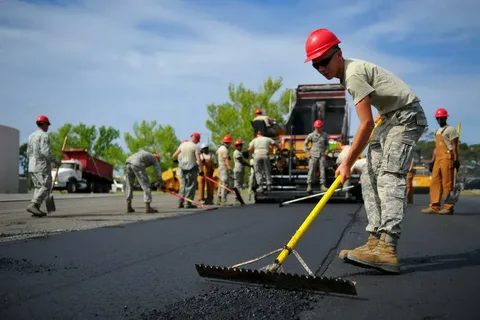
Experienced contractors evaluate the property and determine how to prepare it for installation. Professional asphalt paving and repair can address new pavement projects as well as existing surfaces that need attention.
The installation process generally involves five practical steps:
- Site inspection: Identify damaged areas, access limitations, drainage concerns, and changes in elevation.
- Ground preparation: Remove unsuitable material and prepare the work area.
- Base installation: Establish a stable foundation appropriate for the property’s conditions and traffic.
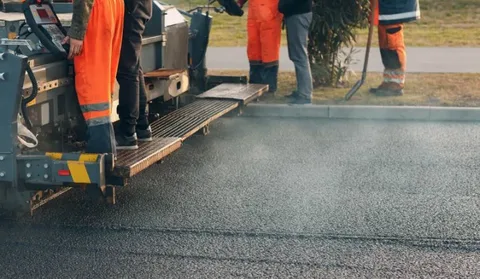
- Asphalt placement: Apply the planned asphalt layers at suitable thicknesses.
- Final compaction: Compact the material to create a consistent, properly finished surface.
Each step affects the finished result. For example, a weak base can contribute to settlement, while poor drainage can allow water to damage the pavement structure.
Additionally, property owners should discuss the project schedule, site access, and any temporary parking restrictions before work begins. Businesses may need to coordinate deliveries or customer access during construction.
A reliable contractor should explain the proposed scope of work and identify any site concerns that could affect the project. Clear communication helps property owners understand what the installation includes and how to prepare for it.
Asphalt Driveway Paving in Houston, TX
Residential driveways experience repeated vehicle loads, changing weather, and regular exposure to water and sunlight. Over time, these conditions can cause cracks, surface wear, and uneven sections. Proper installation and timely maintenance can help property owners manage these common issues.
Creating a Functional Residential Driveway
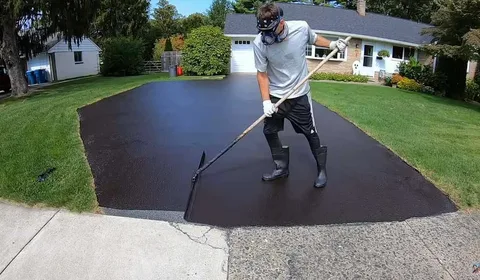
Homeowners planning asphalt driveway paving in Houston, TX should consider more than the driveway’s appearance. The surface needs to provide practical vehicle access while directing rainwater away from the home and surrounding structures.
Five useful planning points include:
- Driveway layout: Consider vehicle size, parking space, and turning requirements.
- Surface grading: Plan suitable slopes to reduce standing water.
- Foundation quality: Address unstable soil or weak base material before paving.
- Edge support: Ensure the driveway edges receive appropriate preparation and support.
- Connection points: Plan smooth transitions to garages, sidewalks, and existing pavement.
Moreover, homeowners should identify any drainage issues before construction starts. Water collecting near a garage entrance or low point may indicate a grading problem that needs attention.
Existing driveways also deserve regular inspection. Small cracks, worn patches, and isolated potholes may be repairable when the underlying structure remains sound. However, widespread cracking or repeated settlement can indicate deeper problems.
Therefore, a contractor should assess the pavement before recommending repairs or replacement. Choosing the right solution helps homeowners avoid unnecessary work while addressing the actual cause of deterioration.
Commercial Asphalt Paving and Parking Lot Improvements
Commercial pavement must support regular traffic while providing convenient access for customers, employees, and delivery vehicles. A poorly maintained parking lot can create difficulties for drivers and affect the overall appearance of a business property.
Designing a Practical Commercial Parking Area
Businesses considering commercial asphalt paving in Katy, TX should plan around their daily operations. Parking capacity, traffic direction, drainage, loading areas, and pedestrian access all influence the layout.
Five considerations can help guide commercial paving projects:
- Traffic volume: Assess how frequently cars, trucks, and delivery vehicles use the lot.
- Parking layout: Plan suitable stall dimensions, turning areas, and traffic lanes.
- Pedestrian access: Consider walkways and safe routes between parking spaces and entrances.
- Drainage design: Prevent water from collecting in driving lanes or parking spaces.
- Future expansion: Consider whether the property may need additional parking or access areas.
Additionally, parking lot striping helps drivers identify spaces, traffic lanes, loading zones, and other designated areas. Contractors can coordinate pavement work with marking requirements to create a more organized property.
Commercial owners should also consider maintenance during the planning stage. A practical maintenance schedule can help identify surface damage before it disrupts daily operations.
However, the right paving solution depends on the condition of the existing pavement and the property’s needs. A professional assessment can help determine whether new installation, localized repairs, or resurfacing offers the most appropriate option.
Asphalt Repairs, Resurfacing, and Preventive Maintenance
Even properly installed asphalt experiences wear over time. Vehicle traffic, moisture, sunlight, and ground movement can affect the surface. Regular inspections help property owners identify these changes and decide when professional attention may be necessary.
Recognizing Common Pavement Problems
Cracks, potholes, depressions, and crumbling edges can indicate different types of pavement damage. Some problems remain near the surface, while others involve the underlying foundation. Consequently, the repair method should match the cause and extent of the damage.
Consider these five maintenance practices:
- Inspect regularly: Look for new cracks, uneven areas, and standing water.
- Repair suitable cracks: Address manageable openings before water and traffic worsen them.
- Fix potholes promptly: Have damaged areas assessed to determine the necessary repair.
- Monitor drainage: Keep drainage paths clear and investigate recurring water accumulation.
- Evaluate resurfacing options: Consider an asphalt overlay when the existing pavement remains structurally suitable.
An asphalt overlay adds a new layer over a suitable existing surface. It can improve appearance and ride quality without automatically requiring complete pavement removal. However, an overlay cannot reliably correct every foundation problem.
Similarly, seal coating may help protect suitable asphalt against oxidation, moisture exposure, and everyday wear. It does not replace structural repairs or resolve serious drainage defects.
The term asphalt concrete describes a paving material made from mineral aggregates bound together with asphalt. Its performance depends on suitable materials, construction methods, and conditions of use.
Ultimately, a professional inspection helps determine whether a repair, overlay, or full reconstruction is appropriate.
Choosing the Right Asphalt Paving Contractor
Selecting a paving contractor requires careful consideration of experience, communication, project planning, and workmanship. Property owners should understand the proposed work before agreeing to a price or schedule.
Questions to Ask Before Starting Your Project
A dependable contractor should explain the property’s condition and recommend a solution that fits its requirements. Houston Asphalt and Concrete provides asphalt and concrete paving solutions for residential and commercial properties across the Houston area.
Before hiring a contractor, consider these five practical questions:
- What work does the estimate include? Ask about preparation, materials, installation, and cleanup.
- How will drainage be addressed? Discuss existing water problems and proposed grading.
- What repair options are available? Determine whether repairs or resurfacing could suit the current pavement.
- What is the expected timeline? Ask about preparation, installation, curing or cooling requirements, and access restrictions.
- What maintenance will be needed? Request guidance on inspections and suitable preventive care.
Furthermore, compare estimates carefully. A lower price may not include the same preparation, materials, or project scope as another quote. Therefore, review the details rather than relying on price alone.
Property owners should also ask about applicable licensing, insurance, warranties, and references. These checks help clarify the contractor’s responsibilities and provide a better understanding of the proposed service.
Clear communication matters throughout the project. When property owners understand the process, they can prepare their site, coordinate access, and make better decisions about the finished pavement.
Conclusion
Asphalt paving can improve the appearance, accessibility, and functionality of residential and commercial properties. However, long-term pavement performance depends on careful planning, a stable foundation, suitable drainage, and proper installation.
Homeowners should evaluate driveway layout, vehicle access, and ground conditions before starting a project. Meanwhile, commercial property owners need to consider traffic flow, parking capacity, pedestrian access, and future maintenance requirements.
For property owners seeking reliable asphalt paving services in Houston, TX, the right starting point is a professional evaluation of the site. Understanding the difference between new installation, localized repairs, and resurfacing can help prevent unnecessary work and address existing problems appropriately.
In nearby Katy, TX, businesses and homeowners can also explore suitable paving solutions according to their property’s condition and intended use. Regular inspections, timely repairs, and attention to drainage can help preserve usable pavement and identify problems before they become more extensive.
Ultimately, every paving project should reflect the property’s actual needs rather than follow a one-size-fits-all approach. Ask questions, compare detailed estimates, and understand the proposed work before making a decision.
With practical planning and appropriate maintenance, property owners can make informed choices about their pavement and support its performance over time.
FAQs
How long does an asphalt paving project take?
The timeline depends on the project size, site preparation, weather, and existing pavement conditions. Ask the contractor for a schedule specific to your property.
Can damaged asphalt be repaired without full replacement?
Yes. Localized cracks and potholes may be repairable when the surrounding pavement and underlying foundation remain suitable. Extensive structural damage may require reconstruction.
Is asphalt suitable for residential driveways?
Yes. Asphalt is commonly used for residential driveways because it provides a smooth surface for everyday vehicle traffic. Proper installation and maintenance remain essential.
What is the difference between asphalt repair and resurfacing?
Repair addresses specific damaged areas, while resurfacing adds a new layer over suitable existing pavement. The appropriate option depends on the extent and cause of the damage.
How can property owners maintain asphalt pavement?
Inspect the surface regularly, address suitable cracks and potholes, monitor drainage, and consider appropriate preventive treatments. Professional evaluations can help identify more serious problems.