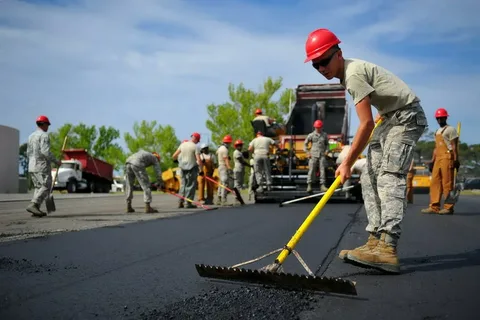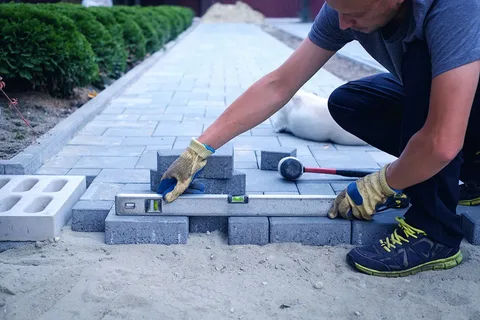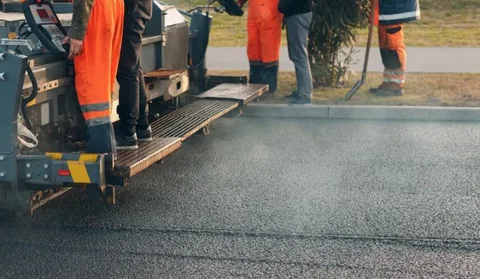
The cost of asphalt paving can vary considerably depending on the size of the project, existing surface conditions, material requirements, drainage, and the type of pavement being installed. A small driveway and a large commercial parking area will naturally have different pricing because each requires a different level of preparation and labor.
Houston Asphalt and Concrete helps property owners understand the work involved before committing to a paving project. Instead of focusing only on the initial price, it is important to consider pavement quality, preparation, drainage, expected traffic, and long-term maintenance. These factors can influence the overall value of the investment.
What Determines the Cost of Asphalt Paving?
One of the biggest cost factors is the size of the paved area. Larger projects require more asphalt, preparation, equipment, and labor. However, the price per square foot may vary depending on the project’s complexity and accessibility.
The condition of the existing surface also matters. If old pavement can be repaired or resurfaced, the project may require less work than a complete removal and replacement. Severe cracking, potholes, unstable soil, or drainage problems can require additional preparation before new asphalt is installed.
Driveway Paving Costs Depend on Site Conditions
Driveways may look straightforward, but every property presents different challenges. The existing surface, slope, soil condition, drainage, driveway dimensions, and required thickness can all affect the final cost.
For those considering Asphalt Driveway Paving, investing in proper preparation is important. A smooth surface placed over a weak base may develop cracks or settlement much sooner than expected. Proper grading and compaction can help create a stronger foundation and improve long-term performance.
Commercial Asphalt Projects Require More Planning
Commercial pavement generally experiences more traffic and heavier loads than residential surfaces. Parking areas, access lanes, business entrances, and other high-use spaces need to be designed around expected traffic and drainage requirements.
For larger projects, Commercial Asphalt Paving In Houston, TX may involve additional preparation, grading, drainage work, striping, or traffic management. A professional evaluation can identify these requirements before work begins, making the project easier to plan and budget.
Can Asphalt Repair Reduce Project Costs?
Complete replacement is not always necessary. If the underlying pavement remains structurally sound, repairs or resurfacing may restore the surface without rebuilding the entire area. The appropriate solution depends on the extent and type of damage.
Cracks, potholes, worn areas, and surface deterioration should be evaluated before deciding on a repair strategy. Addressing these problems early can sometimes prevent more extensive damage and help extend the usable life of the existing pavement.
How Drainage Affects Asphalt Pricing
Water management is an important part of any paving project. If water collects on the surface or beneath the pavement, it can weaken the base and contribute to cracking, potholes, and settlement.
When drainage problems exist, correcting them may increase the initial project cost. However, ignoring them can result in repeated pavement failures and additional repair expenses. Proper drainage should therefore be considered part of the overall paving plan rather than an optional detail.
Residential Paving Requires Quality Preparation
Residential paving projects can include driveways, private lanes, walkways, and other paved areas. While these surfaces may not carry commercial traffic, they still need a stable base and suitable drainage to perform properly.
Quality Residential Paving Services should focus on more than the finished appearance. Careful site preparation, appropriate asphalt thickness, proper grading, and thorough compaction can help the pavement withstand everyday use and changing weather conditions.
Parking Lot Size and Layout Affect the Price
Parking lots can vary widely in size and complexity. A small lot with easy access may require less preparation than a large area with drainage challenges, heavy traffic, or extensive grading requirements.
Parking lot paving services may also include line striping and layout considerations. Clear parking spaces and traffic paths can improve the functionality of the finished area. Discussing these requirements early helps create a more accurate project plan.
Why Choosing the Right Contractor Matters
The lowest quote does not always provide the lowest long-term cost. Poor preparation or inadequate materials can lead to premature cracking, potholes, drainage problems, and repeated repairs.
A reliable paving contractor should explain what the project requires and why. Clear communication, careful preparation, quality workmanship, and attention to site conditions can help prevent avoidable problems. These qualities are especially important for projects throughout Katy and Houston.
Asphalt Paving Services in Katy and Houston
Local conditions can influence paving decisions. Properties in Katy may have different site layouts, traffic demands, or drainage concerns than individual properties in Houston. A project should therefore be evaluated based on its specific conditions rather than using a one-size-fits-all approach.
Professional Asphalt Paving Services In Katy, TX can cover new pavement installation, driveway work, commercial surfaces, repairs, and resurfacing. For projects in Houston, the same attention to preparation and drainage can help create pavement that provides dependable performance.
Get a Clear Paving Plan Before Work Begins
Before approving a project, ask what preparation is included, how drainage will be handled, what materials will be used, and whether repair or resurfacing is a practical alternative. Understanding the scope can make it easier to compare estimates accurately.
A professional assessment can also help identify hidden issues that may affect the final price. Instead of choosing based solely on the lowest initial quote, consider the quality of the installation and the expected long-term performance.
Choose Houston Asphalt and Concrete
A successful paving project should provide more than an attractive surface. It should offer dependable performance, appropriate drainage, strong preparation, and workmanship suited to the property’s actual needs.
Houston Asphalt and Concrete focuses on practical paving and concrete solutions for properties in Katy, Houston, and surrounding areas. Whether you need a new driveway, commercial pavement, parking area, repair, or resurfacing, discussing the project’s conditions with an experienced team can help you make a confident decision.
Conclusion
The cost of asphalt paving in Katy, TX depends on several factors, including project size, surface condition, preparation, drainage, asphalt requirements, and the type of work involved. Repair or resurfacing may be suitable for some properties, while severely damaged pavement may require replacement.
Choosing quality Asphalt Paving Services can help protect your investment and reduce avoidable maintenance problems. Whether your project is in Katy or Houston, a detailed assessment and properly planned installation can provide better value and dependable pavement performance.
FAQs
Is asphalt driveway paving cheaper than replacement?
It can be, particularly when the existing pavement has a stable base and only requires resurfacing or limited repairs.
When should asphalt be repaired instead of replaced?
Repair may be suitable when damage is localized and the underlying pavement structure remains stable.
Does drainage increase asphalt paving costs?
Drainage improvements can increase initial costs, but they may help prevent expensive pavement damage caused by standing water.
How long does an asphalt driveway last?
A properly installed and maintained asphalt driveway can provide many years of service, depending on traffic, drainage, weather, and maintenance.
Do commercial parking lots cost more to pave?
Commercial lots can cost more because they often require larger areas, heavier-duty pavement, grading, drainage, and additional site preparation.