A commercial parking lot is often one of the first parts of a property customers, employees, and delivery drivers experience. Faded lines, unclear traffic routes, poorly defined spaces, and missing markings can make even a well-maintained property feel disorganized. Houston Asphalt and Concrete provides professional parking lot striping for commercial properties that need clear, functional pavement markings designed around the way their parking areas are actually used.
For businesses in Tomball, TX, striping is about more than improving appearance. A properly planned layout can help define parking spaces, organize vehicle movement, identify pedestrian areas, support accessible parking, and make better use of available pavement. Effective striping begins with evaluating the lot itself rather than simply repainting whatever lines are already there.
Why Clear Parking Lot Markings Matter
Parking lot markings communicate important information without requiring drivers to stop and think about every movement. Clearly defined stalls show where vehicles should park, arrows establish traffic direction, loading zones separate service activity, and pedestrian markings help distinguish walking routes from vehicle areas.
When markings fade or become inconsistent, drivers may park across multiple spaces, create their own traffic patterns, or block areas intended for access and circulation. These problems become more noticeable during busy periods when several vehicles are entering, leaving, parking, and backing out at the same time.
Professional line striping services help create a consistent layout that drivers can understand quickly. Clear organization can also make the property appear better maintained, which contributes to the overall impression customers have when they arrive.
A Better Layout Can Improve Traffic Flow
The number of painted parking stalls is only one part of an effective layout. The location of those spaces, the width of driving aisles, entry and exit points, directional arrows, loading areas, and pedestrian movement all affect how the parking lot functions.
A poorly arranged lot can create unnecessary conflicts. Drivers may meet head-on in narrow lanes, vehicles may block entrances while waiting for spaces, or customers may walk through busy traffic areas because pedestrian routes are unclear. Simply repainting old lines does not necessarily correct these problems.
Before re-striping, contractors should review the existing layout and determine whether it still works for the property. Changes in building use, traffic volume, delivery activity, or parking demand can make an older configuration less practical than it once was.
Proper Striping Helps Businesses Use Pavement Efficiently
Commercial properties have a limited amount of paved space, so every section of the lot should serve a clear purpose. Properly measured parking spaces can help organize more vehicles without creating overcrowding, while clearly identified no-parking zones prevent drivers from blocking critical access points.
Efficient layouts also account for areas that should not be used as standard parking. Fire lanes, loading zones, accessible spaces, walkways, building entrances, dumpster access, and service areas may all need to remain clear.
For ADA parking lot striping in Tomball, TX, the layout should be planned carefully around designated accessible spaces, access aisles, routes toward entrances, and applicable requirements. These markings should not be treated as decorative additions after the rest of the parking lot has already been laid out.
Visibility Is Important for Drivers and Pedestrians
Parking lot markings must remain visible enough to communicate their purpose. Sun exposure, weather, vehicle traffic, dirt, oil, and normal pavement wear can gradually reduce the contrast between painted lines and the asphalt beneath them.
As striping fades, parking patterns often become less consistent. Drivers may have difficulty identifying stall boundaries, directional arrows may become less obvious, and pedestrians may have trouble recognizing marked crossing areas.
Visibility is especially important at commercial sites that operate during early morning, evening, or high-traffic periods. While paint alone cannot eliminate every safety risk, well-maintained markings provide important visual guidance throughout the property.
New Striping Versus Restriping
Businesses do not always need an entirely new parking layout. If the current arrangement works well and the pavement remains in suitable condition, restriping may simply involve refreshing existing lines and markings.
A new layout may make more sense when the property has changed significantly. Building renovations, new entrances, different traffic patterns, expanded customer volume, or changes to loading and service areas can all affect how the pavement should be organized.
Before choosing between new striping and restriping, the contractor should evaluate whether the existing markings still support efficient traffic flow. Repainting an inefficient layout simply makes the old problems more visible again.
Pavement Condition Should Be Checked Before Painting
Fresh markings perform best on pavement that is properly prepared. Loose debris, excessive dirt, oil contamination, damaged asphalt, and unstable areas can interfere with clean application and may affect how consistent the finished lines appear.
The pavement should therefore be reviewed before striping begins. Small areas of damage may need repair, while extensive deterioration could require more substantial pavement work before new markings are applied.
Surface condition also affects layout accuracy. Severe cracking, settlement, potholes, or uneven repairs can make it difficult to produce clean, continuous lines. Businesses planning major pavement repairs or resurfacing should generally coordinate those improvements before investing in a complete restriping project.
Parking Lot Striping for Different Commercial Properties
Parking needs vary considerably between commercial sites. A medical office may require strong pedestrian organization and convenient accessible spaces, while a warehouse may need larger delivery zones and clear truck circulation. A restaurant, retail center, office property, and industrial facility may each require different layouts.
Effective parking lot painting should therefore reflect how the property operates. The contractor should consider customer parking, employee parking, deliveries, emergency access, entrances, exits, and areas where pedestrians commonly cross.
This property-specific approach can help prevent the parking lot from becoming a collection of markings that technically fit on the pavement but do not work well together.
ADA Markings Need Careful Planning
Accessible parking is one of the areas where accuracy and consistency are particularly important. Designated spaces, access aisles, symbols, and nearby routes should be clearly identified and positioned according to the requirements that apply to the property.
Businesses should avoid assuming that simply painting an accessibility symbol is enough. Space dimensions, access aisles, placement relative to entrances, signage, slopes, and pedestrian routes can all matter.
Because accessibility requirements can vary by property and applicable regulations, businesses should have the site reviewed rather than relying on an older layout that may no longer reflect current needs.
Parking Lot Striping in Tomball, TX
Commercial properties in Tomball include retail locations, offices, medical facilities, restaurants, industrial sites, and other businesses with different parking demands. Each property should be evaluated according to traffic volume, available space, pavement condition, access points, and pedestrian activity.
Weather and daily traffic also affect the condition of markings over time. Businesses should periodically inspect parking stalls, arrows, fire lanes, accessible areas, and other painted markings instead of waiting until they are almost completely gone.
The goal is not necessarily to repaint on a fixed schedule. Restriping should be based on visibility, pavement condition, property changes, and how effectively the existing layout continues to function.
How Striping Supports Houston Commercial Properties
Larger and busier commercial sites can present even more complicated traffic patterns. Parking lots may include several entrances, multiple buildings, loading areas, customer parking, employee sections, fire lanes, and pedestrian routes that all need to work together.
Professional pavement striping services in Houston, TX can help organize these areas with clearly defined stalls, arrows, crossings, restricted zones, and other markings suited to the property layout.
Although Houston and Tomball properties may differ in scale or traffic levels, the same principle applies: striping should be planned around actual site use rather than applying a standard layout without considering the property.
When Should Parking Lot Lines Be Repainted?
There is no single repainting schedule that works for every parking lot. Traffic volume, weather exposure, pavement condition, cleaning practices, and the type of markings can all influence how quickly painted lines become difficult to see.
Businesses should consider re-striping when stall boundaries are becoming unclear, directional arrows are difficult to recognize, accessible markings have faded, or drivers regularly park inconsistently because they cannot clearly identify spaces.
The pavement itself should also be considered. If major repairs, seal coating, or resurfacing are planned soon, it may make sense to complete those improvements before applying a full set of new markings.
What Happens During a Striping Project?
A professional striping project begins with understanding the existing parking area. Contractors review the pavement, current layout, traffic flow, required markings, and any areas that need special attention before painting begins.
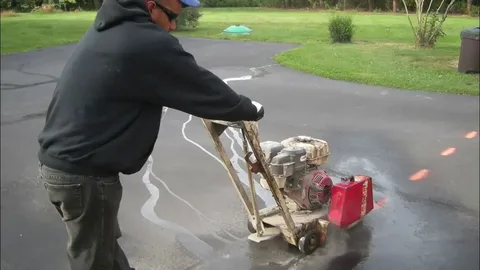
The surface is then prepared so dirt, loose debris, and other materials do not interfere with application. Measurements and layout points are established before lines, arrows, stalls, and other markings are applied.
Depending on the property, the work may include:
- Standard parking stalls
- Directional arrows
- Accessible parking markings
- Access aisles
- Loading zones
- Fire lanes
- Pedestrian crossings
- No-parking areas
- Curb markings
- Traffic control markings
Experienced commercial striping contractors should also consider how each marking interacts with the rest of the layout instead of treating every painted element separately.
Common Parking Lot Striping Mistakes
One common mistake is simply tracing an old layout without determining whether it still works. Existing lines may have been created for a different type of business or before changes were made to the building, entrances, or traffic patterns.
Another problem is inconsistent spacing. Uneven parking stalls can waste pavement and create awkward spaces that drivers avoid. Poorly positioned arrows or crossings can also create confusion rather than improving traffic movement.
Other problems include painting over dirty pavement, applying markings before repairs are completed, overlooking accessible parking requirements, and failing to coordinate striping with future seal coating or resurfacing work.
How Striping Fits Into Overall Parking Lot Maintenance
Striping works best as part of a broader pavement maintenance strategy. Clear markings cannot correct potholes, severe cracking, drainage failures, or unstable asphalt. Those conditions should be evaluated and repaired when necessary.
Likewise, businesses planning resurfacing or seal coating should consider how those services affect existing markings. New surface treatments commonly require the parking lot to be striped again afterward.
Coordinating pavement work can reduce unnecessary duplication. Instead of repainting lines shortly before resurfacing, the property owner can plan repairs, surface treatments, and striping in the correct sequence.
Questions Businesses Should Ask Before Restriping
Before approving a striping project, property owners or managers should understand both the proposed layout and the condition of the pavement. The contractor should be able to explain whether existing markings will be followed or whether changes would improve parking organization.
Useful questions include:
- Is the current parking layout still efficient?
- Does the pavement need repairs before painting?
- Are accessible spaces and access aisles properly positioned?
- Should traffic arrows or driving patterns be changed?
- Are loading and no-parking zones clearly defined?
- Will any pavement work occur before striping?
- How will pedestrian movement be considered?
- Which existing markings need to be removed or changed?
Asking these questions helps businesses evaluate the project as a functional improvement rather than viewing striping as paint alone.
Conclusion
Parking lot striping plays an important role in how a commercial property functions. Clear spaces, directional markings, pedestrian areas, accessible parking, loading zones, and restricted areas help drivers understand how to move through the site while making better use of available pavement.
For businesses in Tomball, TX and nearby Houston, the best results come from evaluating traffic patterns, pavement condition, accessibility needs, and daily property use before the first line is painted. Houston Asphalt and Concrete can assess existing parking areas and determine whether new striping, restriping, pavement preparation, or related improvements are appropriate for the property.
A well-planned layout supports more than appearance. It creates a clearer, more functional parking environment for customers, employees, pedestrians, and service vehicles.
FAQ’s
How often should a commercial parking lot be re-striped?
There is no universal schedule. Re-striping depends on traffic volume, weather exposure, pavement condition, paint visibility, and how well the existing markings continue to guide drivers.
Should pavement repairs be completed before parking lot striping?
Yes, when damaged pavement would interfere with the layout or paint application. Potholes, unstable sections, or major cracks should be evaluated before new markings are installed.
What markings can be included in a parking lot?
A project can include parking stalls, arrows, accessible spaces, access aisles, fire lanes, loading zones, pedestrian crossings, no-parking areas, and other traffic markings required by the property.
Can an existing parking layout be changed during restriping?
Yes. If the current layout no longer works efficiently, contractors can review available space, traffic flow, access points, and property use before creating a revised layout.
Why is ADA parking lot striping important?
Accessible parking markings help identify designated spaces and access areas for people with disabilities. Their placement should be coordinated with applicable accessibility requirements and pedestrian routes.
Should striping be completed before or after seal coating?
Striping is generally applied after seal coating once the treated pavement is ready for markings. Planning both services together helps avoid painting lines that will soon be covered by a surface treatment.