Worn asphalt does not always need to be removed and completely rebuilt. When the underlying pavement remains structurally stable, an overlay can restore a smoother driving surface while avoiding much of the demolition involved in full reconstruction. Property owners should base that decision on pavement condition, drainage, cracking, base stability, and how the surface is used.
Houston Asphalt and Concrete evaluates existing pavement before recommending an overlay, repair, or complete replacement. For driveways, parking lots, private roads, and commercial surfaces in Houston, TX, understanding what is happening below the visible wear is essential before choosing a resurfacing method.
What Are Asphalt Overlay Services?
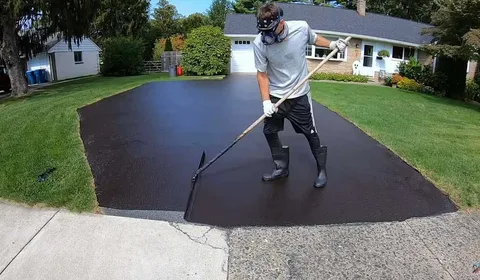
Professional asphalt overlay services involve placing a new layer of asphalt over an existing paved surface that is still capable of supporting additional pavement. Before that new layer is installed, the existing surface may need cleaning, localized repairs, leveling, milling, or transition work.
The purpose of an overlay is not simply to hide old pavement. A properly planned project should improve surface smoothness, restore worn areas, and create a more consistent driving surface while preserving a suitable existing pavement structure. The thickness and preparation requirements depend on traffic, existing damage, elevations, drainage, and the intended use of the finished area.
An overlay can be practical when deterioration is primarily near the surface. It becomes less appropriate when failures originate deeper within the base or subgrade.
When Is an Overlay Better Than Full Replacement?
The main advantage of an overlay is that it allows usable portions of the existing pavement system to remain in place. If the foundation is stable, completely removing sound pavement may add unnecessary demolition, hauling, preparation, and construction work.
Overlaying may be appropriate when the pavement has widespread surface aging, minor-to-moderate cracking, oxidation, shallow imperfections, or general roughness but does not show extensive structural failure. Contractors should inspect cracking patterns, depressions, edges, drainage, and signs of movement before determining whether the existing surface is suitable.
Full replacement becomes more appropriate when deterioration extends through the pavement structure. Major settlement, widespread base failure, recurring deep potholes, severe alligator cracking, or large unstable sections often indicate that simply adding another layer will not correct the underlying problem.
Pavement Condition Determines the Right Solution
Surface appearance alone cannot tell a contractor whether pavement should be overlaid or replaced. Two parking lots may look similarly worn while having completely different underlying conditions. One may have a stable base with surface oxidation, while the other may be moving because of weak subgrade or drainage problems.
Experienced asphalt overlay contractors should evaluate whether damaged sections are isolated or widespread. Localized failures may sometimes be removed and repaired before the overlay is installed, allowing the stable portions of the existing pavement to remain.
The inspection should also consider previous repairs. Areas that repeatedly crack, settle, or develop potholes may indicate deeper movement. Covering those locations without correcting the cause can allow the same distress to reappear through the new surface.
Drainage Must Be Evaluated Before Resurfacing
An overlay changes the elevation of the paved surface. Even a relatively modest increase can affect curb transitions, entrances, drainage inlets, sidewalks, adjoining pavement, garage approaches, and other fixed features. These relationships should be reviewed before construction begins.
Standing water is another important warning sign. If existing pavement collects water because of poor slope or settlement, simply adding asphalt may not automatically fix the drainage pattern. Contractors may need to adjust grades, mill high areas, correct low sections, or address drainage features before resurfacing.
Houston’s rainfall makes drainage planning especially important for exterior pavement. The objective should be to improve the surface while preserving or improving the way water moves through the property.
Asphalt Resurfacing for Houston Properties
For asphalt resurfacing services in Houston, TX, contractors should consider more than visible cracking. Commercial traffic, heat exposure, rainfall, drainage, turning movements, previous repairs, and existing pavement thickness can all influence whether an overlay is a reasonable option.
A commercial parking area with a stable foundation but faded, oxidized, and moderately worn pavement may be a strong resurfacing candidate. By contrast, a surface with widespread settlement and repeated structural failures may require more extensive reconstruction before new asphalt is placed.
Site-specific evaluation is especially important because conditions can vary significantly across a single property. One section may only need surface preparation, while another may require localized removal and base repair before the overall overlay begins.
Parking Lot Overlays Require More Planning
Commercial parking lots involve more than a large paved surface. Entrances, exits, parking stalls, pedestrian routes, curbs, drainage structures, loading areas, and adjoining roads all interact with the pavement. Adding a new asphalt layer can affect each of these features.
For parking lot overlays, contractors may need to mill portions of the existing pavement so the new layer connects properly with curbs, concrete aprons, sidewalks, and drainage inlets. Failed areas should also be repaired before resurfacing rather than being covered without preparation.
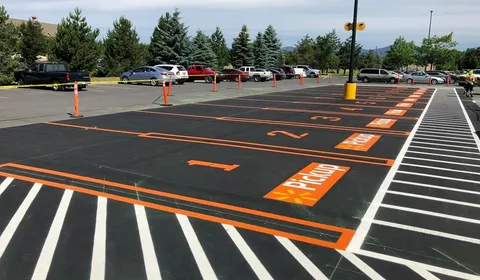
After paving is completed and the surface is ready, parking lot markings may need to be restored. This can include parking stalls, accessible spaces, fire lanes, directional arrows, loading zones, and pedestrian markings.
Overlay Versus Pavement Repair
An overlay is not automatically necessary whenever asphalt begins to deteriorate. If damage is limited to a small number of potholes, edge failures, cracks, or isolated depressed areas, targeted repair may provide a more appropriate solution.
Professional pavement repair services in Spring, TX can address localized failures when the majority of the pavement remains functional. Repairs may also be completed as preparation for a future overlay when damaged areas would otherwise affect the new surface.
The scale of deterioration matters. A few isolated failures often point toward repair, while widespread surface aging with a stable foundation can make resurfacing more practical. Widespread structural failure, however, may move the project toward reconstruction.
Why Surface Preparation Matters
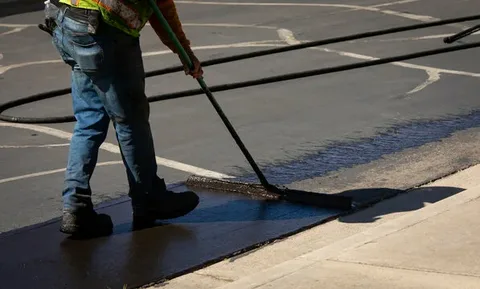
A successful overlay depends heavily on the condition of the surface beneath it. Dirt, loose material, vegetation, unstable patches, excessive cracking, and uneven transitions can interfere with the new pavement if they are not addressed first.
Preparation may include:
- Cleaning loose debris from the pavement
- Repairing failed sections
- Filling or treating appropriate cracks
- Milling selected areas
- Correcting transitions and elevations
- Leveling localized depressions
- Preparing edges and adjoining surfaces
- Applying materials needed for proper bonding
The exact process varies by project. Contractors should determine preparation requirements after evaluating the existing pavement rather than using the same procedure on every surface.
Milling Can Help Maintain Proper Elevations
Milling removes a controlled amount of existing asphalt before the new layer is placed. It is often useful around curbs, gutters, entrances, drainage structures, concrete transitions, and other locations where adding pavement height could create problems.
It can also help remove deteriorated surface material or improve the profile of uneven pavement. In some projects, only selected areas need milling. In others, broader milling may be appropriate depending on existing pavement condition and elevation requirements.
Milling should be part of the overall resurfacing plan rather than treated as an automatic step. The contractor needs to understand what elevation the finished surface must reach and how it should connect with surrounding features.
When Full Asphalt Replacement Is the Better Choice
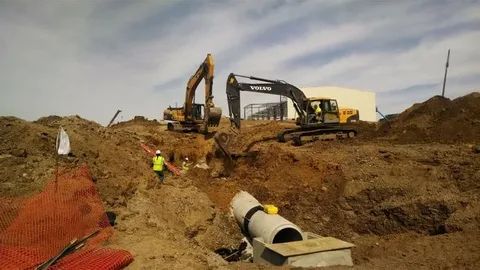
Overlaying pavement that has lost structural support can postpone rather than solve the problem. Full reconstruction may be more appropriate when the base or subgrade has widespread failures that cannot be corrected through localized repairs.
Warning signs can include severe alligator cracking, large settled areas, extensive rutting, repeated deep potholes, significant edge collapse, or pavement movement across broad sections. Persistent drainage issues may also need major corrective work before new asphalt is installed.
Replacement gives contractors access to the underlying layers so unsuitable materials can be removed, drainage can be corrected, and the base can be rebuilt as needed. Although this involves more work than an overlay, it can be the appropriate investment when the existing pavement no longer provides a reliable foundation.
Comparing Overlay and Replacement Decisions
The better option depends on the condition of the existing pavement rather than a simple preference for one method.
| Condition | Overlay May Work | Replacement May Be Better |
| Surface oxidation | Yes | Usually unnecessary |
| Minor surface cracking | Often | If cracking reflects base failure |
| Stable pavement base | Yes | Usually unnecessary |
| Isolated failed areas | After repairs | If failures are widespread |
| Severe settlement | Rarely | Often |
| Widespread alligator cracking | Limited suitability | Often |
| Major drainage/base problems | Usually not until corrected | Often |
| General surface roughness | Often | Depends on structural condition |
A contractor should inspect the property before making a final recommendation because similar-looking pavement can have very different structural conditions.
How Long Can an Asphalt Overlay Perform?
There is no single lifespan that applies to every resurfaced surface. Performance depends on the quality of the underlying pavement, preparation, traffic loads, drainage, asphalt thickness, installation quality, climate exposure, and ongoing maintenance.
A properly selected overlay over stable pavement generally has a better chance of performing well than one installed over unresolved structural problems. Heavy commercial traffic may also place different demands on pavement than a residential driveway or lightly used access road.
Houston Asphalt and Concrete evaluates the existing pavement and intended use before determining whether resurfacing is appropriate. This helps avoid treating an overlay as a universal solution for every aging asphalt surface.
Maintenance After an Asphalt Overlay
A new surface should still be monitored after installation. Drainage should remain clear, developing cracks should be evaluated, and damaged sections should not be ignored simply because the pavement was recently resurfaced.
Property owners should watch for standing water, unusual depressions, edge damage, or cracks repeatedly forming in the same locations. These conditions can provide early clues about issues beneath the new surface.
Preventive treatments may become appropriate later in the pavement’s life, but maintenance should always reflect the actual condition of the asphalt. Surface treatments cannot replace structural repairs when deeper failures are present.
Questions to Ask Before Approving an Overlay
Property owners should understand why an overlay is being recommended instead of simply comparing project prices. A contractor should be able to describe the existing pavement condition, necessary preparation, and why resurfacing is suitable.
Useful questions include:
- Is the existing pavement base structurally stable?
- Which damaged areas need repair before resurfacing?
- Will any sections require milling?
- How will drainage be handled?
- Will the new elevation affect curbs or entrances?
- What asphalt thickness is appropriate?
- How will transitions to existing surfaces be completed?
- Is any portion of the pavement too damaged to overlay?
- What maintenance will be needed after installation?
Clear answers help property owners understand whether resurfacing addresses the actual pavement problem rather than only improving its appearance.
Conclusion
Asphalt overlays can be a practical alternative to full replacement when existing pavement has a stable foundation but shows widespread surface wear, oxidation, roughness, or moderate deterioration. The decision should consider cracking, drainage, settlement, base stability, traffic, elevations, and how the paved area will be used.
For Houston properties, proper inspection and preparation are especially important before adding another asphalt layer. When the underlying pavement remains sound, asphalt resurfacing and overlays can restore a smoother surface without unnecessary reconstruction. When structural failures are widespread, however, replacement may provide the more appropriate long-term solution.
A professional evaluation helps determine which approach fits the actual site conditions rather than choosing an overlay or replacement based only on visible wear.
FAQs
How do I know if my asphalt is suitable for an overlay?
Pavement is generally a better overlay candidate when the existing base remains stable and deterioration is mainly at the surface. Widespread settlement, deep structural cracking, or base failure may require reconstruction instead.
Can an asphalt overlay cover existing cracks?
Some existing cracks can be treated during preparation, but an overlay does not permanently eliminate every underlying crack. Contractors should evaluate cracking patterns to determine whether they indicate surface deterioration or deeper pavement movement.
Is an asphalt overlay cheaper than complete replacement?
An overlay usually involves less demolition and reconstruction when the existing pavement can remain in place. Actual project cost depends on pavement condition, repairs, milling, area size, thickness, access, and preparation requirements.
Can parking lots be resurfaced instead of replaced?
Yes, when the pavement structure remains suitable. Failed areas may need repair and some locations may require milling before a new asphalt layer is installed.
Why is milling sometimes needed before an overlay?
Milling can help maintain proper elevations around curbs, drainage structures, entrances, sidewalks, and adjoining pavement. It can also remove deteriorated surface material and improve transitions.
When should asphalt be completely replaced?
Replacement may be more appropriate when pavement has widespread structural cracking, major settlement, recurring deep potholes, unstable base conditions, or serious drainage-related failures.