Exterior surfaces influence how a property looks, functions, and handles everyday use. Cracked driveways, uneven parking areas, damaged walkways, and poorly planned access points can make a property harder to use while creating ongoing maintenance concerns. Well-planned concrete paving services can improve these areas by providing stable, defined surfaces designed around traffic, drainage, and the surrounding site.
For property owners in Katy, TX, concrete can be useful for driveways, parking areas, walkways, entrances, slabs, and other frequently used exterior spaces. The value of the finished pavement, however, depends on more than simply placing concrete. Site preparation, drainage, base conditions, reinforcement considerations, placement, joint planning, and finishing all affect how the completed surface performs.
How Concrete Improvements Can Add Property Value
A new concrete surface can improve a property in several ways at once. It can create cleaner vehicle access, define pedestrian routes, reduce rough or muddy areas, and give exterior spaces a more finished appearance. For commercial properties, properly planned pavement can also make entrances, parking areas, and service zones easier for customers, employees, and delivery vehicles to use.
Property value should not be viewed only in terms of appearance. Functional improvements can be equally important. A driveway that drains correctly, a walkway without major uneven sections, or a parking area that supports regular traffic can reduce inconvenience and help prevent small site problems from becoming larger ones.
The greatest benefit usually comes when the concrete project solves a specific property need rather than simply covering an existing problem.
Concrete Driveways Need More Than a Finished Surface
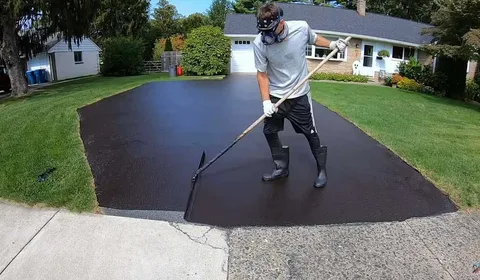
Driveways carry repeated vehicle loads and connect several parts of a property, including the street, garage, parking area, and surrounding landscape. Their performance depends heavily on what happens before the concrete is placed.
For concrete driveway paving in Katy, TX, contractors should evaluate the driveway slope, surrounding elevations, expected vehicle use, drainage direction, and connection points. A driveway that is placed over poorly prepared ground or designed without adequate drainage may develop settlement, cracking, or low areas even if the initial finish looks good.
Preparation may involve excavation, leveling, base material, compaction, form placement, and decisions about reinforcement. The finished surface should also transition cleanly to garages, sidewalks, curbs, or adjoining pavement without creating abrupt changes in elevation.
Site Preparation Has a Direct Effect on Performance
Concrete is a rigid paving material, which means movement beneath the slab can place stress on the finished surface. Soft soil, uneven support, poor compaction, or uncontrolled water movement can contribute to cracking and settlement over time.
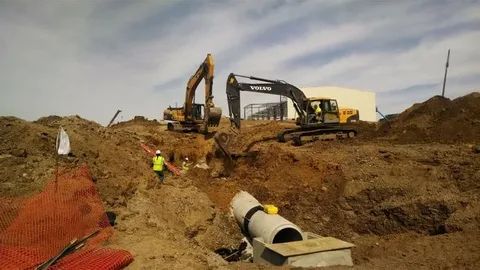
Before placement, the work area should be evaluated for unstable material, grade changes, access limitations, and drainage conditions. The amount of preparation required varies by project. A small residential walkway will not necessarily require the same preparation as a commercial parking section exposed to regular vehicle traffic.
Proper preparation also helps establish the final elevation of the concrete. This matters around structures, doors, existing pavement, landscaping, and drainage routes. Contractors should understand where water needs to move before forms are set and concrete is placed.
Drainage Should Be Planned Before Concrete Is Installed
Drainage is one of the most important parts of exterior paving design. Concrete does not absorb large amounts of surface water, so the finished grade must direct rainfall toward appropriate drainage areas rather than allowing water to collect against buildings or in low sections of pavement.
This requires careful planning around slopes and transitions. Contractors may need to consider nearby streets, curbs, landscaped areas, gutters, drainage structures, and neighboring pavement. The correct slope depends on the site rather than a single approach used for every property.
Standing water can make paved areas less convenient to use and may contribute to deterioration around joints, edges, or adjoining soil. Addressing drainage before construction is generally easier than trying to correct elevation problems after the slab has hardened.
Residential and Commercial Concrete Serve Different Needs
Concrete works well for many residential applications, including driveways, walkways, patios, entry areas, and exterior slabs. Residential projects usually need to balance vehicle access, pedestrian use, drainage, appearance, and connections to existing parts of the home.
Commercial properties often present different demands. Commercial concrete paving may be used for parking areas, entrances, loading zones, equipment pads, service areas, sidewalks, or sections that experience frequent vehicle and pedestrian traffic. These surfaces may require more careful planning around traffic loads, access, dimensions, and surrounding pavement.
The intended use of the surface should influence the project design from the beginning. A contractor should know whether the pavement will primarily support people, passenger vehicles, service vehicles, or heavier equipment before recommending preparation and placement methods.
Concrete Parking Areas Require Careful Planning
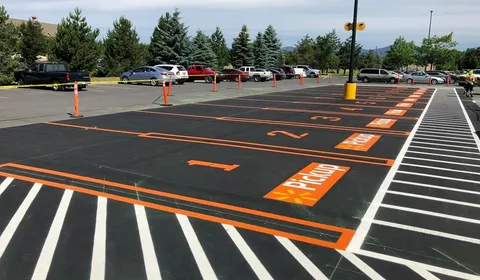
Parking areas must support repeated vehicle movement while providing clear, usable space for drivers and pedestrians. Before installing concrete, the site should be reviewed for traffic flow, turning areas, entrances, exits, drainage, and the relationship between parking spaces and nearby structures.
Existing pavement conditions also matter. Concrete parking lot repair may be appropriate when damage is limited to individual sections, broken edges, cracks, or isolated settlement. Replacing an entire parking area is not always necessary if most of the pavement remains stable.
When widespread deterioration is present, however, contractors should determine whether the problem comes from the concrete itself or from underlying base or drainage conditions. Replacing damaged slabs without correcting the cause can allow similar problems to return.
Repairing Existing Concrete Versus Replacing It
Not every cracked or worn concrete surface needs complete replacement. The correct approach depends on the type of damage, its depth, how much of the pavement is affected, and whether the surrounding sections remain stable.
Experienced concrete repair contractors should examine cracking patterns, settlement, spalling, broken corners, joint conditions, and changes in elevation. A small damaged section may be repaired or replaced individually, while widespread movement can indicate a larger base or drainage issue.
Surface appearance is only part of the evaluation. A narrow cosmetic crack and a slab that has shifted enough to create a significant height difference require very different solutions.
Concrete Paving Considerations in Katy, TX
Properties in Katy can include residential driveways, commercial parking areas, walkways, private access points, and mixed paved surfaces. Each project should be assessed according to its specific layout, expected use, soil conditions, drainage, and relationship with surrounding structures.
Heat and rainfall also make drainage and proper finishing important considerations for exterior pavement. Contractors should evaluate low areas and existing signs of settlement before determining how the new surface should be built.
The goal should be to create a concrete surface that works with the property rather than simply fitting concrete into the available space. Proper dimensions, slopes, transitions, and preparation can make the finished area more practical for everyday use.
Concrete Projects in Richmond, TX
The same fundamental construction principles apply to nearby communities, but individual site conditions still vary. A commercial site in Richmond may have different traffic demands, drainage patterns, access points, and existing pavement than a residential project in Katy.
For commercial concrete paving in Richmond, TX, the project plan should account for how customers, employees, delivery vehicles, and equipment will move through the property. Parking sections, entrances, walkways, pads, and other concrete areas may each require different preparation and finishing considerations.
This is why local paving decisions should be based on the property itself instead of assuming every project in the same region requires the same construction method.
Joints, Reinforcement, and Finishing Matter
Concrete naturally changes as it cures and responds to temperature and moisture conditions. Proper joint planning helps control where movement can occur and can reduce random cracking across larger slabs.
Reinforcement may also be considered depending on the application, expected loads, slab design, and site requirements. The appropriate approach varies, so reinforcement should be selected as part of the overall project design rather than treated as a universal solution.
Finishing affects both appearance and usability. Exterior pavement typically needs a surface texture that provides practical traction rather than an excessively smooth finish. Edges, transitions, and joints should also be completed carefully to create a consistent finished area.
Common Problems With Existing Concrete
Concrete can remain useful for many years, but different forms of deterioration can develop over time. Recognizing the type of damage helps determine whether repair, resurfacing, section replacement, or broader reconstruction is appropriate.
Common problems include:
- Cracks extending across slabs
- Uneven or settled sections
- Broken edges or corners
- Surface scaling or deterioration
- Poor drainage and standing water
- Separation around joints
- Damage caused by repeated vehicle loads
- Abrupt transitions between adjoining surfaces
Residential concrete repair should focus on the cause as well as the visible damage. For example, repairing a crack without addressing ongoing settlement may provide only a temporary improvement.
What a Concrete Paving Project Should Include
A well-managed project usually begins with a site evaluation and clear understanding of the intended use. Existing materials may need to be removed before excavation, grading, and base preparation can begin. Forms are then positioned according to the required dimensions, elevations, slopes, and layout.
Concrete is placed and consolidated before the surface is leveled and finished. Joints and edges are completed according to the project design, and the concrete then requires appropriate curing before normal use begins.
The exact process depends on the surface being constructed. A walkway, driveway, parking area, or commercial slab may each require different dimensions, preparation, and finishing methods.
Questions to Ask Before Hiring a Concrete Contractor
Property owners should understand what is included in the proposed work rather than choosing a contractor based only on the final price. A clear proposal should explain how the site will be prepared and what factors influence the recommended approach.
Useful questions include:
- What preparation is required before placement?
- How will drainage be handled?
- Is the existing soil or base stable?
- What concrete thickness is appropriate for the intended use?
- How will joints be planned?
- Is reinforcement recommended for this project?
- How will the new surface connect to existing pavement?
- What curing period is required before use?
- Can damaged sections be repaired instead of fully replaced?
A contractor who can explain these decisions clearly gives the property owner a better understanding of what is being built and why.
Maintenance After Concrete Installation
Concrete requires less routine surface treatment than some paving materials, but property owners should still monitor it over time. Keeping joints and drainage areas clear can help prevent standing water and debris buildup. Developing cracks, settlement, or damaged edges should also be evaluated before the affected area becomes larger.
Heavy impacts, overloaded sections, and uncontrolled drainage can shorten the useful life of pavement. Property owners should pay particular attention to areas that repeatedly hold water or show movement near slab edges.
Maintenance is most effective when it responds to actual pavement conditions rather than waiting until a small defect becomes a larger structural problem.
Conclusion
Concrete paving can improve property value by creating stronger access areas, cleaner exterior spaces, more functional parking, and dependable surfaces for vehicles and pedestrians. The quality of the result depends on site evaluation, base preparation, drainage, proper placement, joint planning, finishing, and choosing the right solution for the way the property will be used.
Whether the project involves a driveway in Katy or a commercial pavement area in Richmond, the work should begin with an evaluation of the actual site conditions. Houston Asphalt and Concrete provides concrete installation and repair solutions for residential and commercial properties, helping owners determine whether new paving, focused repair, or section replacement is the most appropriate approach.
FAQ’s
How does concrete paving improve a property’s value?
Concrete can improve usability, access, appearance, drainage, and the overall condition of exterior areas. Well-planned driveways, walkways, parking sections, and entrances can make a property easier to use while reducing visible deterioration.
Is concrete a good choice for residential driveways?
Yes. Concrete is commonly used for residential driveways because it provides a rigid, defined driving surface. Proper site preparation, drainage, slab design, joints, and finishing are important for long-term performance.
Should cracked concrete always be replaced?
No. Small or localized damage may be repairable. Replacement is more likely when slabs have extensive cracking, major settlement, widespread deterioration, or underlying support problems.
Why is drainage important around concrete pavement?
Proper drainage helps prevent standing water and directs runoff away from buildings, pavement edges, and other sensitive areas. The correct slopes should be established before concrete placement.
Can individual sections of a concrete parking area be repaired?
In many cases, yes. If deterioration is limited to specific slabs or sections, targeted repair or replacement may be possible without rebuilding the entire parking area.
What should be inspected before concrete is installed?
The contractor should review soil and base stability, drainage, elevations, access, surrounding surfaces, traffic requirements, and the intended use of the finished pavement before determining the project design.