A worn asphalt surface can affect the appearance, safety, and usability of your property. Cracks, fading, rough patches, and minor surface damage often develop over time. Weather changes, vehicle traffic, and regular wear can make these problems worse. However, replacing an entire pavement area is not always necessary.
A properly installed asphalt overlay can provide a fresh driving surface without removing the existing pavement completely. This approach can also improve surface appearance and address certain types of pavement deterioration. Therefore, property owners should understand when an overlay makes sense and what the process involves.
For property owners seeking reliable asphalt overlays, choosing the right materials and installation approach makes a real difference. Houston Asphalt and Concrete helps property owners understand their paving needs and consider suitable solutions for their surfaces.
From residential driveways to commercial parking areas, proper planning supports better results. Moreover, professional evaluation helps identify underlying problems before new asphalt goes down. Understanding these details can help you make informed decisions about your next paving project.
Understanding How Asphalt Overlays Improve Pavement
An asphalt overlay involves placing a new asphalt layer over an existing paved surface. Contractors first inspect the pavement and determine whether its foundation can support another layer. This assessment helps prevent problems beneath the new surface.
Unlike complete pavement replacement, an overlay keeps much of the existing pavement in place. Consequently, it can reduce removal work when the underlying structure remains stable.
What Happens During an Asphalt Overlay?
The process starts with a detailed surface inspection. Contractors look for cracks, potholes, drainage problems, and areas with significant deterioration. Next, they identify repairs that need attention before installation.
The existing pavement must provide a suitable foundation. Therefore, contractors address damaged areas rather than simply covering every problem.
A typical project may involve:
- Inspecting the existing pavement condition.
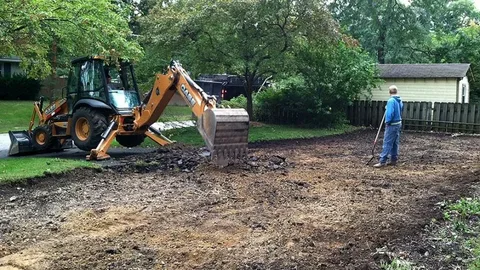
- Cleaning dirt, debris, and loose materials.
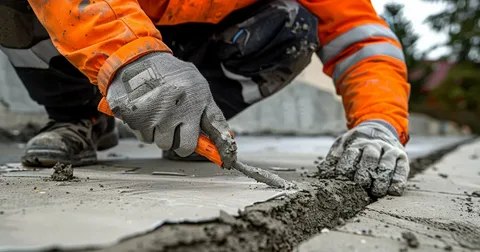
- Repairing suitable cracks and damaged sections.
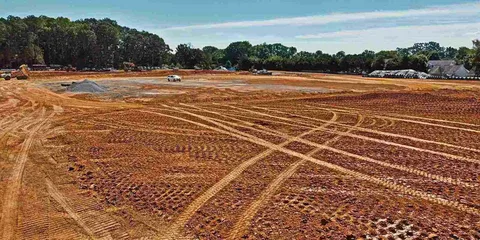
- Preparing edges and adjusting surface levels.
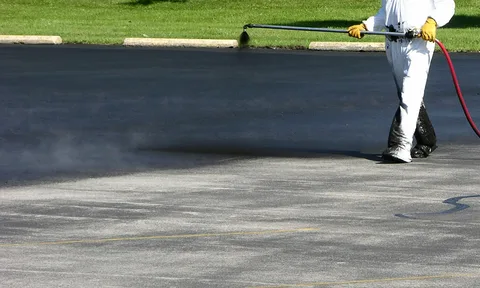
- Applying a new asphalt layer.
- Compacting the material for a consistent finish.
Additionally, proper compaction helps create a dense and durable surface. Contractors also check transitions around driveways, sidewalks, and drainage areas.
An overlay works best when the existing pavement has a stable foundation. However, severely damaged pavement may require reconstruction instead.
When Are Asphalt Overlays the Right Choice?
Not every damaged asphalt surface needs complete replacement. In many cases, an overlay offers a practical option for pavement with surface-level deterioration. However, the existing structure must remain strong enough to support the new layer.
A professional inspection helps determine the most appropriate solution. Contractors consider pavement age, traffic conditions, drainage, and visible damage before recommending work.
Choosing the Best Asphalt Overlays for Your Property
The right durable asphalt overlays can improve pavement appearance and provide a smoother driving surface. However, the existing pavement condition should guide every decision.
Here are five factors property owners should consider:
- Surface condition: Minor cracks and fading may indicate that an overlay deserves consideration.
- Structural stability: Soft spots and widespread base failures may require deeper repairs.
- Drainage: Standing water can weaken pavement and shorten its service life.
- Traffic levels: Heavy vehicles place greater demands on asphalt surfaces.
- Surface height: Additional asphalt can affect curbs, entrances, and drainage transitions.
Furthermore, contractors should check whether the existing surface has major depressions or uneven sections. These issues may require correction before installation.
An overlay cannot fix every pavement problem. Therefore, an honest assessment matters more than choosing the quickest option.
Benefits of Professional Asphalt Overlay Services
Asphalt overlays offer several advantages when contractors apply them to suitable surfaces. They can refresh aging pavement while keeping much of the existing structure in place.
Moreover, the process may reduce material removal and construction disruption compared with complete replacement. The actual savings depend on the property’s condition and project requirements.
Why Proper Installation Matters
Professional asphalt overlay services involve more than spreading fresh asphalt. Contractors must prepare the surface, select appropriate materials, and maintain consistent application.
Consider these five practical benefits:
- Improved appearance: Fresh asphalt creates a cleaner and more uniform surface.
- Smoother travel: Proper installation can improve driving and parking conditions.
- Less removal work: Suitable projects may require less demolition than full replacement.
- Better pavement protection: A new layer can protect a properly prepared existing surface.
- Improved property presentation: Maintained pavement creates a better impression for visitors and customers.
Additionally, experienced contractors understand the importance of proper grading and compaction. These details help reduce premature surface problems.
What to Expect From Asphalt Overlay Contractors
Choosing the right contractor plays an important role in the success of a paving project. Good workmanship starts with accurate inspections and clear communication.
Property owners should look beyond the initial estimate. Instead, consider the contractor’s preparation process, material recommendations, and approach to existing pavement problems.
Finding Reliable Asphalt Overlay Contractors
Experienced asphalt overlay contractors understand how different pavement conditions affect installation. They also explain when an overlay may not provide a suitable long-term solution.
Before selecting a contractor, consider these five points:
- Inspection process: Ask how the contractor evaluates the existing pavement.
- Repair recommendations: Confirm how cracks, potholes, and weak areas will be addressed.
- Material selection: Discuss the asphalt mix and its suitability for expected traffic.
- Project planning: Understand the preparation, installation, and completion schedule.
- Written estimates: Request clear information about the project scope and costs.
Furthermore, ask about surface preparation and compaction procedures. These steps directly affect the finished pavement.
Houston Asphalt and Concrete understands that every paving property has different requirements. A suitable project plan should reflect the existing surface, expected traffic, and intended use.
Planning Parking Lot Overlays for Long-Term Performance
Commercial parking lots experience constant pressure from vehicles, turning movements, and changing weather. Over time, these conditions can cause surface deterioration.
Therefore, property managers should monitor pavement regularly. Early inspections can identify developing problems before they become more difficult to address.
Preparing Commercial Areas for New Asphalt
Professional parking lot overlays in Rosenberg, TX can refresh suitable commercial surfaces and improve everyday usability. However, contractors must consider traffic flow, drainage, and existing pavement strength.
Five planning considerations can help property owners prepare:
- Traffic management: Plan vehicle access and temporary closures before construction.
- Drainage improvements: Address water accumulation and incorrect surface slopes.
- Pavement markings: Plan for repainting parking spaces and directional markings.
- Accessibility: Check entrances, pedestrian routes, and required accessible spaces.
- Maintenance planning: Establish regular inspections after project completion.
Additionally, businesses should communicate construction schedules to employees and visitors. Clear arrangements can reduce confusion during installation.
After completion, follow the contractor’s guidance about reopening the pavement. Proper curing and cooling conditions depend on the project and weather.
Maintaining Your Newly Overlaid Asphalt Surface
An asphalt overlay needs regular care to maintain its condition. Although a fresh surface can improve pavement performance, neglect can lead to avoidable damage.
Routine inspections help property owners identify small concerns early. Moreover, proper maintenance supports the value of the paving investment.
Practical Ways to Protect Your Asphalt Investment
The following five practices can help maintain an overlaid surface:
- Clean regularly: Remove dirt, leaves, and debris that collect on the pavement.
- Monitor cracks: Arrange suitable repairs when new cracks appear.
- Control drainage: Keep drains clear and address standing water.
- Manage heavy traffic: Avoid unnecessary loading in areas with limited pavement capacity.
- Schedule inspections: Check the surface periodically for wear and deterioration.
Furthermore, sealcoating may help protect asphalt when applied at the appropriate time. However, it does not replace structural repairs or correct drainage problems.
Property owners in Richmond and nearby communities should also consider local weather conditions. Heat, rainfall, and regular vehicle use can affect pavement performance.
Consistent maintenance helps preserve the appearance and function of a newly overlaid surface.
Conclusion
A well-maintained asphalt surface supports safer access, better appearance, and everyday convenience. However, achieving reliable results requires more than adding a fresh layer of asphalt. Property owners must first understand the condition of their existing pavement.
A professional inspection helps determine whether an overlay offers a suitable solution. Furthermore, proper preparation, quality materials, and consistent compaction all contribute to pavement performance.
For property owners seeking reliable parking lot overlays in Richmond, TX, understanding these factors can make project planning easier. Businesses and property managers in Rosenberg can also benefit from evaluating their pavement before surface problems become more extensive.
Choosing experienced contractors also helps property owners understand their available options. They can explain necessary repairs, discuss installation requirements, and recommend appropriate maintenance practices.
Moreover, regular inspections can help protect the finished surface over time. Addressing drainage issues and minor damage early may prevent more costly repairs later.
Houston Asphalt and Concrete can help property owners explore suitable paving solutions based on their surface conditions and project goals. With careful planning and proper maintenance, an asphalt overlay can provide a practical improvement for suitable pavement.
FAQs
What is an asphalt overlay?
An asphalt overlay adds a new layer of asphalt over an existing paved surface that remains structurally suitable.
How do I know if my pavement needs an overlay?
Minor surface deterioration, fading, and manageable cracking may indicate that an overlay is worth considering. A professional inspection can confirm suitability.
How long does an asphalt overlay take to install?
Project duration depends on the pavement area, preparation requirements, weather, and installation conditions.
Can contractors install overlays on parking lots?
Yes. Contractors can install parking lot overlays when the existing pavement has a suitable foundation and drainage conditions.
How can I maintain an asphalt overlay?
Clean the surface, monitor cracks, maintain proper drainage, and schedule periodic pavement inspections.