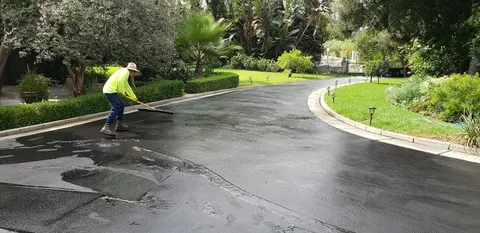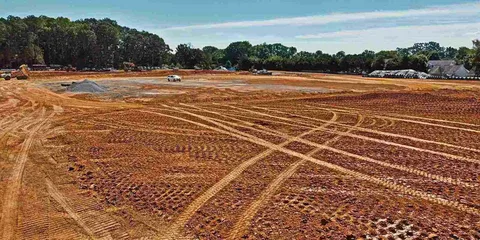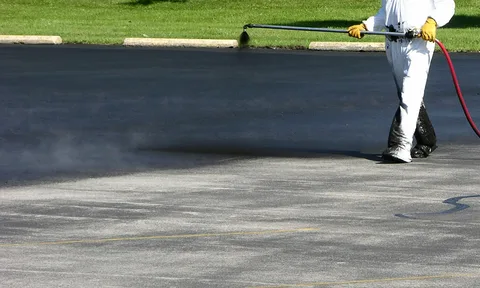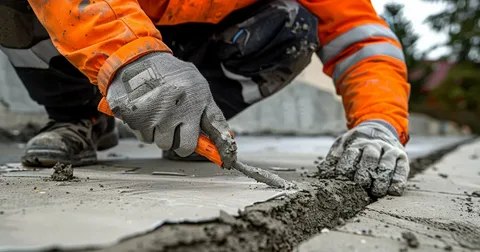
A well-prepared property starts with properly shaped and leveled ground. Uneven land can create drainage problems, affect building foundations, and make outdoor spaces difficult to use. Therefore, proper ground preparation plays a major role in residential and commercial projects. It helps create a stable base for construction, paving, landscaping, and other improvements.
Property owners in Richmond, TX, and Rosenberg, TX, often need professional land preparation before starting a project. Soil conditions, natural slopes, and water movement can all affect the results. For this reason, experienced contractors assess the property before moving or leveling the soil.
Houston Asphalt and Concrete understands the value of careful site preparation. The company focuses on creating properly prepared surfaces that support different property needs. With reliable equipment and thoughtful planning, expert grading services help address uneven terrain and improve ground conditions.
Moreover, proper preparation can reduce future maintenance concerns. It also helps contractors create a suitable starting point for the next stage of construction.
Why Proper Land Grading Matters
Land grading involves changing the shape and elevation of the ground to create a suitable surface. Contractors remove excess soil, fill low areas, and adjust slopes according to project requirements. Consequently, the property becomes more practical and ready for its intended use.
Poorly prepared ground can cause several problems. Water may collect near buildings, soil may shift, and paved surfaces may develop uneven areas. However, careful planning helps reduce these risks.
How Professional Ground Preparation Supports Your Property
Reliable expert Grading Services help establish a stable surface for future improvements. Contractors first examine the existing terrain and identify areas that need attention.
Proper grading offers several benefits:
- Better drainage: Appropriate slopes guide rainwater away from buildings.
- Improved stability: Compacted soil provides a stronger base for construction.
- Safer surfaces: Level areas reduce uneven ground around driveways and walkways.
- Construction readiness: Proper preparation supports paving and building projects.
- Reduced maintenance: Correct ground shaping can help prevent recurring surface problems.
Furthermore, grading decisions should match the property’s purpose. A driveway requires different preparation than a building site or landscaped yard. Therefore, contractors should consider the final use before selecting an approach.
How Professional Grading Services Prepare Land
Every property has different ground conditions. Some sites contain low spots, while others have slopes or loose soil. Therefore, contractors must evaluate the land before choosing the right equipment and preparation method.
The process usually begins with a site inspection. Contractors examine elevations, soil conditions, existing structures, and drainage patterns. Afterward, they determine how much soil needs to move.
What Happens During Expert Site Preparation?
Dependable reliable Grading Services follow a planned process instead of relying on guesswork. This approach helps create consistent results and prepares the property for upcoming work.
Here are five practical steps involved:
- Site assessment: Examine the land and identify uneven sections.
- Elevation planning: Determine the required surface heights and slopes.
- Soil removal: Clear excess soil from areas that need adjustment.
- Filling low spots: Add suitable material where the ground needs support.
- Surface compaction: Compact prepared soil to improve stability.
Moreover, contractors may use grading equipment such as bulldozers, motor graders, and compactors. Each machine serves a different purpose.
The right equipment depends on property size and project conditions. Additionally, contractors should check the finished elevations before moving to the next construction stage.
Residential and Commercial Grading Requirements
Residential and commercial properties have different preparation needs. A homeowner may need a level yard, driveway preparation, or better drainage. In contrast, commercial projects often involve larger areas and more detailed site requirements.
Therefore, contractors should understand the intended use of the property before beginning work.
Choosing the Right Grading Approach
Quality Professional Grading Services help prepare different property types according to their specific requirements.
Five common considerations include:
- Property size: Larger sites may require additional equipment and planning.
- Soil conditions: Soil type affects excavation, filling, and compaction.
- Drainage needs: Surface slopes should direct water toward suitable drainage areas.
- Future construction: Ground preparation should support the planned improvements.
- Access requirements: Contractors need enough space to operate equipment safely.
For example, Residential Grading Services can prepare yards, driveways, and outdoor areas for improvement. Meanwhile, Commercial Grading Services may support parking areas, building sites, and larger development projects.
Both require proper measurements and suitable soil preparation. However, commercial properties may also involve additional engineering plans, permits, and drainage requirements.
Drainage Planning and Soil Stability
Water management is one of the most important parts of land preparation. Rainwater naturally follows the slope of the ground. If the surface directs water toward buildings, it can create pooling and erosion concerns.
Consequently, contractors must consider drainage when shaping the property. They should examine existing slopes and identify suitable areas for water runoff.
Practical Ways to Improve Ground Conditions
Proper Residential Grading Services can help homeowners address uneven surfaces and improve the direction of surface water. However, contractors must consider surrounding properties and existing drainage systems.
Five useful practices include:
- Check natural slopes: Understand how water currently moves across the property.
- Identify low areas: Locate spots where rainwater collects.
- Plan water flow: Establish suitable slopes without directing water toward neighboring land.
- Use appropriate soil: Select suitable fill material for the project.
- Compact carefully: Ensure the prepared ground provides consistent support.
Additionally, contractors should consider soil erosion and ground settlement. Loose soil can shift over time, especially after heavy rainfall.
Preparing Your Property for Long-Term Use
Good preparation does more than create an attractive surface. It helps establish the ground conditions needed for future construction and outdoor improvements.
For example, driveways require a properly prepared base to support regular vehicle traffic. Similarly, parking areas need suitable elevations and drainage to handle everyday use.
Five Factors to Consider Before Starting
Experienced Commercial Grading Services in Rosenberg, TX consider several details before beginning a project:
- Project goals: Define whether the property needs paving, construction, or landscaping preparation.
- Site measurements: Check existing elevations and required finished heights.
- Soil quality: Identify whether the ground needs additional preparation.
- Drainage planning: Consider where rainwater will flow after completion.
- Final inspection: Review the prepared surface before starting the next stage.
Furthermore, property owners should discuss project requirements with their contractors. Clear communication helps prevent misunderstandings about surface levels and drainage expectations.
For properties in Richmond and Rosenberg, local site conditions should guide preparation decisions. Soil composition, rainfall, and existing property layouts can influence the work. Therefore, a site-specific assessment is always useful.
Conclusion
Proper land preparation creates a strong starting point for residential and commercial improvements. From driveway construction to building projects, a carefully prepared surface supports stability, drainage, and long-term usability. However, successful results depend on more than simply moving soil. Contractors must understand ground conditions, elevations, and the property’s intended purpose.
Property owners should consider the condition of their land before starting construction. Uneven surfaces, poor drainage, and loose soil can create problems during later stages. Therefore, early planning can help reduce avoidable complications.
For homeowners, expert Residential Grading Services in Richmond, TX can help prepare yards, outdoor spaces, and driveways for improvement. Likewise, businesses can benefit from properly planned commercial site preparation in Rosenberg, TX. Choosing the right approach makes it easier to create a stable foundation for future work.
Houston Asphalt and Concrete provides property owners with grading solutions designed around their project requirements. The right preparation process considers surface levels, soil conditions, and water movement.
Ultimately, careful planning and professional workmanship help properties become more functional and construction-ready. Before beginning your next project, arrange a property assessment to understand the work your land requires.
FAQs
What are grading services used for?
Grading prepares land by adjusting its elevation and slope. It creates suitable surfaces for construction, paving, landscaping, and drainage.
Why is land grading important before construction?
It helps create a stable base, improves surface drainage, and reduces problems caused by uneven ground.
How do residential and commercial grading differ?
Residential projects often focus on yards, driveways, and outdoor spaces. Commercial projects usually involve larger areas, parking lots, and building sites.
Can grading help prevent water from collecting in my yard?
Yes. Proper surface slopes can guide rainwater away from buildings and reduce unwanted pooling.
When should I schedule grading work?
Schedule grading before installing driveways, building foundations, parking areas, or landscaping features. A site inspection can help determine the right preparation process.