Commercial parking lots, access roads, and paved business areas experience regular vehicle traffic that can gradually wear down their surfaces. Fading, minor cracking, and surface deterioration can affect pavement appearance and everyday use. Houston Asphalt and Concrete provides asphalt paving and repair solutions for commercial properties, helping property owners address pavement conditions through suitable maintenance and improvement work. When an existing asphalt surface becomes worn, an overlay may be an option if the underlying pavement is still structurally suitable.
What Is an Asphalt Overlay?
An asphalt overlay involves placing a new layer of asphalt over an existing paved surface after the necessary inspection and preparation. It can improve the appearance and usability of pavement that has surface wear but still has a suitable underlying structure. Rather than removing the entire existing pavement, the process uses the existing surface as the foundation for the new layer, provided its condition allows this approach.
Overlays may be considered for commercial parking lots, private access roads, and other paved areas where the existing asphalt has become rough, faded, or worn. The suitability of this method depends on the severity of cracking, drainage conditions, surface levels, and the condition of the base. A new layer should not simply cover serious structural problems.
Property owners should understand that an overlay is not the right solution for every damaged parking lot. Extensive potholes, widespread settlement, unstable base material, and significant drainage problems may require repairs or reconstruction before resurfacing can be considered. A proper site assessment helps determine whether an overlay is appropriate.
When to Consider Commercial Asphalt Overlay Services
Commercial asphalt overlay services may be suitable when a commercial pavement surface shows widespread wear but remains stable underneath. The purpose of the inspection is to identify which issues can be addressed through resurfacing and which require more extensive work. This distinction helps property owners avoid investing in a new surface layer that may not resolve existing pavement failures.
Signs that an overlay may be worth evaluating include fading asphalt, surface roughness, minor cracking, and general wear across a parking area. The pavement should also be checked for drainage concerns and differences in elevation. If the existing surface is stable and properly prepared, an overlay may provide a renewed pavement surface without complete removal.
Commercial property owners should also consider how the paved area is used. Parking lots with regular vehicle movement, delivery access, and turning traffic may experience different wear patterns from areas with lighter use. The proposed overlay should account for these conditions, along with the site’s layout and existing pavement structure.
How the Asphalt Overlay Process Works
A successful overlay project requires more than placing a new asphalt layer over an old one. The existing pavement must be evaluated and prepared so the new material can bond properly and provide a consistent finished surface. The exact process depends on the condition of the commercial property.
1. Inspecting the Existing Pavement
The first step is to inspect the entire paved area. Contractors look for cracks, potholes, depressions, loose asphalt, and areas where water collects. They also assess whether the existing pavement appears stable enough to support an additional layer.
The inspection should identify localized damage and wider pavement concerns. For example, a parking lot may have a generally worn surface but also contain a few sections with deeper settlement. Those damaged sections may need separate repairs before an overlay can be installed.
2. Repairing Damaged Sections
Any unsuitable areas should be addressed before resurfacing begins. Potholes, broken pavement, and unstable sections may need to be removed and repaired. If the underlying base has deteriorated, simply covering the damaged area with new asphalt may allow the problem to return.
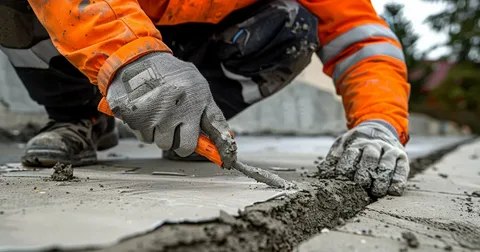
Cracks should also be evaluated according to their size and condition. Minor surface cracks may require appropriate treatment, while wider or interconnected cracking may indicate more serious pavement movement. Completing necessary repairs first helps create a more consistent surface for the overlay.
3. Cleaning and Preparing the Surface
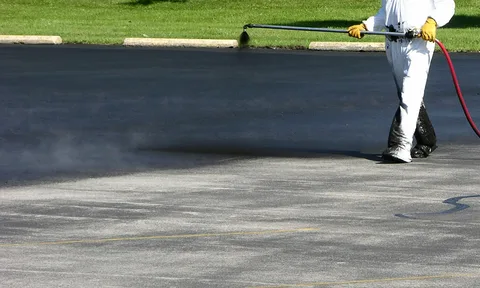
The existing asphalt must be cleaned before the new layer is placed. Dirt, loose material, vegetation, and other debris can interfere with the bond between the old and new pavement. Contractors prepare the surface according to the project’s requirements so the overlay can be installed over a suitable foundation.
Surface levels and transitions should also be reviewed. Areas near entrances, drainage structures, sidewalks, and adjoining pavement may need adjustments to accommodate the additional asphalt layer. Proper preparation helps avoid abrupt changes in elevation.
4. Applying the Asphalt Overlay
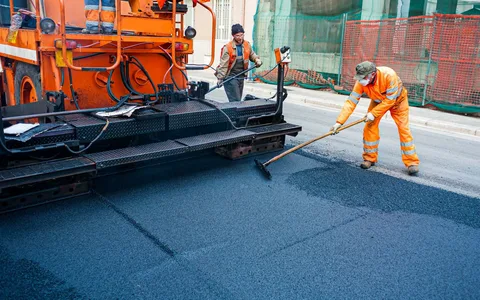
Once the existing pavement has been inspected, repaired, and prepared, the new asphalt layer can be placed. The material is distributed across the designated area and compacted using suitable equipment. Proper placement and compaction help create a consistent surface and support the performance of the finished pavement.
The required layer thickness depends on the project design and the condition of the existing pavement. Contractors should consider traffic levels, pavement use, and site conditions when planning the overlay.
5. Reviewing the Finished Surface
After installation, the finished pavement should be checked for consistency, edges, transitions, and drainage behavior. Areas around parking spaces, entrances, and other access points need particular attention because they affect daily property use.
Property owners should also receive instructions about when the resurfaced area can reopen to traffic. The timing depends on project conditions, materials, and weather, so the contractor’s guidance should be followed.
Commercial Asphalt Overlay Projects in Rosenberg, TX
Commercial properties in Rosenberg may have parking areas, business entrances, private roads, and other paved spaces that experience regular vehicle activity. Over time, these surfaces can develop fading, roughness, and other signs of wear. An overlay may be worth considering when the existing pavement remains structurally suitable but needs a renewed surface.
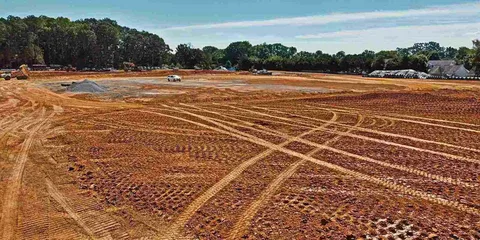
Before planning commercial asphalt overlay services in Rosenberg, property owners should consider the entire paved area rather than focusing only on its most visible sections. A parking lot may have worn driving lanes, damaged parking spaces, or low spots near drainage points. Each condition should be reviewed to determine whether surface preparation, localized repairs, grading, or more extensive work is required.
Businesses can review commercial asphalt pavement services in Rosenberg, TX for information about local paving and pavement services. An on-site inspection can help establish whether resurfacing is appropriate and what preparation should be completed before installation.
Asphalt Overlay Considerations for Commercial Properties in Richmond, TX
Commercial pavement in Richmond serves different types of properties, including retail spaces, offices, and other business locations. The amount of traffic and the type of vehicles using each property can influence how quickly asphalt wears. Parking areas with frequent turning movements or delivery traffic may develop localized damage that needs attention before resurfacing.
Drainage should also be considered during project planning. Existing low spots, blocked drainage routes, or unsuitable pavement slopes may affect the condition of the surface. Adding another asphalt layer without considering these problems can leave the underlying cause unresolved. Contractors should review surface elevations and connections to surrounding areas before recommending an overlay.
Property owners researching parking lot resurfacing in Richmond, TX can visit the commercial asphalt paving services in Richmond, TX area page. The right project plan should reflect the existing pavement condition, the property’s traffic requirements, and any repairs needed before resurfacing.
Benefits and Limitations of Asphalt Overlays
An asphalt overlay can be a practical option for commercial properties when the existing pavement is in suitable condition. It can renew a worn surface, improve the appearance of a parking area, and reduce the need for complete pavement removal. However, the results depend on proper preparation and the condition of the underlying structure.
Potential Benefits
- Improved surface appearance: A new asphalt layer can create a cleaner and more consistent appearance across worn parking areas and access roads.
- Updated pavement surface: Resurfacing can address general surface wear when the existing pavement remains stable.
- Less extensive removal: Where conditions allow, an overlay may avoid removing and replacing the entire paved area.
- Improved usability: A properly completed project can provide a smoother surface for vehicles and everyday commercial traffic.
Important Limitations
An overlay cannot automatically correct deep structural damage. If the existing pavement has widespread settlement, severe potholes, or a failing base, additional repairs or reconstruction may be necessary. Drainage issues and unsuitable surface elevations must also be considered before installation.
For this reason, commercial asphalt overlay services should begin with an evaluation rather than an assumption that every worn parking lot can be resurfaced. A contractor should explain any limitations identified during the inspection and describe the work needed before a new layer is installed.
Maintaining Commercial Pavement After Resurfacing
Once an overlay project is complete, routine maintenance can help property owners monitor the condition of the new surface. Regular inspections are especially useful for commercial locations because vehicle movement, delivery activity, and changing weather can gradually affect pavement.
Property managers should check for cracks, loose asphalt, standing water, and damage near parking spaces or entrances. Drainage areas should remain clear so water can move away from the paved surface. Any new pavement damage should be assessed before it spreads or affects a larger section of the property.
Parking lot markings should also be reviewed after resurfacing. If the project changes the surface appearance or covers existing markings, new striping may be needed to identify parking spaces, accessible spaces, directional lanes, and pedestrian areas. Clear markings help organize vehicle movement and make the parking area easier to navigate.
A regular pavement maintenance services schedule can help property owners identify developing issues and plan repairs according to the pavement’s condition. Houston Asphalt and Concrete offers paving and related pavement services that commercial property owners can discuss when planning future maintenance.
Choosing a Contractor for Commercial Asphalt Overlay Work
Choosing the right contractor is important because the condition of the existing pavement determines whether an overlay is suitable. Property owners should look for a company that evaluates the site, identifies damaged sections, and explains the preparation required before resurfacing.
Before approving a proposal, discuss the following project details:
- Pavement inspection: Ask how the contractor will evaluate cracks, potholes, settlement, and the condition of the existing surface.
- Repair requirements: Confirm which damaged sections need attention before the overlay is installed.
- Surface preparation: Understand how the pavement will be cleaned and prepared for the new asphalt layer.
- Drainage and elevations: Discuss how the project will handle existing slopes, drainage structures, and connections to adjoining surfaces.
- Traffic management: Ask how access to parking spaces and business entrances will be managed during construction.
A written estimate should describe the work area, preparation steps, materials, and any additional repairs included in the project. Property owners should also understand the expected project schedule and when the paved area can reopen to vehicles.
Improve Commercial Pavement With Professional Asphalt Overlay Services
Worn commercial pavement does not always require complete removal and replacement. When the existing structure remains suitable, resurfacing may provide an effective way to renew the surface and improve the appearance of a parking lot or access road. However, the decision should be based on a proper inspection of the pavement, its drainage, and the condition of the supporting base.
Commercial asphalt overlay services are most appropriate when the existing pavement can support a new layer after the necessary preparation and repairs. Property owners in Rosenberg and Richmond should consider traffic requirements, surface damage, drainage conditions, and pavement levels before moving forward.
Houston Asphalt and Concrete provides asphalt paving, repair, overlays, grading, and other pavement solutions for commercial and residential properties in the Houston area. Business owners can discuss their pavement concerns with the team and request an assessment to determine which approach is suitable for their property.