A properly paved driveway provides a practical surface for parking, vehicle access, and everyday movement around a home. Asphalt is commonly selected for residential driveways because it creates a continuous paved surface that can be shaped to fit different property layouts. Houston Asphalt and Concrete provides paving solutions for residential and commercial properties, helping homeowners plan projects around their site conditions and access requirements. Before installing a new driveway, it is important to evaluate the ground, drainage, available space, and expected vehicle use.
Why Homeowners Choose Asphalt for Driveways
Asphalt driveways offer a smooth, consistent surface that can suit different residential property styles. The material can be installed along straight entrances, curved driveways, and wider parking areas, allowing the layout to match the available space. A well-planned driveway can also create a clear connection between the street, garage, and other paved sections of the property.
Another consideration is the construction process. Asphalt is placed and compacted using equipment suited to the project area. The installation plan should account for the driveway’s dimensions, ground conditions, and the amount of preparation required. Proper planning helps ensure that the finished pavement has suitable support and connects correctly with surrounding surfaces.
Homeowners should also consider how the driveway will be used. A property with several vehicles may require a wider paved area, while a smaller home may need only a single access lane and parking space. Vehicle turning areas, garage entrances, slopes, and pedestrian access should all be considered when developing the layout.
Planning Residential Asphalt Driveway Paving
Residential asphalt driveway paving begins with an assessment of the proposed installation area. Contractors review the existing ground, determine the required driveway dimensions, and identify conditions that may affect construction. This step helps establish the scope of work and whether grading, excavation, or additional base preparation will be necessary.
The driveway’s slope and drainage also need attention. Rainwater should be directed away from the home and other areas where standing water could cause problems. If the proposed driveway crosses uneven ground, the contractor may need to adjust the surface profile to create a practical transition between the street, garage, and adjoining pavement.
Planning should also account for existing features such as sidewalks, landscaping, drainage structures, utility access points, and property boundaries. These details influence the driveway’s position and finished elevations. Reviewing them before work starts can help prevent avoidable changes during installation.
Steps Involved in Asphalt Driveway Installation
A new driveway needs a prepared foundation and a carefully completed paving process. Each stage contributes to the finished surface, from evaluating the ground to compacting the asphalt. The exact work depends on the property, the proposed driveway design, and the condition of the existing site.
Site Evaluation and Driveway Layout
The first step is to inspect the area where the driveway will be installed. Contractors consider the ground condition, available space, slope, drainage, and access from the street. They also review where vehicles will enter, turn, park, and reach the garage.
Once the site has been assessed, the driveway layout can be marked. This establishes the planned width, length, edges, and connection points. Homeowners should discuss any additional parking space or turning requirements at this stage so the design reflects how the driveway will be used.
Excavation and Grading
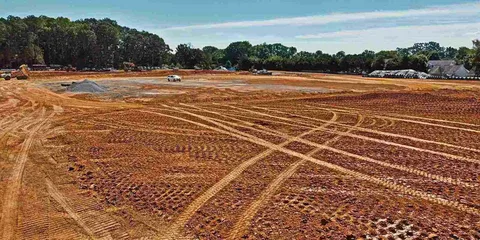
If the area contains grass, loose soil, or unsuitable material, it may need to be removed before paving. Excavation creates space for the required base and asphalt layers. The depth of excavation depends on the existing ground and the planned driveway construction.
Grading establishes the intended elevations and slope. This is especially important where the driveway meets a garage, sidewalk, or public road. A suitable profile helps manage water movement and creates a more consistent transition between adjoining surfaces.
Base Preparation and Compaction
The base supports the asphalt and helps distribute vehicle loads across the prepared ground. After excavation and grading, suitable base material may be placed and compacted according to the project’s requirements. The prepared area should provide consistent support rather than having soft or unstable sections.
Insufficient base preparation can contribute to settlement, depressions, and premature pavement damage. For this reason, the contractor should assess the ground before deciding what preparation is required. The base should be checked before asphalt placement begins.
Asphalt Placement and Compaction
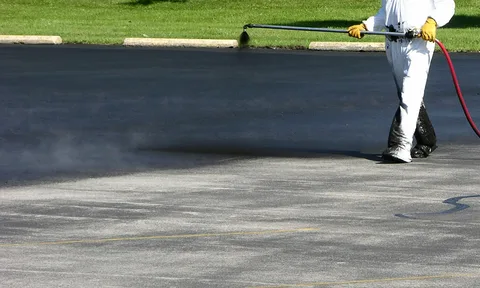
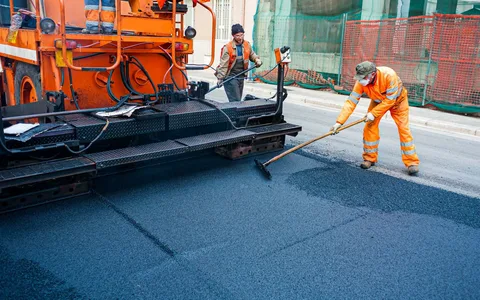
Once the foundation is ready, asphalt is placed across the prepared driveway area. The material is spread to achieve the planned thickness, shape, and surface profile. The installation team then compacts it using appropriate equipment to create a consistent finished pavement.
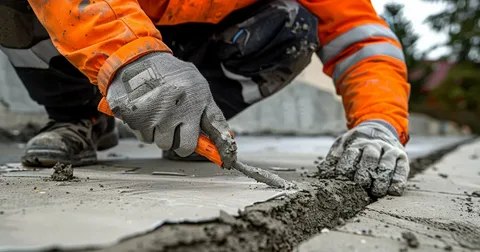
Edges and transitions need attention during this stage. The driveway should connect properly with the garage entrance, street, and any adjoining paved areas. The final surface should follow the planned slope so water can drain as intended.
Final Review and Use Instructions
After paving is completed, the contractor should review the surface, edges, and connections. Homeowners should also receive instructions about when the driveway can be used and how to care for the new pavement. Following these instructions can help avoid unnecessary stress on the surface during its initial period of use.
Residential Asphalt Driveway Paving in Katy, TX
Katy homes have a range of driveway layouts, including short entrances, wider parking areas, and longer driveways that connect to garages set farther back from the street. The paving plan should reflect the property’s available space and the number of vehicles that regularly use the driveway. A layout that works for one property may not be suitable for another.
Homeowners should consider how vehicles will enter and leave the property. Tight turning areas, sloped entrances, and narrow connections can affect everyday use. The driveway should provide enough practical space while maintaining suitable drainage and access to nearby areas.
For property owners researching residential asphalt paving in Katy, TX, the local asphalt paving services in Katy, TX page provides information about service availability in the area. An on-site evaluation can help determine the required preparation, driveway dimensions, and paving approach based on the property’s actual conditions.
Driveway Installation Considerations in Richmond, TX
Residential properties in Richmond may have different ground conditions, lot sizes, and driveway requirements. Some homeowners may be planning a new paved entrance, while others may need to replace an older surface that no longer provides suitable access. The condition of the existing ground should be considered before selecting an installation method.
Drainage is an important part of the planning process. The driveway’s slope should work with the property’s existing drainage arrangements instead of directing runoff toward the garage, foundation, or neighboring areas. If the site has low spots or uneven ground, grading may be needed before the base is installed.
Homeowners looking for asphalt driveway installation in Richmond, TX can review the local asphalt paving services in Richmond, TX page. The driveway design should be based on the property’s layout, ground condition, and intended vehicle use rather than relying on a standard installation plan.
Factors That Affect the Quality of a New Asphalt Driveway
Several construction details influence how a new driveway performs over time. Material selection is important, but it cannot compensate for an unsuitable foundation or poor drainage. Homeowners should understand the main factors involved before approving the project.
Ground Stability
The existing soil provides support beneath the driveway base. If the ground is soft, uneven, or poorly compacted, the pavement may settle under repeated vehicle loads. Contractors should identify these conditions during the initial assessment and determine whether additional preparation is needed.
Drainage and Surface Slope
Water should not remain on the driveway for extended periods or collect beside the home’s foundation. The finished surface needs a suitable slope that directs runoff toward an appropriate drainage area. Drainage should be considered during grading, not treated as an afterthought once paving is complete.
Driveway Thickness and Intended Use
The driveway’s construction should reflect the vehicles expected to use it. A surface intended mainly for passenger cars may have different requirements from an area that regularly supports heavier vehicles. Contractors should consider the expected loads when planning the pavement structure.
Edges and Connections
Driveway edges and transitions can be vulnerable if they are not properly supported or connected. The areas near sidewalks, garages, and roads should be planned carefully so the pavement meets adjoining surfaces without creating inconvenient height differences or weak edges.
Maintaining an Asphalt Driveway After Installation
A new driveway still needs regular attention to maintain its condition. Homeowners should inspect the surface periodically for cracks, loose material, depressions, or areas where water collects. Identifying these changes early can help prevent minor concerns from developing into more extensive pavement damage.
Keep the driveway clear of leaves, dirt, and other debris. Oil and vehicle-fluid spills should be cleaned using suitable products because some substances can affect asphalt surfaces. Avoid placing unusually heavy loads on areas that were not designed to support them, and follow the contractor’s instructions about using the pavement after installation.
Regular asphalt driveway maintenance should also include checking the driveway edges and drainage paths. If water begins collecting near the garage or along one side of the pavement, the surface slope or surrounding ground may need attention. Any new cracks or settlement should be assessed to determine whether a repair is necessary.
Choosing the Right Asphalt Paving Contractor
Selecting a contractor is an important part of planning a successful driveway project. Homeowners should look for a company that evaluates the site and explains the work required before providing an estimate. A proper assessment should cover excavation, grading, base preparation, asphalt placement, compaction, and drainage.
Ask what materials and preparation methods are proposed for the project. The contractor should also explain how the driveway will connect with existing surfaces and whether any additional grading or drainage work is required. These details help homeowners understand the scope of the installation and compare estimates more accurately.
Experienced asphalt paving contractors should be able to explain how the proposed construction will suit the property’s layout and expected vehicle use. A written estimate should clearly describe the work area, preparation requirements, materials, and any additional services included in the project.
Get Professional Residential Asphalt Driveway Paving in Katy
A new asphalt driveway can improve property access and provide a defined parking surface, but its quality depends on careful planning and construction. Site evaluation, excavation, grading, base preparation, asphalt placement, and compaction all contribute to the finished result. Each stage should be considered according to the property’s ground conditions and intended use.
Residential asphalt driveway paving should not be approached as simply placing asphalt over the existing ground. A suitable installation plan addresses the foundation, drainage, driveway dimensions, and connections to nearby surfaces. Homeowners in Katy and Richmond should consider these factors before beginning a new paving project.
Houston Asphalt and Concrete provides asphalt paving, repair, overlays, grading, and other pavement services for properties in the Houston area. Homeowners can discuss their driveway plans with the team and request an assessment based on the site conditions. With proper preparation and a suitable installation approach, a new driveway can provide a practical surface for everyday residential use.