A concrete walkway provides a clear and stable path between a home’s entrance, driveway, patio, garden, and other outdoor areas. When the walkway is properly planned, it can improve access, organize the landscape, and make everyday movement around the property more convenient. Houston Asphalt and Concrete provides concrete paving solutions for residential and commercial properties, including walkways and other exterior surfaces. Homeowners planning a new path should consider its location, dimensions, ground conditions, and connection to existing areas before construction begins.
Why a Well-Planned Concrete Walkway Matters
A walkway should do more than connect two points. It needs to provide a practical route that fits the property’s layout and remains comfortable to use. A narrow path may be sufficient for a side entrance, while a main entrance walkway may need more width to accommodate two people walking together. The route should also account for gates, steps, landscaping, outdoor seating, and other features that influence movement.
A properly planned walkway can help reduce foot traffic across lawns and garden beds. It can also create a defined route for visitors, making the entrance easier to locate. For homes with multiple outdoor access points, separate paths may connect the driveway, garage, backyard, and patio without requiring people to walk across uneven ground.
The appearance of the walkway is another consideration. Its shape, width, edges, and finish should complement the surrounding property. Straight paths can create a simple and organized appearance, while curved layouts may work better around gardens or landscape features. These decisions should be made before construction so the finished path serves both practical and visual purposes.
Important Factors Before Installing a Concrete Walkway
Before beginning residential concrete walkway installation, homeowners should evaluate the area where the path will be built. The ground may contain slopes, soft soil, tree roots, existing pavement, or drainage patterns that affect the construction process. Understanding these conditions helps determine the required preparation and the most suitable walkway layout.
The intended use also matters. A path used mainly by pedestrians has different requirements from an area that may occasionally support garden equipment or maintenance carts. The contractor should understand how the walkway will be used before deciding on its dimensions, thickness, reinforcement requirements, and construction details.
Access and transitions should be reviewed as well. A walkway connecting to a driveway, porch, or patio should meet those surfaces in a practical way. Abrupt height differences can create inconvenient transitions, while poorly planned slopes may affect comfort and water movement. Careful planning helps create a path that connects naturally with the rest of the property.
How Concrete Walkway Installation Is Completed
The quality of a walkway depends on the preparation and construction steps completed before the surface is ready for use. Residential concrete walkway installation involves more than pouring concrete over the existing ground. The work should follow a planned sequence that accounts for the site’s condition, walkway dimensions, drainage, and intended use.
Site Evaluation and Layout
The first step is to review the proposed walkway area and establish its route. Contractors assess the ground, identify obstacles, and consider how the path will connect with nearby structures and paved surfaces. The layout is then marked to establish the walkway’s width, direction, curves, and boundaries.
This stage is also a good time to review possible changes to the original plan. For example, a path may need to curve around a tree or shift slightly to avoid interfering with a drainage feature. Making these decisions before excavation can reduce unnecessary adjustments during construction.
Excavation and Ground Preparation
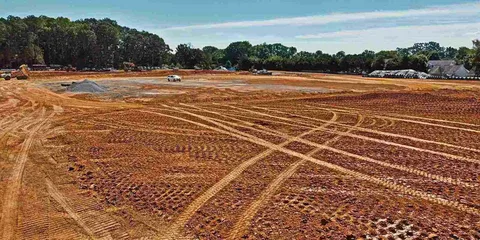
Once the layout is established, the work area is prepared by removing grass, loose soil, roots, and other unsuitable material. Excavation creates the required space for the base and concrete. The depth depends on the project design and site conditions, so it should be determined through proper evaluation rather than using one measurement for every property.
The exposed ground is then shaped and compacted as needed. Soft or unstable sections may require additional preparation to provide consistent support. If the ground is uneven, grading helps establish the planned profile and prepare the area for the next stage.
Base Installation and Form Placement
A suitable base helps support the walkway and provides a prepared surface for concrete placement. The base material is spread and compacted according to the project requirements. Consistent preparation is important because weak or uneven support can contribute to settlement and cracking.
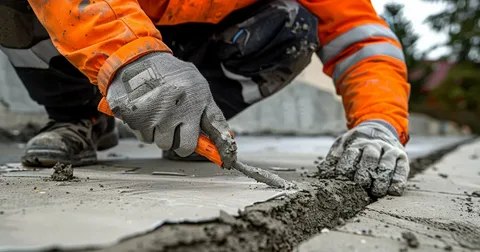
Forms are placed along the walkway boundaries to establish its shape and finished edges. Contractors check the alignment, dimensions, and elevation before concrete is poured. This helps ensure that the walkway follows the planned route and meets adjoining surfaces at appropriate levels.
Concrete Placement and Finishing
After the preparation and forms are ready, concrete is placed within the designated area. It is distributed and finished to create a consistent surface. The finish should suit the walkway’s intended use, with attention to traction, appearance, and practical maintenance.
Joints are also an important part of the construction plan. Concrete naturally changes in volume as it cures and experiences temperature changes. Properly planned joints help manage where cracking may occur, although they cannot guarantee that concrete will remain completely crack-free.
Curing and Final Inspection
Concrete needs sufficient time to cure and develop strength. The required curing process and time before foot traffic depend on the concrete mix, weather, and project conditions. Homeowners should follow the contractor’s instructions about when the walkway can be used and when heavier items can be placed on it.
Before the project is considered complete, the finished path should be reviewed for its alignment, edges, surface finish, transitions, and drainage behavior. Any concerns should be discussed before regular use begins.
Concrete Walkway Planning for Homes in Tomball, TX
Residential properties in Tomball can have different outdoor layouts, from compact front entrances to larger yards with separate garage, patio, and garden access. The walkway should fit the available space without creating unnecessary obstacles or disrupting the property’s existing features. Homeowners should consider where visitors naturally walk and which areas need a more defined route.
A practical layout may connect the driveway to the front entrance, provide access to a side gate, or create a direct path between the house and an outdoor seating area. The location should account for landscaping, irrigation features, downspouts, and existing pavement. These details can influence the route and help avoid conflicts after construction.
Homeowners considering concrete walkway installation in Tomball, TX can review the local service information for concrete paving services in Tomball, TX. The site’s grading and paving conditions should be evaluated before work begins, particularly where the proposed walkway crosses sloped or uneven ground.
Concrete Walkway Considerations for Properties in Spring, TX
In Spring, walkway projects may involve connecting front entrances, driveways, side yards, patios, or other outdoor areas. Some properties may have limited space between the house and boundary, while others have larger yards where a path can follow a more flexible route. The design should reflect the available area and the way residents use the outdoor space.
Drainage deserves attention during planning. A walkway should not unintentionally direct water toward the home’s foundation, collect runoff in low spots, or block an existing drainage route. The contractor should consider surrounding elevations and the direction water naturally moves across the property. Where needed, grading adjustments can help establish a more suitable profile.
For homeowners planning residential concrete walkway installation in Spring, TX, the concrete paving and repair services in Spring, TX page provides information about local concrete work, including walkways and other exterior surfaces. A site-specific plan helps ensure that the new path connects properly with the property’s existing features.
Common Concrete Walkway Problems and How to Prevent Them
Even a newly installed walkway can develop problems if the ground preparation, drainage, or construction details are not handled properly. Understanding common issues helps homeowners know what to monitor and what to discuss with a contractor before installation.
Cracking and Surface Damage
Concrete can develop cracks because of ground movement, inadequate support, shrinkage, or changes in temperature. Some cracking may be minor, but wider cracks, uneven sections, or repeated damage should be evaluated. Proper base preparation and planned joints can help manage common sources of cracking, although no installation method can eliminate every possibility of surface movement.
Uneven Sections and Settlement
A walkway may become uneven when the supporting soil or base shifts. Water movement, poorly compacted ground, and unsuitable fill material can contribute to settlement. If one section sinks, the resulting height difference can make the path less comfortable to walk on. Preparing and compacting the base appropriately helps provide more consistent support.
Water Accumulation
Standing water can affect the walkway’s usability and may create problems around nearby structures. The finished surface should be planned with suitable slopes so water can move toward an appropriate drainage area. Before construction, homeowners should discuss downspouts, low spots, and existing drainage routes with their concrete walkway contractors.
Worn or Slippery Finishes
The surface finish should suit the walkway’s location and expected use. A finish that is too smooth may become slippery when wet, while an excessively rough texture can be uncomfortable to walk on. The contractor should explain the available finishing options and help select one that balances appearance and practical use.
Maintaining a Concrete Walkway After Installation
Routine care can help keep a concrete walkway clean and usable. Homeowners should remove leaves, soil, and other debris regularly, particularly in areas where moisture collects. Dirt and organic material can make the surface look neglected and may become slippery when wet.
Inspect the walkway periodically for cracks, chipped edges, loose adjoining material, or sections that appear to have settled. Pay attention to the joints and the areas where the walkway meets the driveway, porch, or patio. If water begins collecting in a location where it did not previously accumulate, the surface or surrounding ground may need attention.
Avoid using harsh cleaning products without checking whether they are suitable for the concrete finish. For routine cleaning, use an appropriate method that removes dirt without damaging the surface. If stains appear, identify their source before selecting a cleaning product.
When repairs are needed, the affected area should be assessed to determine whether the issue is limited to the surface or involves deeper movement. A small surface defect may require a different solution from a broken or settled section. Houston Asphalt and Concrete evaluates concrete surfaces and considers the condition of the damaged area before recommending repair or replacement.
Choosing the Right Contractor for Your Walkway Project
Selecting a contractor is an important part of planning a successful walkway project. Homeowners should look for a team that evaluates the property before recommending a layout or construction method. A useful assessment should cover the walkway’s dimensions, ground conditions, drainage, access points, and connection to existing surfaces.
Ask the contractor to explain the preparation process, including excavation, base installation, form placement, concrete finishing, and curing. It is also helpful to discuss how joints will be planned and what surface finish is appropriate for the walkway’s location. Clear explanations make it easier to understand the proposed work and compare project estimates.
A written estimate should describe the project area, preparation requirements, materials, and expected work stages. If the property has uneven ground or drainage concerns, those conditions should be discussed before the project begins. Homeowners should also confirm the expected schedule and any restrictions on using the walkway while the concrete cures.
Experienced concrete walkway contractors should be able to explain how the proposed installation will address the property’s specific requirements instead of relying on a standard layout for every home.
Improve Outdoor Access With Professional Concrete Walkway Installation
A well-planned walkway can make a residential property easier to navigate while creating a defined connection between important outdoor areas. Its performance depends on more than the concrete itself. Site evaluation, grading, base preparation, forms, placement, finishing, and curing all contribute to the completed surface.
Residential concrete walkway installation should be planned around the property’s layout, drainage conditions, and everyday use. Homeowners in Tomball and Spring can benefit from considering these factors before choosing the walkway’s route, dimensions, and finish. Regular inspection and appropriate maintenance can also help identify developing problems before they become more difficult to address.
Houston Asphalt and Concrete provides concrete paving and repair solutions for residential and commercial properties, including walkways, driveways, parking areas, and slabs. Homeowners can discuss their project requirements with the team and request an assessment of the proposed installation area. A site-specific approach helps create an outdoor path that fits the property and supports convenient everyday access.