Commercial parking lots are an important part of business properties because they provide access for customers, employees, delivery vehicles, and visitors. A properly constructed parking area improves the appearance of a property while supporting organized vehicle movement and convenient access. However, developing a reliable parking lot requires more than placing asphalt over the ground. Site preparation, grading, drainage, base construction, material placement, and finishing all influence how the pavement performs under regular traffic. Businesses planning commercial asphalt parking lot paving should consider these factors before beginning construction to ensure the finished surface meets the property’s requirements.
A well-designed parking area should reflect the size of the property, expected vehicle volume, available space, and intended use. Retail centers, office buildings, warehouses, and commercial facilities may all require different pavement layouts and construction approaches. Houston Asphalt and Concrete provides asphalt paving, concrete work, grading, repairs, and parking lot improvement solutions for commercial properties. Understanding the construction process can help property owners make better decisions when planning a new parking area or upgrading an existing one.
Why Commercial Properties Need Properly Planned Parking Lots
A commercial parking lot experiences regular use throughout the day, which makes construction quality an important consideration. Customers need convenient spaces, employees require dependable access, and delivery vehicles must be able to enter and move around the property without unnecessary difficulty. When a parking area has an unsuitable layout, poor surface conditions, or drainage problems, it can affect the everyday operation of the business.
Planning commercial asphalt parking lot paving begins with understanding how the property will function after construction. A retail business may need clearly organized customer parking, pedestrian access, and designated delivery areas. A warehouse may require wider driving lanes and stronger pavement sections to accommodate larger vehicles. Similarly, an office property may prioritize organized parking spaces, smooth entrances, and convenient pedestrian routes.
These requirements should be considered before construction begins because changes made after paving can increase project complexity. A properly planned layout also helps contractors determine the appropriate preparation work, pavement design, and finishing requirements for the site.
Understanding the Property’s Parking Requirements
The first step is to identify the expected use of the parking area. Property owners should consider the number of vehicles that may use the facility, the types of vehicles entering the site, and the amount of space available for parking and circulation. These details help determine the dimensions of driving lanes, parking spaces, entrances, exits, and loading areas.
Businesses should also consider future property needs when planning a new parking lot. A facility expecting additional employees, customers, or delivery activity may need a layout that can accommodate changing traffic demands. Planning these details early helps create a functional parking area rather than focusing only on the immediate construction requirements.
Site Preparation Before Asphalt Installation
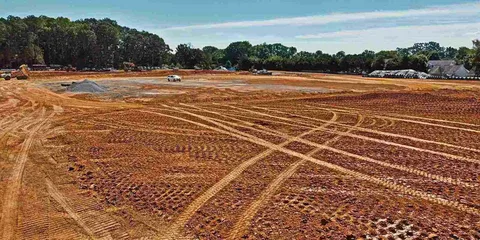
The condition of the ground beneath a parking lot has a direct influence on pavement performance. Even quality asphalt can develop problems when it is installed over loose soil, unstable ground, or an improperly prepared base. For this reason, site preparation should be treated as an essential stage of every new paving project.
Before construction, contractors evaluate the existing ground, identify unsuitable sections, and determine what preparation is required. Depending on the property, this work may involve removing unwanted material, shaping the site, establishing elevations, preparing the base, and compacting the ground. Each step helps create a suitable foundation for the planned pavement.
Evaluating Soil and Existing Ground Conditions
Different commercial properties can have different ground conditions. Some sites may contain areas of soft soil, while others may have uneven elevations or previously disturbed ground. These conditions should be identified before asphalt placement because they can affect the stability of the completed parking area.
Contractors should also review existing structures, underground utilities, property boundaries, and connections with nearby paved surfaces. This information helps determine how the work area can be prepared without creating unnecessary problems around the property.
Building a Stable Pavement Base
The base layer provides support for the asphalt surface and helps distribute vehicle loads across the prepared ground. Its construction should reflect the expected traffic, site conditions, and intended use of the parking area. Proper material placement and compaction are important because poorly prepared sections may settle under repeated vehicle movement.
A consistent base also helps establish a more uniform surface during asphalt installation. Contractors should inspect the prepared area before moving to the next construction stage to identify any soft spots, uneven sections, or other conditions requiring correction.
The Importance of Grading and Drainage
Water management is one of the most important considerations when planning a commercial parking area. Rainwater should move away from frequently used pavement rather than collecting in low spots or near building entrances. Poor drainage can contribute to surface deterioration, soil movement, and damage to the underlying pavement structure.
Grading establishes the slopes and elevations needed to direct water toward suitable drainage locations. During site preparation, contractors evaluate the existing ground and determine how the finished parking area should be shaped. The planned elevations must also work with surrounding sidewalks, curbs, entrances, and other structures.
Preventing Standing Water in Parking Areas
Standing water can create inconvenience for drivers and pedestrians while increasing moisture exposure around pavement cracks and damaged sections. Low areas should therefore be identified before construction, and the site should be prepared to support appropriate water movement.
Property owners should also consider how drainage will function around the entire facility rather than focusing on the parking surface alone. Roof runoff, nearby landscaping, adjoining roads, and existing drainage structures can all influence how water moves through a commercial property.
How Professional Grading Supports Paving
Proper grading services help establish a suitable surface profile before asphalt or concrete installation. The work may involve adjusting elevations, correcting uneven ground, shaping access areas, and preparing the site for the planned pavement thickness. These activities are particularly important for larger properties where multiple parking sections and driving lanes must connect smoothly.
The grading process should also account for the final asphalt elevation so that the completed pavement connects properly with curbs, sidewalks, entrances, and nearby surfaces. Careful coordination between grading and paving helps reduce abrupt transitions and drainage-related complications.
Selecting Asphalt for Commercial Parking Areas
Asphalt is commonly used for commercial parking lots because it creates a continuous driving surface suitable for regular vehicle movement. It can be installed across parking spaces, access lanes, private roads, and other areas where businesses need practical paved access. However, the construction approach should reflect the property’s expected traffic and site conditions rather than applying the same specifications to every project.
During commercial asphalt parking lot paving, contractors should consider the pavement area, expected vehicle loads, base preparation, drainage requirements, and connections with existing surfaces. A parking lot used mainly by passenger vehicles may have different requirements from a commercial facility that regularly accommodates delivery trucks and heavier vehicles.
Choosing the Appropriate Pavement Design
The pavement design should account for how frequently vehicles use the property and what types of loads the surface must support. Areas near loading docks, entrances, and turning points may experience different traffic demands from ordinary parking spaces. These locations should be considered during project planning so that the pavement design reflects actual site use.
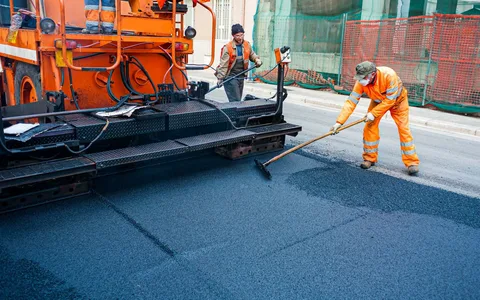
Material placement and compaction also influence the finished result. Asphalt should be distributed consistently across the prepared area, while the installation process should account for edges, transitions, and surface elevations. Proper compaction helps create a dense and uniform pavement surface that can support regular traffic.
Businesses comparing commercial asphalt paving options should also consider future maintenance requirements and the overall condition of their property. A suitable installation approach can help make the parking area easier to maintain while supporting its intended daily use.
Designing an Organized Parking Lot Layout
A parking lot should provide clear movement for both vehicles and pedestrians. Even when the pavement itself is properly installed, an unsuitable layout can create confusion around entrances, exits, parking spaces, and loading areas. Layout planning should therefore be completed before final paving and striping work begins.
The design should identify the location of parking stalls, driving lanes, pedestrian pathways, accessible spaces, loading areas, and other designated sections. These elements need to work together so that drivers can move through the property without unnecessary congestion.
Planning Parking Spaces and Driving Lanes
Parking spaces should be arranged according to the available property dimensions and the intended vehicle types. Driving lanes need sufficient room for vehicles to enter and leave parking spaces while maintaining convenient circulation throughout the site.
The location of entrances and exits should also be considered carefully. Poorly positioned access points can create traffic conflicts, especially on properties that receive regular customer or delivery traffic. A coordinated layout helps businesses use their available paved space more effectively.
Including Clear Pavement Markings
Once the asphalt surface is ready, pavement markings help identify parking spaces and guide traffic through the property. Parking lot striping may include parking stalls, directional arrows, loading zones, fire lanes, pedestrian crossings, and accessible parking spaces.
The markings should follow the planned layout and applicable accessibility requirements. Property owners should review the intended placement before painting begins to ensure that the finished arrangement supports the property’s daily operations.
Commercial Parking Lot Paving Requirements in Houston, TX
Commercial properties in Houston can have different paving requirements depending on their size, location, and daily traffic demands. Retail centers may need organized customer parking, while warehouses and industrial facilities may require larger access lanes and areas suitable for delivery vehicles. These differences make property-specific planning important when developing a new parking area.
Best concrete repair contractors in Houston, TX should pay attention to site preparation, ground stability, drainage, and the expected use of the finished surface. Houston’s weather conditions also make water management an important consideration during construction. Properly planned slopes and drainage arrangements help prevent water from collecting across frequently used paved areas.
The existing property layout should also be reviewed before construction begins. Contractors may need to consider building entrances, sidewalks, nearby roads, curbs, and existing utility structures when determining the finished pavement elevations. Coordinating these details helps create a parking area that connects naturally with the rest of the property.
Houston Asphalt and Concrete offers asphalt and concrete paving, grading, repair, resurfacing, and striping solutions for commercial and residential properties throughout the Houston area. Its approach considers the actual pavement condition, traffic demands, drainage, and site requirements before recommending suitable work.
Houston Asphalt and Concrete+2
Parking Lot Improvements for Businesses in Katy, TX
Businesses in Katy may need parking areas for retail properties, office buildings, commercial facilities, and other locations with regular vehicle activity. Each property has different space requirements, and the pavement should be planned according to how customers, employees, and service vehicles use the site.
Before starting construction, property owners should review the existing ground, drainage direction, available parking space, and traffic movement. These details help determine whether the site needs grading, new asphalt installation, localized repairs, or additional pavement improvements.
Expert parking lot striping in Katy, TX, the parking layout should be considered alongside the paving work. Parking stalls, directional markings, loading spaces, and accessible areas should be positioned according to the property’s intended use and applicable requirements. Coordinating these elements helps create a more organized commercial parking area.
The local property conditions should also influence the construction schedule and preparation process. Existing entrances, sidewalks, adjoining pavement, and building access points may require adjustments to accommodate the finished surface. A site-specific approach helps businesses plan improvements without overlooking important details.
Maintaining Commercial Asphalt Parking Lots
Installing a new parking area is an important investment, but regular maintenance is also necessary to keep the surface functional. Commercial parking lots experience repeated vehicle movement, exposure to sunlight, moisture, and everyday wear. Without appropriate maintenance, small pavement defects can gradually become more extensive.
An effective maintenance approach begins with periodic inspections. Property managers should examine the surface for cracks, potholes, depressions, damaged edges, and areas where water collects. Identifying these conditions early can help determine which repairs are needed before deterioration affects larger portions of the pavement.
Addressing Cracks and Surface Damage
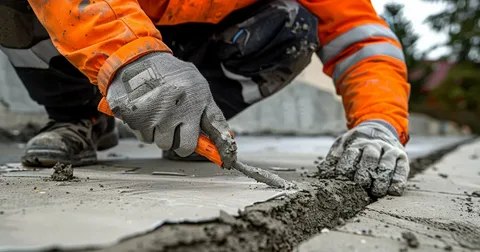
Cracks can develop when asphalt experiences repeated traffic, moisture exposure, or movement in the underlying ground. Small cracks should be evaluated to determine whether they need sealing or more extensive repair. Potholes and deteriorated sections may require localized removal and replacement rather than simple surface treatment.
Working with an experienced asphalt maintenance company can help property owners understand which maintenance methods are appropriate for their existing pavement. The recommended work should depend on the extent of damage, the stability of the base, and the intended use of the parking area.
Considering Seal Coating
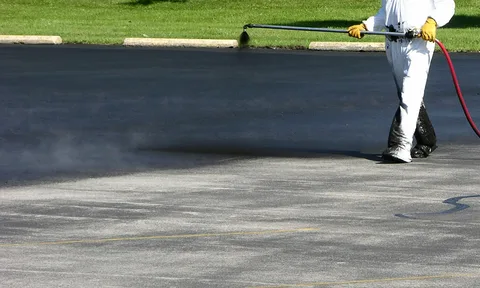
Seal coating can help protect suitable asphalt surfaces against oxidation, moisture, and routine exposure. It also improves the appearance of faded pavement by creating a darker and more consistent finish. However, it should be applied only after the existing surface has been evaluated and necessary repairs have been completed.
Seal coating is not a replacement for structural repairs, pothole removal, or corrections to serious drainage problems. Property owners should select maintenance treatments according to the actual condition of their parking lot rather than applying the same process to every surface.
Keeping Parking Markings Visible
Parking markings can become faded through regular vehicle movement and environmental exposure. Periodically reviewing the condition of these markings helps property managers determine when repainting is necessary. Clear pavement markings support organized parking arrangements and help visitors identify designated spaces and traffic routes.
Maintenance planning should consider both the asphalt surface and the markings installed on it. Addressing these elements together can help commercial properties maintain a cleaner and more functional parking environment.
Choosing the Right Contractor for a Commercial Paving Project
Selecting a suitable contractor is an important part of planning a new parking lot or upgrading an existing one. Property owners should look beyond the proposed surface material and understand how the contractor approaches site evaluation, preparation, installation, and finishing.
A professional contractor should review the property before recommending a construction method. This evaluation should consider ground conditions, pavement dimensions, expected vehicle loads, drainage patterns, access requirements, and the condition of surrounding surfaces. These details help establish a realistic project scope.
Evaluate the Construction Process
Before approving a project, property owners should understand the major stages involved in the work. These may include site preparation, grading, base construction, asphalt placement, compaction, and final surface finishing. Each stage contributes to the overall quality and functionality of the completed parking area.
Businesses should also discuss how construction will affect daily operations. Temporary access restrictions, delivery arrangements, customer parking, and employee movement may need to be addressed before work begins. A clear schedule helps everyone understand which areas will be unavailable during different stages of construction.
Review the Scope of Work
A detailed project scope helps property owners understand what is included in the proposed work. It should identify the pavement area, preparation requirements, expected construction activities, and any additional improvements such as drainage adjustments or striping.
It is also useful to discuss how unexpected site conditions will be handled. Existing pavement may contain hidden damage, or ground conditions may require additional preparation once construction begins. Understanding how these situations will be evaluated helps avoid confusion during the project.
Conclusion
A properly constructed parking area supports convenient access, organized vehicle movement, and the everyday operation of commercial properties. Achieving these results requires careful planning before asphalt installation, including site evaluation, grading, drainage preparation, base construction, material placement, and final finishing.
Businesses planning commercial asphalt parking lot paving should consider their property’s traffic demands, available space, ground conditions, and future maintenance requirements before selecting a construction approach. Regular inspections, timely repairs, and appropriate surface protection can also help maintain the condition of the finished pavement.
Houston Asphalt and Concrete provides asphalt paving, concrete paving and repair, grading, seal coating, overlays, and parking lot striping for residential and commercial properties. Whether you are developing a new parking area or improving an existing surface, the team can help evaluate your property’s requirements and discuss suitable pavement solutions. Contact the company to discuss your upcoming paving project in Houston, Katy, or nearby communities.