Asphalt driveways and parking lots face daily wear from vehicle traffic, changing weather, sunlight, and moisture. Over time, these conditions can weaken the pavement surface and create small cracks. Without proper maintenance, minor problems may develop into costly repairs. Regular pavement care helps property owners protect their investment and maintain a clean, professional appearance.
In Tomball, TX, asphalt surfaces experience hot summers, heavy rainfall, and changing temperatures. These conditions can affect pavement durability. Therefore, property owners should consider preventive maintenance before visible damage becomes widespread. Professional expert seal coating provides a protective layer that helps reduce surface exposure to moisture, sunlight, and everyday wear.
Houston Asphalt and Concrete helps property owners understand their pavement maintenance options. The right maintenance plan depends on the asphalt’s condition, traffic levels, drainage, and age. Furthermore, proper surface preparation and application play important roles in achieving reliable results.
Property owners in Spring, TX, can also benefit from a proactive approach to asphalt care. However, seal coating does not repair every pavement problem. Existing cracks, potholes, drainage issues, and structural damage may require separate repairs before applying a protective coating.
Understanding when and how to maintain asphalt makes it easier to plan repairs and manage long-term costs. With regular inspections and suitable maintenance, property owners can help preserve their pavement’s appearance, improve surface protection, and reduce avoidable deterioration.
Why Asphalt Pavement Needs Regular Maintenance
Asphalt provides a durable surface for residential driveways, commercial parking areas, and private roads. However, it gradually deteriorates when exposed to sunlight, water, vehicle fluids, and repeated traffic. Preventive maintenance helps slow this process and keeps pavement in better condition.
Common Causes of Asphalt Deterioration
Sunlight gradually oxidizes the asphalt binder that holds pavement materials together. As the binder ages, the surface may become brittle and more vulnerable to cracking. Additionally, water can enter existing cracks and weaken the pavement beneath the surface.
Heavy vehicles also contribute to wear. Repeated traffic places stress on the asphalt, especially in areas where vehicles turn, stop, or remain parked for long periods. Consequently, commercial parking lots may require more frequent inspections than lightly used residential driveways.
Property owners should watch for several warning signs:
- Fading from dark black to gray.
- Small cracks appear across the surface.
- Loose aggregate or rough pavement patches.
- Water collecting in low areas.
- Deterioration near driveway edges.
These signs do not always mean the entire surface needs replacement. In many cases, timely maintenance can help preserve pavement that remains structurally sound.
However, owners should not ignore deep cracks, widespread potholes, or sinking sections. These problems may indicate damage below the surface.
A professional inspection helps determine the appropriate solution. It also prevents property owners from spending money on treatments that cannot address the underlying problem.
How Professional Seal Coating Protects Asphalt
A protective coating helps shield suitable asphalt surfaces from several common sources of deterioration. It creates a surface layer that reduces direct exposure to sunlight, moisture, and certain contaminants. Nevertheless, its effectiveness depends on pavement condition, product selection, preparation, and application.
Choosing Reliable Seal Coating for Long-Term Protection
Reliable seal coating starts with an assessment of the existing pavement. Contractors should examine the surface for cracking, drainage problems, loose material, and previous treatments. This inspection helps establish whether the asphalt is ready for coating or needs repairs first.
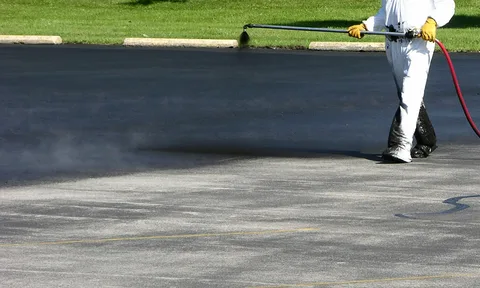
The process generally involves cleaning the surface, addressing suitable cracks, protecting surrounding areas, and applying the selected coating according to manufacturer instructions.
For better results, property owners should consider five practical points:
- Surface preparation: Remove dirt, leaves, loose debris, and other contaminants.
- Crack treatment: Repair appropriate cracks before applying the coating.
- Weather conditions: Choose suitable temperatures and dry conditions for application.
- Product selection: Use a coating designed for the pavement and intended traffic.
- Curing time: Keep vehicles off the surface for the recommended period.
Furthermore, contractors should explain the limitations of the treatment. Seal coating adds surface protection, but it does not strengthen a failing pavement foundation or correct poor drainage.
The coating also needs adequate time to cure. Driving across it too early may leave marks or damage the finish.
Therefore, property owners should follow the contractor’s instructions and avoid rushing the process. Careful preparation and realistic expectations help support a more durable result.
Benefits of Driveway and Parking Lot Seal Coating
Different asphalt surfaces face different demands. Residential driveways usually experience household vehicle traffic, while commercial parking lots may handle heavier vehicles and frequent turning movements. Both can benefit from maintenance when the underlying pavement remains in suitable condition.
Protecting Residential and Commercial Asphalt Surfaces
A well-maintained driveway improves the appearance of a property. Similarly, a clean parking lot can make a business more welcoming to customers and visitors.
Professional asphalt seal coating service can help maintain a consistent surface appearance while reducing exposure to environmental elements. However, the best maintenance schedule depends on traffic, climate, drainage, and the condition of the asphalt.
Property owners should evaluate five practical considerations:
- Driveway condition: Check for fading, minor cracks, and surface wear.
- Parking lot traffic: Identify areas exposed to repeated turning and braking.
- Drainage performance: Make sure water flows away instead of collecting.
- Existing damage: Repair potholes and unsuitable pavement before coating.
- Maintenance history: Review previous applications and recommended intervals.
Additionally, driveway seal coating can help residential owners maintain an attractive entrance without immediately replacing otherwise serviceable asphalt.
Commercial properties may require a different plan. For example, busy entrances and delivery areas can deteriorate faster than lightly used parking spaces. Contractors should account for these differences when recommending maintenance.
Ultimately, maintenance works best when it forms part of a broader pavement care plan. Regular inspections, prompt repairs, and proper drainage help support the benefits of surface treatments.
Preparing Asphalt for a Successful Coating
Preparation plays a major role in the performance of an asphalt coating. Even a suitable product may fail to adhere properly when contractors apply it over dust, standing water, oil, or loose material. Therefore, a thorough inspection and cleaning process should come before application.
Five Steps to Prepare Your Pavement
Property owners can improve project planning by understanding what proper preparation involves.
Inspect the pavement: First, identify cracks, potholes, worn areas, and drainage concerns. These observations help determine which repairs the surface needs.
Clean the area: Next, remove leaves, dirt, loose aggregate, and other debris. Contractors may use appropriate equipment to prepare the surface for better adhesion.
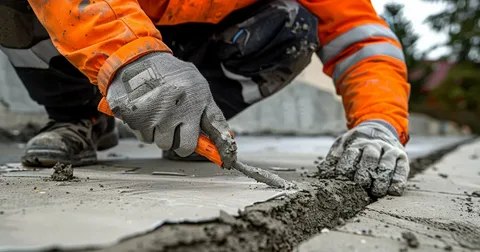
Address existing damage: Repair suitable cracks and potholes before coating. However, extensive structural damage may require more substantial repairs.
Protect nearby surfaces: Contractors should protect adjacent concrete, landscaping, garage doors, and other areas from unwanted coating.
Check weather conditions: Finally, confirm that temperatures and moisture levels meet the product manufacturer’s requirements.
These steps help reduce application problems and improve the finished appearance. Moreover, proper preparation can prevent premature peeling and uneven coverage.
Houston Asphalt and Concrete can help property owners evaluate pavement maintenance needs and determine which services suit their surfaces.
Property owners should also ask about the coating product, preparation methods, expected curing time, and maintenance recommendations. Clear answers make it easier to compare proposals and understand the work involved.
Additionally, owners should confirm how contractors will handle existing cracks and damaged sections. A coating should not hide unresolved problems that may continue to worsen underneath.
Careful planning helps property owners make informed decisions and avoid unnecessary expenses.
Maintaining Asphalt After Seal Coating
Applying a protective coating is only one part of pavement maintenance. Regular care helps preserve the surface and identify problems before they become more expensive. Although a coating can reduce exposure to certain damaging elements, it cannot eliminate normal wear.
Practical Ways to Extend Pavement Life
After the application, property owners should follow the contractor’s instructions for curing and reopening the area. The required waiting period varies according to the product, weather, and site conditions.
Five practical habits can help maintain the pavement:
- Respect curing time: Keep vehicles and foot traffic away until the surface is ready.
- Clean spills promptly: Remove oil and fuel using suitable cleaning methods.
- Inspect regularly: Look for new cracks, loose material, and drainage problems.
- Control water runoff: Keep drainage paths clear and address standing water.
- Repair damage early: Arrange appropriate repairs when problems first appear.
Additionally, parking lot seal coating in Spring, TX should fit into a wider commercial maintenance plan. Businesses can schedule inspections during quieter periods and address worn areas before they affect parking access.
Residential owners should also check driveway edges and areas near downspouts. Water that repeatedly collects in the same location may signal a drainage issue that coating alone cannot solve.
A maintenance record can make future decisions easier. Keep notes about application dates, repairs, products used, and contractor recommendations.
Finally, avoid applying additional coatings simply because the surface looks faded. Excessive buildup may cause problems, and not every pavement needs another application at the same interval.
A professional assessment can help establish an appropriate maintenance schedule based on actual surface conditions.
Conclusion
Asphalt pavement represents a significant investment for homeowners and commercial property owners. Regular maintenance helps protect that investment by addressing minor problems before they become larger concerns. However, every surface has different needs, so property owners should base their decisions on pavement condition rather than appearance alone.
Professional seal coating can help protect suitable asphalt from sunlight, moisture, and everyday wear. It can also improve surface appearance and support a practical preventive maintenance plan. Nevertheless, the treatment works best when contractors prepare the pavement properly, repair existing damage, and apply the product under suitable conditions.
Property owners should also understand the difference between surface protection and structural repair. Deep cracks, potholes, sinking areas, and drainage problems may require additional work before any coating begins.
For property owners seeking reliable driveway seal coating in Tomball, TX, a professional pavement assessment can clarify the available options. The same approach can help property owners in Spring, TX, plan maintenance according to traffic levels, weather exposure, and the condition of their asphalt.
Houston Asphalt and Concrete can help property owners evaluate their pavement concerns and understand appropriate maintenance solutions. Before starting a project, ask about surface preparation, repair requirements, product selection, and curing time.
Ultimately, consistent inspections and timely repairs provide a sensible foundation for long-term pavement care. By understanding the benefits and limitations of asphalt maintenance, property owners can make informed choices, manage maintenance costs, and keep their driveways and parking areas in better condition.
FAQs
What is seal coating used for?
Seal coating adds a protective layer to suitable asphalt surfaces. It helps reduce exposure to sunlight, moisture, and certain contaminants while improving pavement appearance.
How often should asphalt receive a protective coating?
Many surfaces benefit from evaluation every few years, but the ideal schedule depends on traffic, weather, pavement condition, and product recommendations.
Can seal coating repair existing cracks?
No. Contractors should repair suitable cracks before applying a coating. Deep cracks and structural damage may require more extensive repairs.
How long should I wait before driving on freshly coated asphalt?
Follow the contractor’s instructions and the product manufacturer’s guidance. Drying and curing times vary with weather, temperature, and the coating used.
Can commercial parking lots benefit from asphalt maintenance?
Yes. Properly maintained parking lots can retain a cleaner appearance and receive added surface protection. However, damaged pavement may need repairs before coating.